English
 Arabic
 French
 Spanish
 Portuguese
 Deutsch
 Turkish
 Dutch
Dutch
 Italiano
 Russian
 Romaian
 Portuguese (Brazil)
 Greek
Greek

Top Advantages of Choosing a High-Quality Industrial Shed for Your Business
Other |
2026-04-13 07:34:19
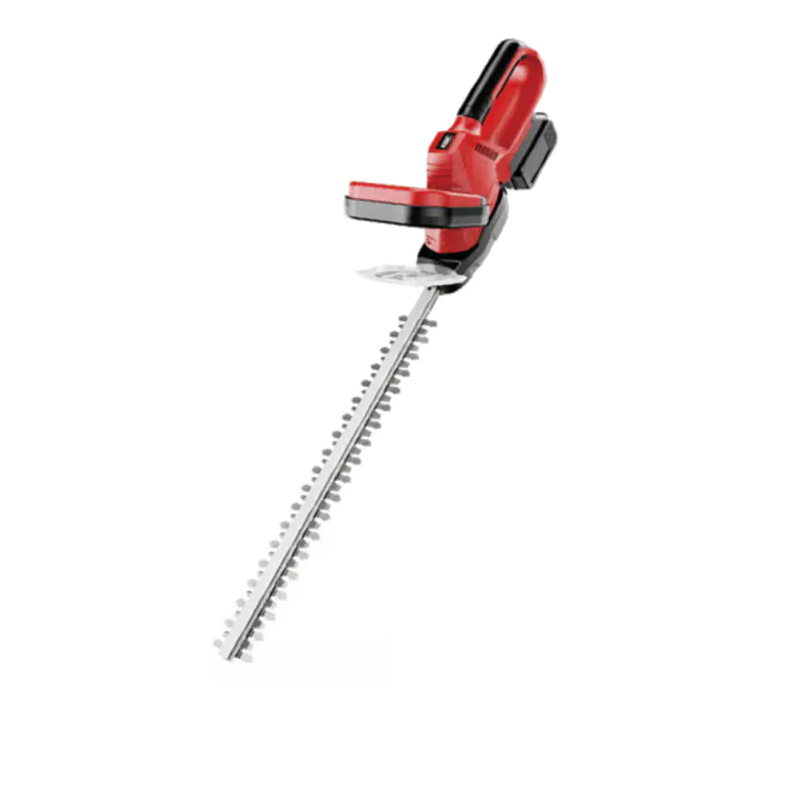
Buying a hedge machine is one of those decisions that feels simple until you are standing in front of a wall of options, each one promising a tidier garden and a more rewarding Saturday morning. The truth is, there is no universal answer — only the right answer for your specific situation.
Start by honestly assessing your property. A small urban garden with a few boxwood shrubs is a completely different proposition from a rural property with 200 meters of mixed hedging along a driveway. The scale of the job determines the type of hedge trimmer that will actually serve you well over time, not just on the first enthusiastic use.
Cordless hedge trimmers powered by lithium-ion batteries have become genuinely capable tools. Modern battery platforms deliver enough cutting power to handle most domestic hedging jobs, and the freedom from a trailing cord — or a fuel can — makes them pleasant to work with. Battery life has improved markedly; many models now offer 45 to 60 minutes of runtime on a single charge, which covers the average garden hedge comfortably. The tradeoff is that long, uninterrupted sessions on dense, thick-stemmed hedges can drain a battery faster than expected.
Gas-powered hedge trimmers bring raw cutting authority and unlimited runtime to the table. They are heavier and louder, and they require more maintenance — spark plugs, air filters, fresh fuel. But for professional landscapers or homeowners with truly demanding hedging tasks, that trade is often worthwhile. The engine note of a gas hedge trimmer at full throttle is not subtle, but it gets the work done.
Beyond power source, pay attention to weight and balance. A hedge machine that feels comfortable for two minutes in a showroom may feel brutally heavy after twenty minutes of overhead cutting. If possible, hold it, swing it gently, and imagine cutting a six-foot hedge with it. Your arms will thank you for the foresight.