English
 Arabic
 French
 Spanish
 Portuguese
 Deutsch
 Turkish
 Dutch
Dutch
 Italiano
 Russian
 Romaian
 Portuguese (Brazil)
 Greek
Greek

Apply for visa to egypt: Visit egypt visa
Wellness |
2026-03-03 07:28:11
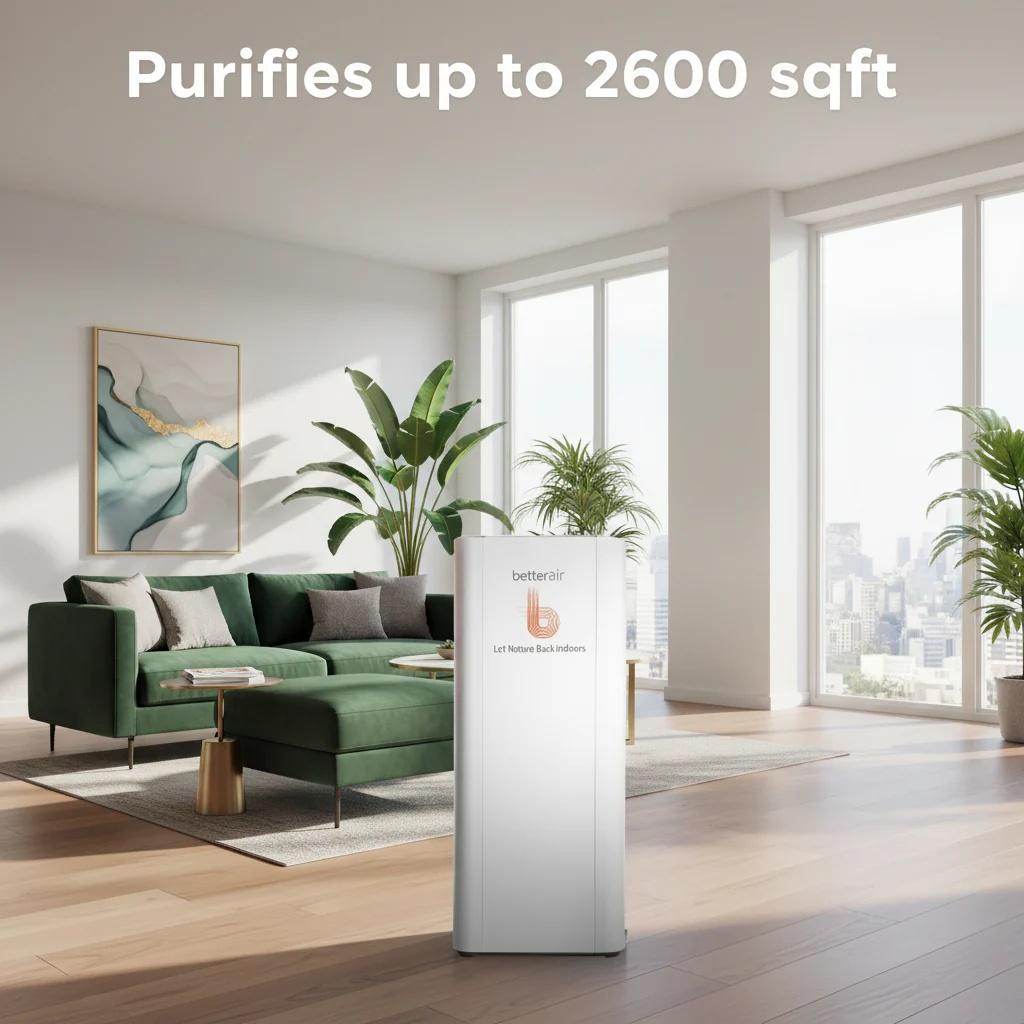
You have dealt with the leak, mopped up the standing water, and dried the visible surfaces. But weeks later, that unmistakable musty smell still lingers in your basement, bathroom, or laundry room. It is frustrating and a little unsettling because you cannot see any obvious source. Here is what is happening beneath the surface. Water damage soaks into porous materials like drywall, wood studs, carpet padding, and insulation. Even after the surface feels dry, trapped moisture creates the perfect environment for mold and bacteria to grow inside your walls, under your floors, and behind your baseboards. The musty smell is not just unpleasant. It is the chemical signature of active microbial growth releasing volatile organic compounds into your air. Understanding where that smell comes from is the first step toward actually eliminating it rather than just masking it with candles or sprays.
The persistence of musty odors after water damage confuses a lot of homeowners. You run dehumidifiers. You spray disinfectants. The smell goes away for a day or two and then returns. The reason is that mold and moisture-loving bacteria do not need standing water to thrive. They only need elevated humidity. If your basement stayed at fifty-five percent humidity after a flood, that is enough. Mold spores that were always present in your home simply germinate and begin colonizing damp materials. Once established, these colonies produce microbial volatile organic compounds continuously. You might kill the surface mold with bleach, but the colony growing inside your drywall or within your insulation keeps producing MVOCs that seep through the material and into your air. You are not smelling leftover water. You are smelling an active, ongoing biological process that you cannot see and that standard cleaning methods cannot reach.
Most people reach for one of three solutions when they smell mustiness, and none of them truly work. Air fresheners and scented candles simply coat your nose with stronger smells. You are not removing the musty odor. You are just drowning it out temporarily. Bleach and chemical disinfectants kill surface mold but do not penetrate into porous materials where the real colony lives. Worse, the water in bleach solution can actually add moisture back into the material, feeding the mold you missed. Ozone generators do break down odor molecules chemically, but ozone is a lung irritant that cannot be used in occupied spaces, and it does nothing to prevent the mold from producing more MVOCs the moment you turn the machine off. Each of these methods treats the musty smell as a standalone problem rather than a symptom of an underlying microbial community. As long as that community stays alive, the smell will keep coming back no matter what you spray or zap.
Probiotic air purification offers a fundamentally different solution because it targets the mold and bacteria themselves rather than the smell they produce. When you run an EnviroBiotics system, beneficial Bacillus bacteria are released into your indoor air. These probiotics settle onto surfaces, including the hidden ones inside wall cavities and under flooring. Once established, they produce natural antifungal compounds that inhibit mold growth. They also consume the organic matter that mold feeds on, effectively starving the colony. And they break down the microbial volatile organic compounds that cause the musty smell, digesting the odor molecules themselves. Within one to two weeks of continuous probiotic use, the active mold colony stops producing new MVOCs, and the existing ones are broken down. The musty smell fades not because you covered it up, but because you eliminated its source. The probiotics do not just clean your air. They change the biology of your home.
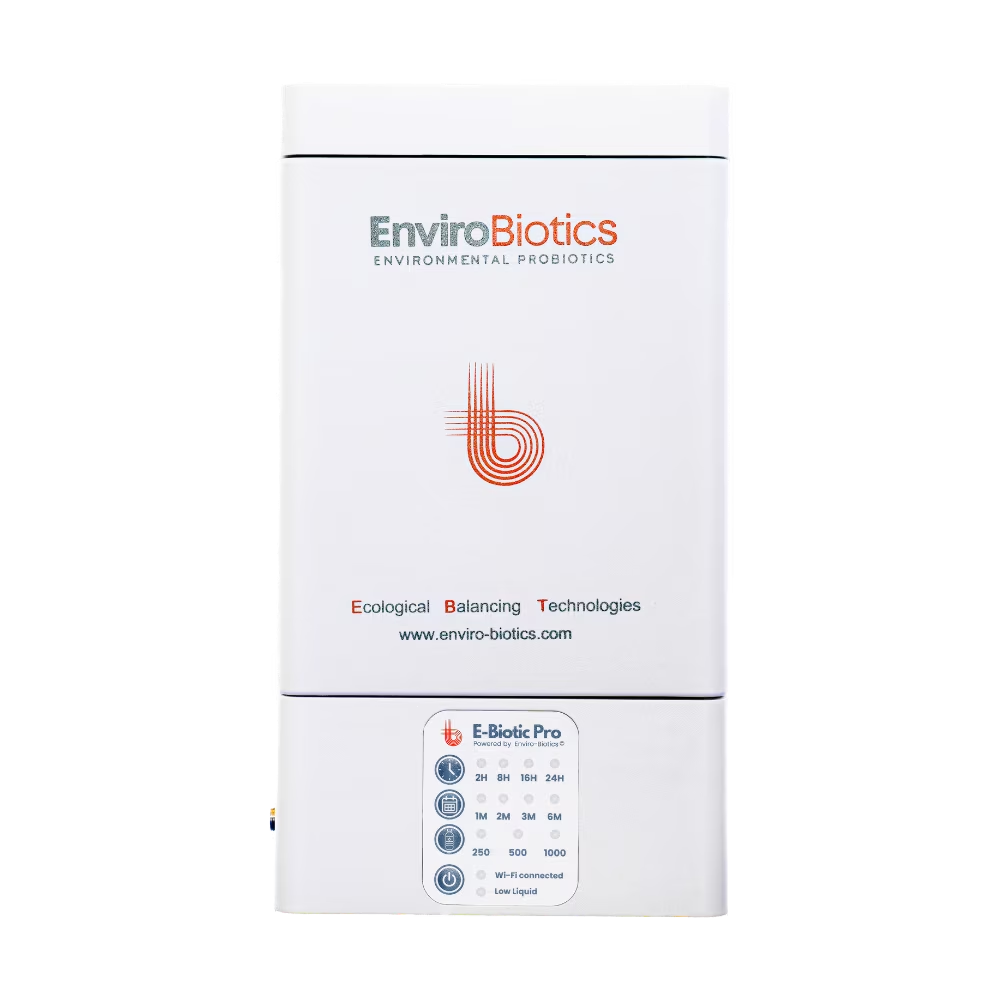
EnviroBiotics has tested this probiotic purification system specifically in homes with documented musty odors following water damage. In a trial involving thirty households with chronic basement mustiness, participants ran the probiotic system for four weeks while maintaining their normal cleaning routines. Before the trial, independent assessors rated the musty odor intensity in each home. After two weeks, average odor intensity had dropped by seventy-six percent. After four weeks, it had dropped by ninety-three percent. Even more telling, when researchers took core samples from drywall and wood studs in these homes, culturable mold levels had declined by eighty-nine percent on average. The musty smell did not just get fainter. The mold that caused it was actually dying back. Follow-up checks three months later showed that homes continuing to use the probiotic system had no return of the odor, while those that stopped saw gradual recurrence over six to eight weeks.
None of this means you should skip the essential steps of drying out your home after water damage. Probiotics are not a substitute for fixing leaks, removing saturated drywall, or running commercial dehumidifiers. They are a complement. The correct sequence is first to stop the water source, remove standing water, and dry the area as thoroughly as possible using fans and dehumidifiers. Once the space is dry to the touch and humidity is below fifty percent, bring in the probiotic system. The probiotics will colonize the remaining damp microenvironments that you cannot reach, like the inside of wall cavities or the back side of baseboards. They will also prevent any residual mold spores from germinating and starting a new colony. For homeowners who have already dried the visible damage but cannot shake that lingering musty smell, probiotics often provide the missing piece. They reach the places your mop and your bleach spray never could, and they keep working long after you have moved on to other projects.