Creating a non-toxic home is about more than just buying organic cotton sheets and swapping out plastic containers for glass. It is a comprehensive approach that considers everything from the cleaning products you use to the furniture you bring in to the very air you breathe. But with so many factors to consider, it is easy to feel overwhelmed. Where do you even start? The non-toxic home checklist is a practical tool that breaks down this complex goal into manageable steps. It helps you prioritize the most impactful changes first, avoid common greenwashing traps, and build a home that genuinely supports your family's health. Within this checklist, probiotic air purification occupies a unique and increasingly important position. It is not a replacement for good ventilation or natural cleaning, but it addresses a gap that those other strategies miss. Surface-level biological contamination.
Ventilation and Humidity Control First
Before you buy any device or switch any product, address the fundamentals. Ventilation and humidity are the bedrock of a non-toxic home. Open your windows for ten to fifteen minutes daily, even in winter, to flush out accumulated volatile organic compounds and carbon dioxide. In rooms without windows, use exhaust fans. Measure your indoor humidity with a ten dollar meter. Keep it between thirty and fifty percent. Above sixty percent, mold and dust mites thrive. Below thirty percent, your respiratory passages dry out, and viruses survive longer on surfaces. Use dehumidifiers in damp basements and bathrooms. Use humidifiers in dry winter air, but clean them weekly to prevent bacterial growth. These steps cost little to nothing and have immediate, measurable effects on your indoor air quality. They are the foundation upon which everything else is built. Skip them, and no air purifier or cleaning product will fully compensate.
Natural Cleaning Products Over Chemical Disinfectants
The cleaning products under your sink are a major source of indoor chemical exposure. Many conventional sprays, wipes, and detergents contain volatile organic compounds, phthalates, and synthetic fragrances that linger in your air for hours after use. Switch to natural alternatives. White vinegar diluted with water cleans glass, disinfects surfaces, and removes odors. Baking soda scrubs sinks and neutralizes smells. Castile soap mixed with water handles most routine cleaning. Oxygen bleach, made from sodium percarbonate, whitens laundry and cleans grout. These ingredients cost pennies, work effectively, and leave no toxic residues. Reserve harsh disinfectants for situations where someone in the home is actually sick or raw meat has spilled. For everyday cleaning, soap and water or vinegar are sufficient. You are not sacrificing cleanliness. You are choosing a cleaner kind of clean.
Low-VOC Furniture and Building Materials
Many of the most toxic chemicals in your home are not in your cleaning products. They are in your furniture, flooring, paint, and mattresses. Pressed wood products like particle board and MDF off-gas formaldehyde for years. Vinyl flooring releases phthalates. Stain-resistant treatments on upholstery contain perfluorinated chemicals. Flame retardants in foam furniture have been linked to hormonal disruption and developmental delays. When it is time to replace an item, choose low-VOC alternatives. Solid wood furniture. Natural fiber carpets and rugs. Low-VOC or zero-VOC paint. Mattresses made from organic cotton, wool, or natural latex. These options cost more upfront, but they pay dividends in reduced chemical exposure over the years you live with them. For existing furniture, increase ventilation and consider an activated carbon air filter to adsorb off-gassing chemicals.
Mechanical Filtration for Particles
Even in a well-ventilated, naturally cleaned home, there will still be airborne particles. Dust, pollen, pet dander, and smoke particles are not removed by ventilation or natural air purifier alone. This is where mechanical filtration comes in. A HEPA air purifier in your bedroom can capture these particles, providing a clean air bubble while you sleep. A vacuum with a HEPA bag prevents the fine particles from being exhausted back into your room. Choose a HEPA purifier sized appropriately for your room. Look for units with washable pre-filters to extend the life of the main HEPA filter. Replace the HEPA filter when the manufacturer recommends, usually every six to twelve months. Mechanical filtration is not a replacement for source control, but it is an effective supplement. It addresses the particles that remain despite your best efforts to keep them out.
Probiotic Purification for Surface Biological Balance
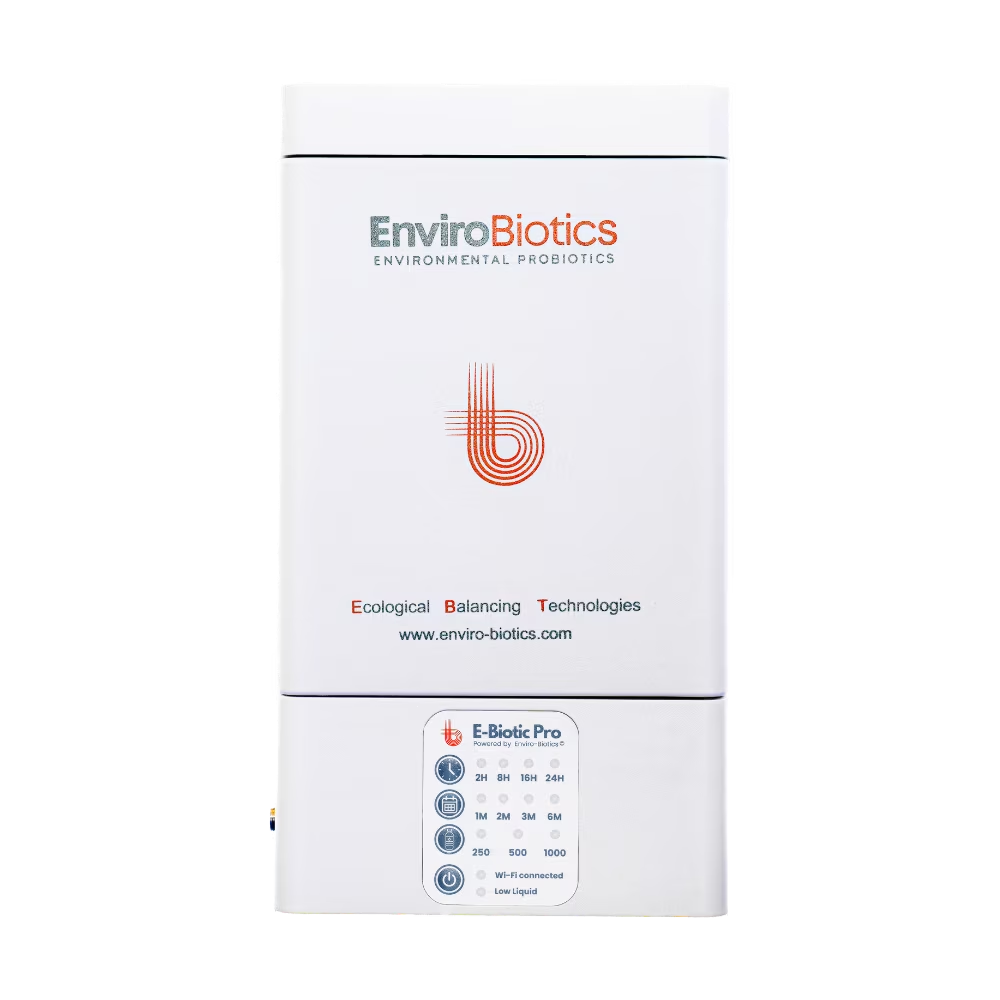
Here is where probiotic air purification fits into the non-toxic home checklist. After you have addressed ventilation, humidity, cleaning products, materials, and particle filtration, you are left with one remaining category. Surface-level biological contamination. Mold colonies growing on window sills and inside wall cavities. Bacteria multiplying on kitchen counters and bathroom tiles. Dust mites thriving in carpets and bedding. HEPA filters do nothing about these. Natural cleaning products suppress them temporarily but do not prevent regrowth. Probiotic systems close this gap. They release beneficial Bacillus bacteria that colonize your surfaces and actively outcompete harmful microbes. The probiotics consume the organic debris that mold and mites feed on. They produce natural antimicrobial compounds that inhibit pathogens. They create a living barrier that works continuously, without chemicals or toxic residues. For homeowners who have done everything else right but still struggle with musty smells, mold regrowth, or unexplained allergies, probiotic purification is often the missing piece.
Putting It All Together into a Coherent Strategy
The non-toxic home is not achieved by any single product or practice. It is the result of a coherent, layered strategy. Start with ventilation and humidity control. They are free or cheap and address multiple problems at once. Switch to natural cleaning products and low-VOC materials. They reduce your ongoing chemical exposure without sacrificing effectiveness. Add mechanical filtration for airborne particles, especially in bedrooms. Finally, consider probiotic purification for surface-level biological management. This is the order of operations. Do not buy a probiotic system while ignoring a leaky pipe that is feeding mold growth. Do not invest in expensive HEPA filters while using bleach sprays that irritate your family's lungs. Each layer builds on the one before it. Together, they create a home that is genuinely non-toxic, not just by the standards of marketing claims, but by the evidence of how you actually feel when you walk through the door. You do not need to do everything at once. But you do need to do the right things in the right order. Probiotic purification has its place, and that place is after the fundamentals are solid. Once they are, it may be the final step that takes your home from clean to truly health.
 English
 Arabic
 French
 Spanish
 Portuguese
 Deutsch
 Turkish
 Dutch
Dutch
 Italiano
 Russian
 Romaian
 Portuguese (Brazil)
 Greek
Greek