English
 Arabic
 French
 Spanish
 Portuguese
 Deutsch
 Turkish
 Dutch
Dutch
 Italiano
 Russian
 Romaian
 Portuguese (Brazil)
 Greek
Greek

Tendonitis Treatment Market to Reach USD 284 Billion by 2033 at 3.27% CAGR
Other |
2026-01-16 05:44:14
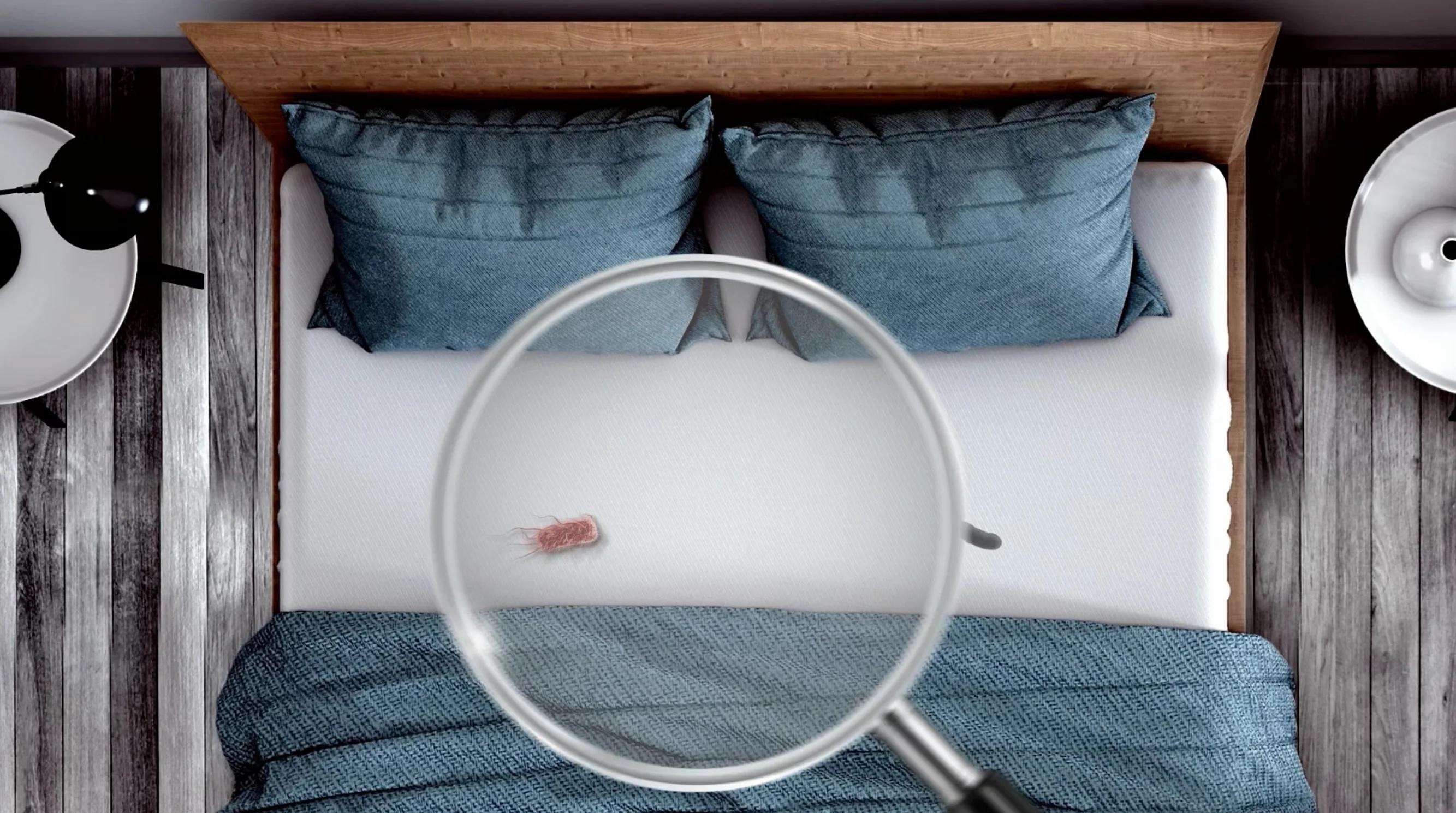
You have tried the scented candles. You have sprayed the air fresheners. You have even run a dehumidifier until the air feels almost dry. But that musty smell keeps coming back, lurking in the basement, drifting out of closets, or hanging in the air of that one room that never feels quite right. The frustration is real because you are treating the symptom rather than the cause. A musty smell is not an odor problem. It is a microbial problem. That earthy, stale scent is the chemical signature of mold and bacteria actively growing somewhere in your home. Until you address the growth itself, no amount of masking or temporary drying will solve the issue permanently. The good news is that permanent removal is absolutely achievable. It just requires a systematic approach that targets the biology behind the smell rather than just the smell itself.
Before you do anything else, you need to become a detective in your own home. A musty smell means moisture, and moisture means a source. Check every possible culprit. Leaky pipes under sinks. Condensation on windows or concrete walls. A slow drip from a shower valve inside the wall. A refrigerator drip pan that has never been cleaned. A washing machine seal that stays damp. A crawl space with no vapor barrier. An attic with poor ventilation. I once helped a friend track a persistent musty smell in her living room to a houseplant that she was overwatering. The saucer underneath had been holding stagnant water for months. The point is that the moisture source is often small and easily overlooked. Walk through your home with a flashlight and a notepad. Look in corners, behind furniture, under sinks, and inside appliances. Feel walls for cool spots that might indicate hidden dampness. Fix every leak, seal every condensation point, and redirect every source of unwanted water. No probiotic or air purifier can outcompete a steady supply of moisture. Stop the water, and you stop the foundation of the problem.
Once the moisture source is fixed, you must deal with the materials that have already been contaminated. Here is where many homeowners go wrong. They assume that drying out a material kills the mold living inside it. It does not. Mold spores can remain viable for years in dry conditions, waiting for the next hint of humidity to spring back to life. Porous materials that have been significantly wetted and have developed a musty smell usually need to go. This includes drywall that has wicked up water from a floor leak, carpet padding that got soaked, upholstered furniture that was in a damp basement, and insulation that got wet. I know it hurts to throw away a rug or cut out a section of drywall. But keeping contaminated materials is like keeping a mold factory in your home. The musty smell will return every time humidity rises because the mold colony is still there, dormant but alive. Replace these materials with mold-resistant alternatives. Green drywall for bathrooms. Wool carpet padding treated with boric acid. Rigid foam insulation instead of fiberglass. The upfront cost is real, but the long-term relief from musty smells is worth every penny.
For hard surfaces that you are keeping, such as tile, concrete, sealed wood, and metal, a deep cleaning is essential. But skip the bleach. Bleach is actually a poor choice for porous surfaces because its active ingredient, chlorine, evaporates too quickly to penetrate and kill mold roots. It also adds moisture to the surface, which can temporarily make the problem worse. Instead, use white distilled vinegar, which kills about eighty-two percent of mold species, or a borax solution of one cup of borax per gallon of water. For stubborn cases, hydrogen peroxide at three percent concentration is effective and breaks down into water and oxygen. Scrub thoroughly, let the cleaner sit for ten to fifteen minutes, and then wipe dry. Pay special attention to grout lines, window seals, and corners. After cleaning, dry the area completely with fans or a dehumidifier. You want surfaces not just clean but genuinely dry to the touch before you proceed to the next step.
With the moisture source fixed, contaminated materials removed, and surfaces cleaned, you now need to prevent the problem from ever returning. That means controlling humidity. Mold and odor-causing bacteria cannot grow when relative humidity stays below fifty percent. A good dehumidifier, sized appropriately for your space, should run continuously until you achieve that level. In basements and crawl spaces, you may need to run it year-round. In the rest of the house, focus on bathrooms after showers, the kitchen while cooking, and any room that feels damp. Empty the water collection bucket daily, or better yet, connect the dehumidifier to a drain so you never have to think about it. Pair the dehumidifier with exhaust fans that vent to the outside, not into your attic. And consider a humidity meter, which costs about ten dollars, so you can actually measure your progress. You cannot manage what you do not measure, and humidity is the single most important factor in permanent musty smell prevention.
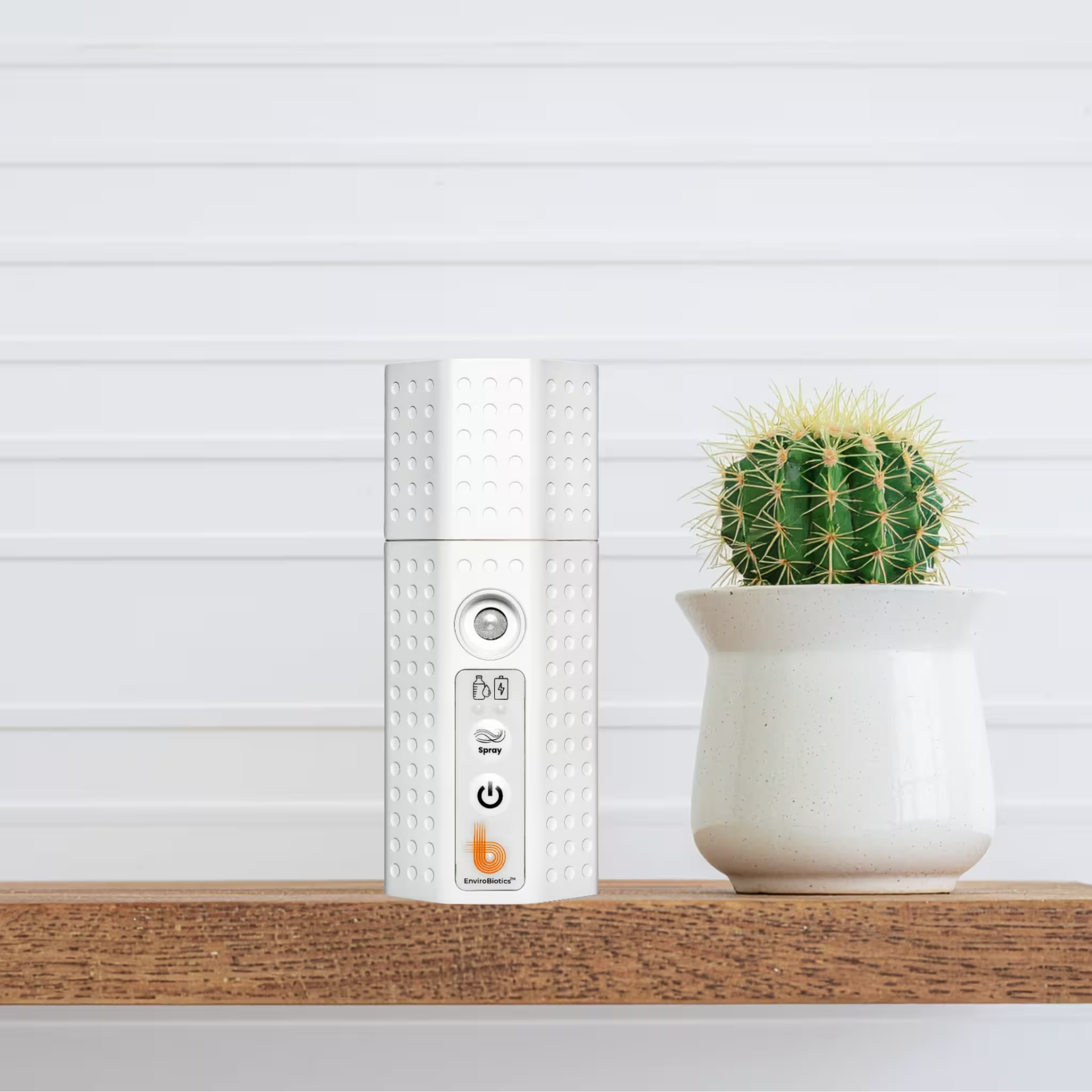
Even after you have done everything right, there will always be some mold spores and bacteria in your home. They come in on your shoes, through your windows, and on your pets. The difference between a home that stays fresh and one that relapses into mustiness is whether those incoming microbes find a welcoming environment. This is where probiotic air purification offers a permanent solution rather than a temporary fix. EnviroBiotics systems release beneficial Bacillus bacteria that colonize your surfaces and actively suppress mold and odor-causing bacteria. These probiotics produce natural antifungal compounds, consume the food that mold needs, and create an ecological barrier against new growth. Once established, the probiotic colony works around the clock, with no effort from you beyond changing a cartridge every few months. In clinical trials, homes using probiotic purification after remediation saw no return of musty smells even after six months, while homes that relied on dehumidifiers alone had a forty percent recurrence rate. The probiotics do not replace moisture control or cleaning. They add a final, living layer of defense that keeps your hard work from unraveling over time.