English
 Arabic
 French
 Spanish
 Portuguese
 Deutsch
 Turkish
 Dutch
Dutch
 Italiano
 Russian
 Romaian
 Portuguese (Brazil)
 Greek
Greek

Cement and Concrete Additives Market Opportunities Emerging in Green Building Applications
Other |
2026-04-16 11:31:05
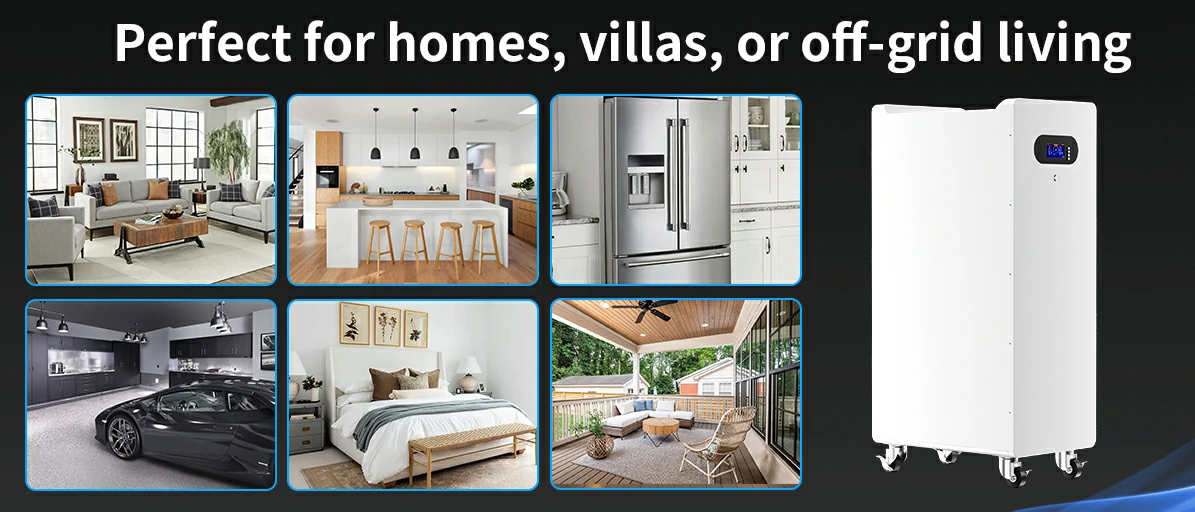
When the grid goes down, having a reliable home energy backup system isn’t just a convenience—it’s peace of mind. Among the various sizes available, the 16kWh battery solution has emerged as a sweet spot for many households. It’s large enough to keep critical appliances running for a full day or more, yet not so massive that it becomes financially out of reach. A 16kWh system typically pairs beautifully with solar panels, allowing you to store excess daytime energy for nighttime use or emergency outages. But with so many brands and technologies on the market, how do you pick the right one? Let’s walk through the best options and what makes each shine for home backup.
If you’ve been shopping for home batteries lately, you’ve probably noticed that Lithium Iron Phosphate (LiFePO4) chemistry is everywhere—and for good reason. Unlike older lithium-ion chemistries, LiFePO4 offers exceptional thermal stability, meaning it’s far less likely to overheat or catch fire. For a 16kWh system that sits in your garage or basement, safety is non-negotiable. Brands like EG4, SOK, and Pylontech have built reputations on LiFePO4 cells that reliably deliver thousands of charge cycles. Most of these batteries come with built-in Battery Management Systems (BMS) that monitor temperature, voltage, and current, automatically shutting down if something goes wrong. For homeowners seeking longevity, LiFePO4 typically offers 6,000 to 8,000 cycles at 80% depth of discharge, which translates to 15 to 20 years of daily use.
Before diving deeper, let’s address the elephant in the room: Tesla’s Powerwall 2 offers 13.5kWh, not 16kWh. So why mention it? Because many homeowners compare systems in this general capacity range. While it’s slightly smaller, the Powerwall remains a gold standard for integration and software. Tesla’s app gives you real-time control, storm watch features that automatically charge before predicted outages, and seamless solar pairing. However, if your heart is set on a true 16kWh system, you’ll need to look elsewhere or consider pairing two smaller units. That said, some installers offer “stacked” Powerwall configurations that exceed 16kWh, but that pushes costs higher. For those willing to trade 2.5kWh for proven reliability and slick user experience, the Powerwall is worth a look—just know you’re paying a premium for the brand name.
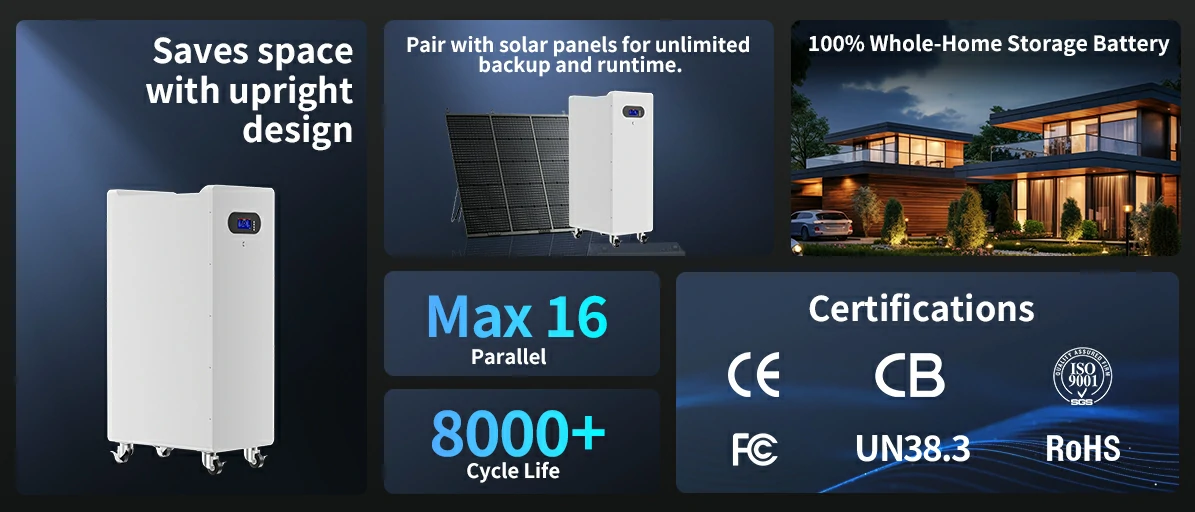
For budget-conscious homeowners who don’t want to sacrifice quality, EG4 has become a household name in the DIY and professional solar communities. Their 16kWh solution typically comes in the form of two 48V server-rack batteries, each rated at around 5.12kWh, combined for a total of 10.24kWh, meaning you’d actually need three units to cross 15kWh. Wait—that’s not 16kWh exactly. Here’s the nuance: true 16kWh all-in-one units are rarer than modular setups. Many installers achieve 16kWh by connecting three 5.12kWh EG4-LL batteries, giving you 15.36kWh (close enough for most practical purposes). The EG4-LL series features a sleek LCD screen, heating pads for cold climates, and compatibility with popular inverters like Sol-Ark and Growatt. With a cycle life of 8,000 cycles at 80% depth of discharge, these batteries are workhorses. The modular approach also means you can start smaller and expand later, which is a huge plus for growing families or changing energy needs.
If your home has limited floor space but plenty of vertical room, the HomeGrid Stack’d series offers a clever 16kWh configuration. These batteries are designed to stack vertically like building blocks, with each “Stack’d” module providing around 2.9kWh. Six modules get you to approximately 17.4kWh, slightly above your target. The genius here is the tool-free assembly and built-in wireless communication between modules, so you can add capacity in just minutes without rewiring. HomeGrid uses LiFePO4 chemistry with a claimed 10,000-cycle lifespan, which is among the highest in the industry. Their companion app gives you per-module diagnostics, so you can spot a weak cell before it becomes a problem. The downside? The Stack’d system is pricier than EG4, and availability can be spotty depending on your region. But for renters or those who may move, the modular, non-permanent installation is a unique selling point.
For homeowners who want an all-in-one system that includes the inverter and battery management in a single elegant unit, Bluetti’s EP900 paired with B500 battery packs delivers a clean 16kWh solution. Specifically, four B500 packs (each 4kWh) combine for exactly 16kWh. What makes Bluetti stand out is the “home backup as an appliance” approach—no complicated wiring between separate batteries and inverters. The EP900 inverter handles up to 9kW of continuous power, meaning you can run a well pump, refrigerator, several lights, and even a small air conditioner simultaneously during an outage. The system supports grid-tied, off-grid, and hybrid modes, with a transfer switch that activates in under 20 milliseconds—fast enough that most lights won’t even flicker. At around 8,000to10,000 for the full 16kWh setup, it’s mid-range in price, but the installation is simplified enough that a handy homeowner could manage it with basic electrical knowledge.
Before you swipe your credit card, take a moment to assess your real-world needs. A 16kwh battery will run a modern refrigerator for about three to four days, but toss in a sump pump, furnace fan, and home office equipment, and you’re looking at 24 to 36 hours of runtime. Ask yourself: what absolutely must stay on during an outage? If the answer includes central air conditioning or an electric stove, 16kWh may drain in just four to six hours. Also consider your inverter’s peak power rating—a 16kWh battery is useless if your inverter can’t deliver enough watts to start your well pump or garage door opener. Finally, check your utility’s net metering policies and any local fire codes regarding battery placement. Some areas require batteries to be mounted on garage walls rather than living spaces. A little homework upfront saves you from expensive surprises later.