English
 Arabic
 French
 Spanish
 Portuguese
 Deutsch
 Turkish
 Dutch
Dutch
 Italiano
 Russian
 Romaian
 Portuguese (Brazil)
 Greek
Greek

Low-Code Development Platform Market Growth, Rapid App Development and Enterprise Automation Trends Forecast to 2033
Networking |
2026-04-23 08:08:54
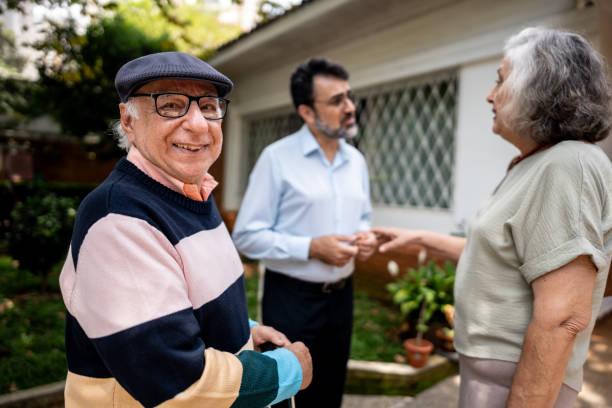
Things are changing fast in how people age. Longer lifespans, rising living costs, and shifting family structures are all reshaping what later life looks like. In 2026, one thing is becoming very clear: senior housing support is no longer optional. It’s essential. Not just for comfort. Not just for safety. But for dignity, independence, and peace of mind. Let’s break down why this matters more now than ever.
The world has shifted. Families are smaller. Cities are busier. And older adults are living longer than before. That combination creates real pressure on housing systems. More seniors are choosing or needing to live independently. But independent living doesn’t automatically mean easy living. In many places, especially urban areas, housing costs have gone up sharply. At the same time, pensions and retirement savings haven’t always kept pace. That gap creates stress.
A few real-world factors stand out:
People are living longer, often into their 80s and 90s
Adult children often live in different cities or countries
Home maintenance is harder with age
Healthcare needs are increasing gradually
Affordable housing is harder to find in many regions
Put all that together, and you get a clear picture. Seniors need more structured housing support systems, not less.
In the past, senior housing mostly meant a place to live. A roof, basic services, maybe some community space. That’s not enough anymore. In 2026, senior housing support is about full lifestyle support. It connects housing with health, safety, and social life.
Modern senior housing support often includes:
Help with daily tasks
Access to healthcare or check-ups
Safe mobility design inside homes
Social activities and community programs
Emergency response systems
It’s not just about where someone sleeps. It’s about how they live every day.
Think of two seniors living alone. One struggles with stairs, meal prep, and isolation. The other lives in a supported housing setup with small adjustments, regular check-ins, and community spaces nearby. Same age. Very different quality of life. That difference is what senior housing support is trying to fix.
From large urban centers to smaller towns, demand is rising everywhere.
In cities, space is limited and expensive. In rural areas, services can be far away. Both situations create challenges for older adults.
In busy cities:
Rent keeps increasing
Buildings aren’t always senior-friendly
Noise and crowding add stress
Isolation still exists, even in dense areas
In smaller towns:
Fewer healthcare facilities nearby
Limited transport options
Fewer senior community programs
Long distances between services
So no matter where you look, the need is growing. Just in different ways.
One major shift in 2026 is how closely health is tied to housing conditions.
A simple fall at home can change everything. Poor lighting, stairs, or lack of support can turn small risks into serious problems.
Good senior housing support focuses on prevention:
Step-free access where possible
Grab bars in bathrooms
Emergency alert systems
Well-lit hallways and rooms
Easy access to medical help
These are not luxury features. They are basic safety needs now.
Healthcare systems are already stretched in many countries. Preventing accidents at home reduces hospital visits and long recovery periods.
In simple terms: safer homes mean healthier ageing.
This part often gets overlooked.
Loneliness is becoming a major issue for older adults. Not because people don’t care, but because life moves fast and distances grow. Senior housing support helps fix that gap.
When housing includes shared spaces or community programs, something important happens. People start talking again. Small conversations. Shared meals. Simple routines. It looks basic, but it matters.
Regular social interaction
Group activities and events
Shared outdoor or indoor spaces
Peer support among residents
Even small interactions reduce isolation significantly.
Many seniors who move into supportive housing report the same thing: They didn’t realize how quiet life had become until they started talking to people again. That change alone improves mood, memory, and motivation.
Let’s be honest. Money is a big part of this discussion.
In 2026, cost of living continues to rise in many regions. Senior housing support is increasingly seen as a way to manage long-term financial stability.
At first glance, supported housing might seem expensive. But when broken down, it often includes:
Shared utilities
Maintenance services included
Reduced emergency repair costs
Access to health and support services
So instead of paying for everything separately, costs become more predictable.
Waiting too long can limit options. Early planning gives more control over:
Location choices
Type of housing
Level of support needed
Budget flexibility
This is becoming a key part of retirement planning conversations.
Technology is playing a bigger role than many people realize. Not flashy tech. Simple, practical tools.
Emergency alert buttons
Smart home lighting systems
Remote health monitoring
Medication reminders
Video calls for family connection
These tools don’t replace human care. They support it. And they help seniors stay independent longer.
Looking ahead, senior housing is shifting from a “service” to a “system.”
A system that connects:
Housing
Healthcare
Community life
Safety
Financial planning
It’s becoming more integrated, not separate.
More mixed-age communities
Smarter, safer housing design
Stronger local government involvement
More flexible living arrangements
Better focus on mental well-being
The goal is simple: help people age without losing control of their lives.
Because people are living longer, costs are rising, and family support structures are changing. More seniors need safe, connected, and supportive living environments.
No. Many seniors use it as a proactive choice to stay independent longer and reduce future risks.
Yes. Many modern housing setups include community spaces, activities, and social programs that reduce isolation and improve mental health.
Senior housing support in 2026 is not just about buildings. It’s about life itself. Safer homes. Easier routines. More connection. Less stress. The need isn’t growing because ageing is getting worse. It’s growing because expectations are changing. People want better quality of life in later years, not just survival. And honestly, that shift makes complete sense.