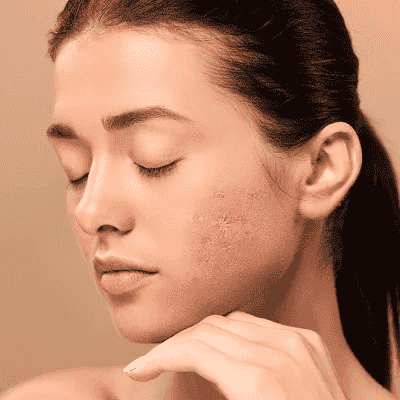
Adult hormonal acne is a common yet often frustrating skin concern that affects many individuals well beyond their teenage years. Unlike typical acne that may appear during puberty and gradually fade, hormonal acne tends to persist or reappear in adulthood due to internal fluctuations in hormone levels. It often appears along the jawline, chin, and lower cheeks and can range from mild breakouts to deep, painful cystic lesions.
Understanding the root causes and exploring effectiveAcne Treatment methods can help manage and significantly reduce breakouts. With the right combination of skincare, lifestyle adjustments, and targeted treatments, clearer and healthier skin is achievable.
Understanding Adult Hormonal Acne and Its Root Causes
Hormonal acne is primarily triggered by fluctuations in hormones, especially androgens such as testosterone. These hormones can increase the production of sebum (skin oil), which clogs pores and creates an environment where acne-causing bacteria thrive.
Several factors can contribute to hormonal imbalance, including:
Menstrual cycle changes
Pregnancy and postpartum shifts
Polycystic ovary-related hormonal fluctuations
High stress levels
Poor sleep patterns
Diets high in refined sugars and dairy in some individuals
Unlike surface-level acne, hormonal acne is often deeper and more inflamed. It tends to recur in cycles, making consistent acne treatment essential for long-term control.
Common Signs and Patterns of Hormonal Acne
Recognizing hormonal acne is important before starting any acne treatment plan. This type of acne often presents distinct characteristics such as:
Breakouts concentrated along the jawline and chin
Deep, painful cysts beneath the skin
Flare-ups that follow a monthly cycle
Persistent acne despite regular skincare routines
Oily skin accompanied by inflammation
These patterns help differentiate hormonal acne from other forms like bacterial or environmental acne. Understanding these signs allows for a more targeted and effective treatment approach.
Topical Acne Treatment Options for Hormonal Breakouts
Topical treatments are often the first line of defense when managing hormonal acne. These products work directly on the skin to reduce oil production, unclog pores, and calm inflammation.
Common topical acne treatment ingredients include:
Benzoyl Peroxide: Helps kill acne-causing bacteria and reduce inflammation
Salicylic Acid: Exfoliates inside the pores to prevent clogging
Retinoids: Encourage skin cell turnover and prevent pore blockage
Niacinamide: Reduces redness, controls oil, and improves skin barrier health
Azelaic Acid: Targets inflammation and helps fade post-acne marks
Consistency is key when using topical acne treatment. Results are usually gradual and may take several weeks before noticeable improvements appear. Overuse or combining too many active ingredients at once can irritate the skin, so a balanced routine is essential.
Hormonal Acne Treatment Through Internal Balance
Since hormonal acne originates from within, internal treatment approaches are often necessary for long-term improvement. These methods focus on regulating hormones and reducing internal triggers that contribute to breakouts.
Some common internal acne treatment strategies include:
Hormonal regulation approaches: Supporting the body's natural hormonal balance through guided medical or wellness strategies
Stress management techniques: Chronic stress increases cortisol levels, which can worsen acne flare-ups
Balanced nutrition: Reducing excessive sugar intake and focusing on whole foods may help stabilize insulin and androgen levels
Adequate hydration: Supports detoxification and overall skin function
While internal methods alone may not clear acne instantly, they significantly enhance the effectiveness of external acne treatment routines when combined properly.
Skincare Routine Essentials for Effective Acne Treatment
A consistent and gentle skincare routine plays a crucial role in managing hormonal acne. Harsh products or over-cleansing can strip the skin barrier, leading to more oil production and irritation.
An effective daily acne treatment routine generally includes:
Gentle cleanser: Removes dirt and excess oil without irritating the skin
Non-comedogenic moisturizer: Keeps skin hydrated without clogging pores
Targeted treatment serum: Contains active ingredients like retinoids or salicylic acid
Sunscreen: Protects skin from UV damage and prevents dark acne marks from worsening
It is also important to avoid excessive scrubbing or frequent product switching, as this can disrupt the skin’s healing process. A stable routine allows acne treatment products to work more effectively over time.
Lifestyle Adjustments That Support Acne Treatment Results
Lifestyle choices can significantly influence hormonal acne severity. While skincare products are important, internal habits often determine long-term success.
Helpful lifestyle adjustments include:
Reducing processed foods and refined sugar intake
Managing stress through relaxation techniques or physical activity
Maintaining a consistent sleep schedule
Avoiding touching or picking at acne lesions
Regularly cleaning items that come into contact with the face, such as pillowcases and phones
Exercise can also support skin health by improving circulation and reducing stress hormones. However, it is important to cleanse the skin after sweating to prevent pore blockage.
Common Mistakes to Avoid During Acne Treatment
Many individuals unintentionally worsen their acne by making common skincare mistakes. Avoiding these errors can improve the effectiveness of any acne treatment plan.
Frequent mistakes include:
Over-cleansing the skin, leading to dryness and irritation
Using too many active ingredients at once
Expecting immediate results and switching products too quickly
Ignoring moisturizer due to oily skin concerns
Picking or squeezing pimples, which can cause scarring
A gentle and consistent approach is far more effective than aggressive treatment methods. Patience is essential, as acne treatment often requires time to show visible improvement.
In some cases, over-the-counter solutions may not be enough to control hormonal acne. Advanced acne treatment options may be considered for persistent or severe breakouts.
These may include:
Prescription-strength topical treatments
Oral medications that help regulate hormonal activity
Targeted combination therapies
Controlled skin resurfacing procedures
These approaches are typically used when acne significantly affects skin health or quality of life. A tailored plan is often more effective than a one-size-fits-all method, especially for hormonal acne cases.
Frequently Asked Questions (FAQs)
1. What is the main cause of hormonal acne in adults? Hormonal acne is mainly caused by fluctuations in hormone levels, especially androgens, which increase oil production and clog pores.
2. How long does acne treatment take to show results? Most acne treatment routines take several weeks to a few months before noticeable improvement appears, depending on severity and consistency.
3. Can diet really affect hormonal acne? Yes, diet can influence hormone balance and inflammation. High sugar and processed foods may worsen acne in some individuals.
4. Is hormonal acne permanent? Hormonal acne is not permanent, but it can be chronic if underlying hormonal imbalances are not addressed.
5. What skincare ingredients are best for acne treatment? Common effective ingredients include salicylic acid, benzoyl peroxide, retinoids, niacinamide, and azelaic acid.
6. Can stress make acne worse? Yes, stress increases cortisol levels, which can trigger excess oil production and worsen breakouts.
 English
 Arabic
 French
 Spanish
 Portuguese
 Deutsch
 Turkish
 Dutch
Dutch
 Italiano
 Russian
 Romaian
 Portuguese (Brazil)
 Greek
Greek