English
 Arabic
 French
 Spanish
 Portuguese
 Deutsch
 Turkish
 Dutch
Dutch
 Italiano
 Russian
 Romaian
 Portuguese (Brazil)
 Greek
Greek

iTunes Gift Card in Nigeria – Sell & Cash Out Fast
Games |
2026-01-21 14:01:55
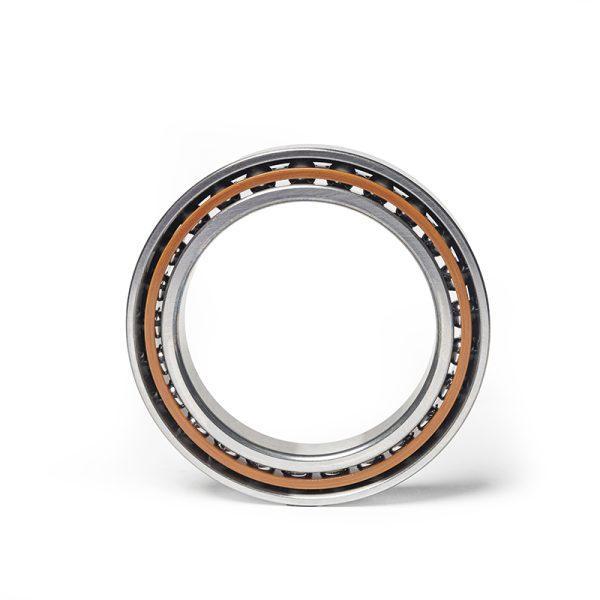
Machine downtime is one of the most expensive challenges in industrial operations. For manufacturers, CNC machining facilities, automotive systems, and high-speed production environments, bearing failure can stop production unexpectedly and create major financial losses. One component that frequently affects equipment performance is the angular contact bearing.
Many procurement managers and maintenance engineers experience repeated bearing damage without fully understanding the cause. Machines may produce unusual vibration, overheating, excessive noise, or shaft misalignment. Often, teams replace the bearing multiple times, but the same problem continues because the root issue remains unresolved.
The reality is simple: selecting the wrong bearing, poor maintenance, contamination, or incorrect installation can drastically reduce bearing lifespan. Understanding how angular contact bearing problems develop and implementing practical solutions can help businesses avoid costly interruptions, reduce maintenance expenses, and improve equipment reliability.
An angular contact bearing is designed to support combined radial and axial loads simultaneously. These bearings are commonly used in applications requiring precision, speed, and rotational accuracy.
However, industrial users frequently face recurring problems because the bearing is not properly matched to operating conditions.
Here are the most common reasons failures occur.
One of the biggest mistakes industrial buyers make is selecting bearings based mainly on price instead of performance requirements.
Not every angular contact bearing works effectively in high-speed or heavy-load environments. If a bearing cannot tolerate the operational stress of the application, it will wear out prematurely.
For example, CNC spindle systems require high rotational accuracy and thermal stability. Installing a lower-grade bearing in such machinery often leads to overheating and performance loss.
Before purchasing, businesses should evaluate:
Matching the bearing to operational needs significantly reduces unexpected failures.
Poor lubrication is one of the leading causes of bearing damage across industries.
Many maintenance teams either apply too little lubricant or over-lubricate the system. Both situations increase friction, operating temperatures, and internal wear.
Improper lubricant selection can also create performance issues. High-speed machinery often requires specialized lubrication to reduce heat buildup and maintain consistent operation.
Signs of lubrication-related problems include:
A preventive lubrication schedule improves performance and extends bearing service life.
Even premium bearings fail when installed incorrectly.
Angular contact bearings require accurate mounting because improper preload or alignment directly impacts performance. Excessive installation force can damage raceways and rolling elements before machinery even begins operating.
Common installation mistakes include:
Poor shaft alignment creates uneven load distribution, increasing stress on one side of the bearing.
Too much preload generates overheating, while insufficient preload reduces stability and precision.
Dust or debris entering the bearing housing during assembly accelerates wear and reduces operational efficiency.
Using professional installation tools and following technical specifications prevents unnecessary failures.
Industrial environments expose machinery to dust, moisture, metal particles, and chemicals.
When contaminants enter an angular contact bearing, rolling surfaces become damaged quickly. This increases friction and creates irregular movement inside the bearing system.
Industries such as mining, heavy manufacturing, and metal processing are particularly vulnerable to contamination-related failures.
Warning signs include:
Proper sealing systems and routine inspections reduce contamination risks significantly.
Many businesses attempt to reduce procurement costs by selecting low-cost alternatives.
While this may appear cost-effective initially, cheap bearings often create larger financial losses over time.
The hidden costs usually include:
For B2B companies, reliability often delivers greater long-term value than short-term savings.
A single machine stoppage in a high-production environment can cost far more than investing in dependable bearing solutions from the start.
Industrial teams can significantly improve reliability by applying a structured maintenance approach.
Avoid repeatedly replacing damaged bearings without understanding the reason for failure.
Analyze:
Finding the true cause prevents recurring downtime.
Modern maintenance strategies rely on vibration monitoring and temperature tracking to detect bearing issues early.
This helps businesses replace components before unexpected failure disrupts operations.
Selecting the correct angular contact bearing specification matters more than simply purchasing the lowest-cost option.
Performance, durability, precision, and operating conditions should guide procurement decisions.
Installation quality directly affects bearing performance.
Regular technical training helps maintenance teams avoid preload mistakes, contamination, and mounting errors.
Recurring machine failures often begin with overlooked bearing issues. An angular contact bearing plays a critical role in supporting high-speed and precision applications, but poor selection, lubrication problems, contamination, and installation mistakes can shorten its lifespan significantly.
For industrial businesses, reducing downtime requires more than replacing damaged parts. It involves understanding the root cause, improving maintenance practices, and selecting bearings designed for specific operational demands.
Companies that take a proactive approach often experience lower maintenance costs, improved productivity, and longer equipment reliability over time.