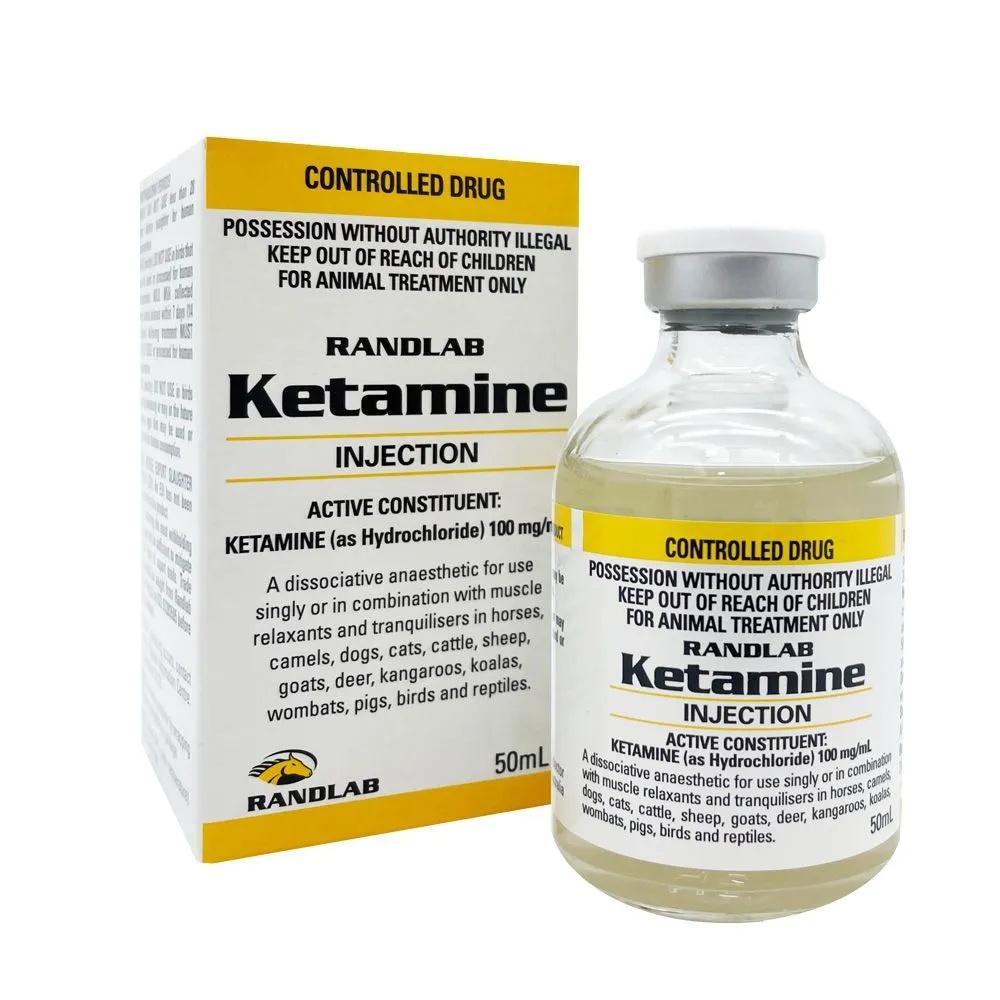
Let’s be honest—when most people hear the phrase “ketamine horse tranquilizer,” they picture something out of a wild west movie or a sensational news headline. But for veterinarians, ketamine is none of that. It is a serious, scientifically fascinating, and incredibly useful dissociative anesthetic that has earned its place in equine practice. At Horse Medicine Store, we work closely with veterinary professionals who rely on ketamine every day for short procedures, pain management, and emergency field work. Yet even among vets, there are nuances to ketamine use that deserve a closer look. From its unique mechanism of action to the latest thinking on recovery protocols, this guide is written for veterinarians who want to sharpen their knowledge and for veterinary students who are just getting started. Because when it comes to ketamine, knowing the fine details can mean the difference between a smooth procedure and a dangerous recovery.
The Pharmacology That Sets Ketamine Apart from Other Anesthetics
Ketamine stands alone in the veterinary pharmacy for one simple reason: it produces dissociative anesthesia without significant cardiorespiratory depression. Unlike propofol or barbiturates, which can drop blood pressure and slow breathing to dangerous levels, ketamine actually stimulates the sympathetic nervous system. Heart rate, cardiac output, and blood pressure typically increase or remain stable. For horses, which are already prone to hypotension under general anesthesia, this is a major advantage. The drug works primarily as a noncompetitive antagonist at the NMDA receptor, blocking pain signals at the spinal and supraspinal levels. But ketamine also interacts with opioid receptors, monoaminergic receptors, and voltage-gated calcium channels. This broad activity explains why ketamine provides such reliable somatic analgesia but also why it can cause muscle rigidity, nystagmus, and hypersalivation. Understanding these pharmacological quirks allows a veterinarian to anticipate side effects and choose the right adjunct drugs to counter them.
Choosing the Right Drug Combinations for Balanced Anesthesia
No experienced equine practitioner reaches for ketamine alone. The standard of care is balanced anesthesia, where ketamine is combined with a sedative and often a muscle relaxant. The most common protocol starts with an alpha-2 agonist—xylazine at 0.5 to 1.1 mg/kg or detomidine at 0.01 to 0.02 mg/kg intravenously. This provides profound sedation, analgesia, and muscle relaxation while reducing the ketamine dose needed. After waiting three to five minutes for the alpha-2 to take full effect, ketamine is given at 2.2 mg/kg IV. For longer procedures, a benzodiazepine like diazepam (0.04 mg/kg) or midazolam (0.02 to 0.04 mg/kg) can be added to improve muscle relaxation and reduce recovery quality issues. Some practitioners are now using low-dose ketamine infusions (0.5 to 1.0 mg/kg per hour) for maintenance during longer surgeries, often alongside a constant rate infusion of an alpha-2 agonist. The key takeaway is that ketamine is a team player—its success depends entirely on what you mix with it and when you give each component.
Dosing Strategies for Different Clinical Scenarios
Dosing ketamine is not a one-size-fits-all calculation. For a healthy adult horse undergoing castration, the classic 2.2 mg/kg IV works beautifully. But what about a compromised patient? A horse with colic and endotoxemia may have altered hepatic blood flow and reduced drug metabolism. In these cases, many vets reduce the ketamine dose to 1.5 to 1.8 mg/kg and lean more heavily on alpha-2 agonists for support. For standing sedated procedures that require brief, intense analgesia—such as dental extractions or wound debridement in a standing horse—low-dose ketamine at 0.2 to 0.5 mg/kg IV can provide profound pain relief without recumbency. Field euthanasia is another scenario where ketamine shines. A high dose of ketamine (4 to 6 mg/kg IV) combined with an alpha-2 agonist produces rapid, humane loss of consciousness before the final euthanasia solution is given. The golden rule is this: always calculate the dose based on accurate body weight, never eyeball it, and adjust downward for sick, old, or very young patients.
Managing Recovery to Prevent Injury and Excitement
Ask any equine veterinarian about their worst ketamine story, and it will involve recovery. The horse that thrashes, tries to stand too early, and re-injures itself is the nightmare that keeps us up at night. Because ketamine wears off faster than the sedatives used alongside it, the recovery phase can be unbalanced. The horse’s brain wakes up quickly, but its muscles may still be relaxed, leading to disorganized, panicked movements. The best strategy is to plan recovery before you ever give the first drug. A quiet, padded recovery stall with good footing and low lighting is essential. Many vets now administer a small additional dose of an alpha-2 agonist—such as 0.1 to 0.2 mg/kg of xylazine—just as the horse begins to show signs of waking. This smooths out the transition and reduces the risk of violent recovery. For high-risk patients or those undergoing orthopedic procedures, assisted recovery using head and tail ropes or a recovery pool may be indicated. Do not leave the horse unattended, and do not rush into the stall until the horse is fully awake and stable.
Safety, Storage, and Legal Compliance in Practice
As a veterinarian, you already know that ketamine is a Schedule III controlled substance. But knowing and practicing are two different things. Federal law requires that ketamine be stored in a securely locked, substantially constructed cabinet. You must maintain an accurate inventory log showing every milligram received, dispensed, administered, and disposed of. Discrepancies are a red flag during DEA inspections. When dispensing ketamine to a client for at-home use—which should be rare and only for very specific pain management protocols—you must provide clear written instructions and ensure the client understands their legal obligation to store the drug securely. Never prescribe ketamine without a valid veterinarian-client-patient relationship, and never dispense it to a client you have not examined the horse for. It is also worth noting that compounding ketamine into different concentrations or formulations is permitted only for legitimate veterinary medical needs and must follow state and federal compounding regulations. Staying compliant protects your license, your practice, and your patients.
Emerging Research and Alternative Protocols Worth Watching
Veterinary medicine does not stand still, and neither should your approach to ketamine. Recent research has explored the use of subanesthetic ketamine infusions for managing chronic pain in horses with laminitis or osteoarthritis. Early results show promising reductions in pain scores and improved quality of life, though protocols are still being refined. Another area of interest is the combination of ketamine with lidocaine for multimodal analgesia during colic surgery. Some studies suggest this combination reduces postoperative ileus and shortens hospital stays. There is also growing discussion about the neuroprotective effects of ketamine in horses with head trauma or neonatal maladjustment syndrome. While these applications are not yet standard of care, they represent the frontier of equine anesthesia. Staying current with the literature and attending continuing education on anesthetic protocols will ensure you are not left behind. Ketamine has been a cornerstone of equine practice for decades, but the best veterinarians know there is always more to learn about how to use it safely, effectively, and compassionately.
 English
 Arabic
 French
 Spanish
 Portuguese
 Deutsch
 Turkish
 Dutch
Dutch
 Italiano
 Russian
 Romaian
 Portuguese (Brazil)
 Greek
Greek