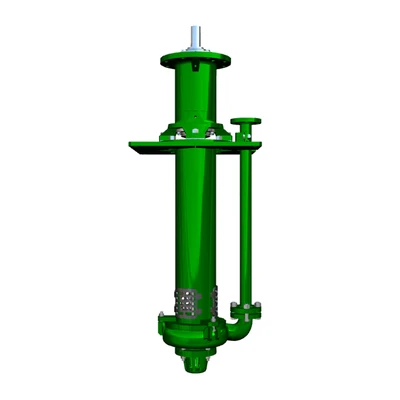
There is a difference between lab-tested durability and field-proven durability. Any pump can look good on a factory test stand with clean water and ideal conditions. The truth comes out when the pump is dropped into a real sump—maybe a frozen tailings pond in northern Canada, a humid copper mine in the Andes, or a sand pit in the Australian outback. CNSME PUMP has deliberately sought out these harsh environments to validate their vertical slurry pump designs. The company does not just run simulations; they partner with operators who push equipment to its limits. The result is a pump that has been tested against extreme cold, blinding heat, corrosive chemicals, and punishing abrasion. Let me share what those tests revealed and how CNSME used the lessons to build a more durable machine.
Sub-Zero Performance in Arctic Mining Operations
Cold is brutal on pumps. Lubricants thicken. Elastomers turn brittle. Water trapped in crevices freezes and expands, cracking castings. A diamond mine in the Northwest Territories of Canada tested CNSME vertical pumps in conditions that dropped to minus forty degrees Fahrenheit. The standard bearing grease would not flow. The mechanical seals leaked because the rubber bellows had lost flexibility. CNSME responded with a cold-weather package. The bearing housing now uses synthetic grease rated to minus sixty degrees. The mechanical seal uses fluorocarbon elastomers that stay flexible in extreme cold. A thermostatically controlled heater band wraps around the bearing housing, keeping the grease warm during shutdowns. The shaft sleeve is polished to a mirror finish so that any ice that forms is easily broken during startup. The mine reports that the CNSME pumps now start reliably after overnight shutdowns, even when the wind chill drops below minus fifty. Other pump brands on the same site required portable heaters and hours of warm-up. Durability in cold is not just about materials; it is about understanding how ice forms and where water can collect. CNSME redesigned the mounting plate to slope away from the pump, preventing pooled water from freezing around the shaft.
High-Altitude Operation in Andean Copper Mines
High altitude presents a different set of challenges. At elevations above 12,000 feet, the air is thin. Electric motors lose cooling efficiency because there are fewer air molecules to carry away heat. A motor that is perfectly sized at sea level may overheat at altitude. CNSME tested their pumps at a copper mine in the Chilean Andes at 14,500 feet. The standard motors ran hot, tripping thermal overloads. The solution was oversizing the motor by one frame size and adding a forced ventilation blower that draws ambient air through the motor regardless of altitude. The pumps also required adjustments to the air purge seal system. At high altitude, lower atmospheric pressure means the purge air expands more than expected, requiring pressure regulators to be recalibrated. The mine now has a dozen CNSME pumps operating reliably at high altitude, with motor temperatures holding steady within acceptable ranges. The lesson was that durability is not just about what the pump moves, but where it sits. CNSME now includes altitude derating guidelines in their selection software, preventing undersized motors for mountain operations.
Desert Heat and Abrasive Sand in Middle Eastern Aggregate Pits
Heat and abrasion together create a worst-case scenario for pumps. A sand quarry in the United Arab Emirates tested CNSME vertical slurry pump temperatures exceeding 120 degrees Fahrenheit. The slurry was sharp, angular silica sand—one of the most abrasive materials in existence. Rubber liners were not an option; the sand cut through rubber in weeks. High-chrome impellers and liners were mandatory. But the heat created another problem. The bearing housings were getting too hot to touch, even with standard grease. Infrared measurements showed bearing temperatures approaching 200 degrees Fahrenheit. CNSME added a finned cooling ring to the bearing housing, increasing surface area for heat dissipation. They also switched to a synthetic high-temperature grease rated to 350 degrees. With these changes, bearing temperatures dropped to 160 degrees—still hot, but within acceptable limits. The quarry now gets twelve to fifteen months of impeller life and over two years of bearing life. Without the heat-specific modifications, the same pump would have required bearing changes every six months. The desert test proved that off-the-shelf solutions fail in extreme heat; only purpose-designed components survive.
Underwater and Flooded Sump Installations
Sometimes harsh conditions mean the pump itself is submerged. Not just the wet end, but the motor and mounting plate. A flooded lead-zinc mine in Missouri had sumps that periodically filled completely with water due to heavy inflows. Standard vertical pumps would have their motors and bearings underwater for days at a time. Water intrusion killed the bearings. CNSME developed a submersible-ready vertical pump for this application. The motor is sealed to IP68 standards, meaning it can operate fully submerged. The bearing housing uses a double seal with a moisture detection probe. If water breaches the outer seal, the probe triggers an alarm, and an automatic air purge pressurizes the housing to eject the water. The control panel is located above the flood level, with long cables running to the pump. This hybrid design—vertical pump with submersible capabilities—has proven exceptionally durable. The mine reports that the CNSME pumps have survived several complete flood events without damage, while previous pumps had to be pulled and rebuilt after each flood. The ability to operate underwater is not a standard feature, but for mines in flood-prone areas, it is a durability requirement.
Abrasive Slurries with Tramp Iron and Rocks
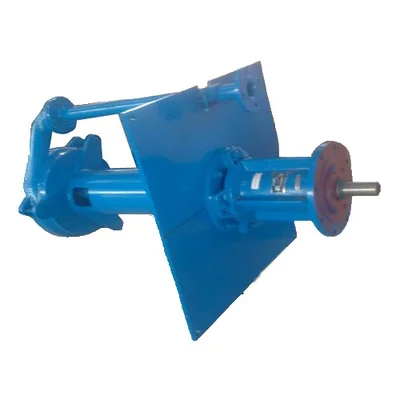
The harshest test for any slurry pump is tramp material. A pump that handles fine sand well may be destroyed by a single chunk of steel or a large rock. A coal preparation plant in West Virginia had a recurring problem. Their sump collected coal slurry plus occasional bits of conveyor belt hardware, roof bolts, and broken tools. These metal objects would wedge between the impeller and the volute liner, locking the pump solid. The resulting torque would shear the shaft or crack the bearing housing. CNSME addressed this with a breakaway impeller design. The impeller is attached to the shaft with a shear pin that is designed to fail at a specific torque. When a rock or piece of metal jams the impeller, the shear pin breaks, and the shaft spins freely inside the impeller hub. The pump continues to run, but it moves no slurry. The operator hears the change in sound and shuts down. The jammed object can then be removed, a new shear pin installed, and the pump restarted. The shaft and housing survive. This sacrificial pin turns a catastrophic failure into a minor repair. The coal plant has gone from replacing two pumps per year to replacing two shear pins per year—a dramatic improvement in practical durability.
Acidic Slurries with High Chloride Content
Chemical durability is as important as mechanical durability. A fertilizer plant in Louisiana pumped phosphogypsum slurry—a byproduct of phosphoric acid production. The slurry had a pH of 2 and contained high levels of chlorides. Standard high-chrome impellers lasted less than three months before pitting and cracking. Rubber liners swelled and delaminated. Stainless steel CD4MCu performed better but still showed crevice corrosion at the shaft connections. CNSME tested titanium impellers and Hastelloy liners. Titanium is virtually immune to the chemical attack, but it is soft and wears faster than high-chrome. The solution was a hybrid: a titanium core for corrosion resistance, with a high-chrome overlay on the vane surfaces for abrasion resistance. This bimetal impeller is expensive—roughly five times the cost of a standard high-chrome impeller. But it lasts over two years in the phosphogypsum slurry, compared to three months for standard materials. The plant’s total cost of ownership dropped by forty percent despite the higher upfront cost. The lesson was that true durability in harsh chemical conditions requires creative material engineering, not just picking the most corrosion-resistant or abrasion-resistant alloy, but combining them where each is needed most.
Lessons Learned and Incorporated into Standard Designs
Every harsh-condition test teaches CNSME something that eventually benefits all customers. The arctic cold test led to improved grease specifications for all pumps, not just cold-weather units. The high-altitude test resulted in better motor selection guidelines. The desert heat test improved bearing housing cooling across the product line. The flooded sump test led to better moisture seals as a standard feature. The tramp iron test produced the shear pin option now available on all large pumps. The acidic slurry test advanced bimetal casting techniques that are now used for other demanding applications. CNSME maintains a database of field test results, correlating pump life with specific operating parameters. This database allows their application engineers to predict durability for new installations with increasing accuracy. When a customer asks, “How long will this pump last in my conditions?” CNSME can answer with data, not guesses. That is the ultimate value of durability testing: moving from hope to certainty.
 English
 Arabic
 French
 Spanish
 Portuguese
 Deutsch
 Turkish
 Dutch
Dutch
 Italiano
 Russian
 Romaian
 Portuguese (Brazil)
 Greek
Greek