English
 Arabic
 French
 Spanish
 Portuguese
 Deutsch
 Turkish
 Dutch
Dutch
 Italiano
 Russian
 Romaian
 Portuguese (Brazil)
 Greek
Greek

Jim Carrey's Kaufman Documentary - Netflix Secures Global Rights
Games |
2026-02-10 02:47:12
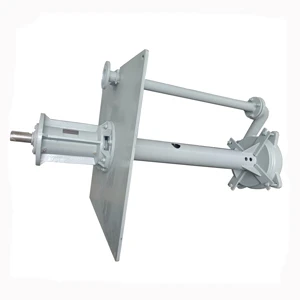
Walk through any coal-fired or biomass power plant, and you’ll find sumps in places most visitors never see. Beneath the coal conveyors, under the ash handling systems, and at the low points of the boiler house—these sumps collect a gritty, miserable mixture of coal dust, bottom ash, lime slurry, and water that has leaked from a dozen different processes. Pumping this material is not optional. If those sumps overflow, you face environmental fines, safety hazards, and angry regulators. But standard pumps die quickly in power plant sumps. The abrasion eats impellers. The heat degrades seals. The intermittent duty cycles confuse controls. CNSME PUMP vertical slurry pumps have earned a reputation in this tough sector because they’re built to handle exactly these conditions. Let me walk you through how they fit into power plant operations and why they keep running when other pumps give up.
Coal piles are dirty neighbors. Rainwater percolates through tons of coal, picking up fine particles, heavy metals, and often a low pH from pyrite oxidation. That runoff collects in perimeter sumps. The material is thin and watery but loaded with sharp, abrasive coal fines. A horizontal pump would need a long suction line that would constantly clog. CNSME vertical pumps sit right in the sump, with the impeller positioned to pull from just above the bottom. The open impeller design passes coal fines up to half an inch without drama. For power plants that spray water on coal piles to control dust, the washdown adds even more volume. The vertical pump handles these intermittent high-flow events without losing prime. The real win, though, is the cantilever option. With no submerged bearing, there’s nothing for coal fines to pack around and seize. The pump simply runs until the sump is dry, then waits for the next rain.
Bottom ash is the heavy stuff. It falls from the boiler grate into a water-filled hopper, where the sudden cooling fractures it into a gritty, angular slurry. That slurry then flows to a dewatering sump or a collection pit before being pumped to a disposal pond or a conveyor. The ash particles are sharp as broken glass and dense enough to settle rapidly. If the pump stops for even a few minutes, the ash compacts into a concrete-like layer. CNSME vertical pumps solve this with two features. First, the agitator option creates a downward vortex that keeps ash suspended. Second, the high-chrome wet end shrugs off the abrasion that would destroy a cast-iron impeller in weeks. Plant operators have learned to run these pumps on a timer that cycles them every hour even when the pit is empty, just to prevent settling. The vertical design allows this dry cycling without damage, thanks to the bearing placement above the slurry level.
Flue gas desulfurization, or scrubber systems, use limestone slurry to remove sulfur dioxide from boiler exhaust. That limestone slurry is mildly corrosive and moderately abrasive. It also tends to scale and form hard deposits on any surface it touches. Sump pumps handling scrubber drainages need to resist both abrasion and chemical attack. CNSME offers rubber-lined vertical pumps specifically for this duty. The natural rubber absorbs impact from limestone particles and resists the low pH of the slurry. More importantly, the smooth rubber surface discourages scale buildup. When scale does form, the pump’s stiff shaft and robust motor can usually break it free during startup. For severe scaling applications, plant engineers specify the air purge seal option, which keeps the shaft clear of deposits right where the shaft passes through the mounting plate. A scrubber sump pump that would fail every six months with a high-chrome wet end often runs two years or more with rubber lining.
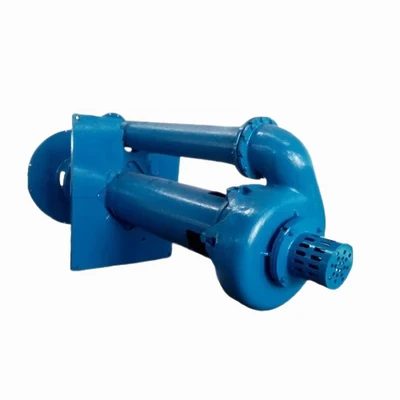
Not all power plant ash comes from the main boiler. Coal mills and pulverizers generate their own waste stream—pyrite, tramp iron, and ungrindable rock that gets dumped into a reject sump. This material is brutal. It contains chunks of metal, sharp stone fragments, and often pockets of corrosive acid. Standard pumps choke on the chunks and get shredded by the sharp edges. CNSME vertical pumps handle this with extra-large impeller passages and a stub shaft design that keeps the rotating assembly stiff. The suction cover features a grid or bar screen that prevents chunks larger than the pump’s particle capacity from entering, but the open impeller still passes anything that fits through that grid. Plant crews appreciate that the vertical pump’s mounting plate includes a clean-out port. When the sump eventually accumulates a layer of settled reject material, they can hose it out without pulling the pump. And because the motor sits high above the sump, it stays clean and cool even when the reject material steams and fumes.
Electrostatic precipitators and baghouses capture fine fly ash from the flue gas before it reaches the stack. That fly ash is extraordinarily fine—like talcum powder—but also abrasive and often hot. Water sprayed into the hoppers for dust control creates a thin, muddy slurry that must be pumped away. The challenge is that fly ash slurries are thixotropic: they flow like water when agitated but set up like jelly when still. CNSME vertical pumps with the agitator option keep the fly ash moving. The agitator sits below the impeller and stirs the hopper contents continuously, preventing the jelly-like setting that would trap a standard pump. The vertical shaft, sealed above the sump, has no packing or seal to leak fine ash into the atmosphere. That’s important because fly ash contains silica and heavy metals that plant operators do not want to breathe. A dry, leak-free pump top is not just a maintenance convenience—it’s a worker safety necessity.
Power plant sumps are often hot. Cooling tower basins can reach 120 degrees Fahrenheit. Boiler blowdown sumps can hit 180 degrees or more. Seal materials and bearing lubricants that work at room temperature fail quickly in heat. CNSME addresses this with high-temperature bearing grease rated to 350 degrees Fahrenheit and mechanical seals with Viton or other heat-resistant elastomers. The vertical design also helps with cooling. The motor sits high above the sump, away from the hot surface, and the long shaft acts as a heat sink, conducting some warmth away from the impeller. For extreme heat applications, such as sumps receiving direct boiler blowdown, CNSME offers a cooling jacket option for the bearing housing. A small flow of plant water circulates through the jacket, keeping bearings at safe temperatures even when the slurry is near boiling. Power plant operators who have lost pumps to melted seals or cooked bearings know the value of this thermal protection.
Here’s the practical reality of power plant vertical slurry pump. Many of them are located in difficult places—under grated walkways, behind steam lines, or in basements with low headroom. Getting a pump out for service can require rigging, confined space entry permits, and hours of prep work. The less frequently you have to pull that pump, the better. CNSME vertical pumps are designed for long intervals between overhauls. The high-chrome or rubber wet ends last thousands of hours. The above-sump bearings stay clean and cool. The shaft sleeves wear slowly and are field-replaceable. Plant maintenance teams have reported run times of three to five years on CNSME pumps in moderate sump duties, compared to eighteen months on previous pumps. That extended life translates directly to reduced labor costs and fewer safety exposures. When you finally do need to pull the pump, the vertical lift-out design and lightweight mounting plate make the job faster and safer than wrestling with a horizontal pump and its piping. For power plant reliability engineers, that combination of longevity and serviceability is the ultimate selling point.