English
 Arabic
 French
 Spanish
 Portuguese
 Deutsch
 Turkish
 Dutch
Dutch
 Italiano
 Russian
 Romaian
 Portuguese (Brazil)
 Greek
Greek

Shillong Teer Result Night: Complete Guide to Night Teer, F/R, S/R & Common Numbers
Other |
2026-02-19 08:51:56
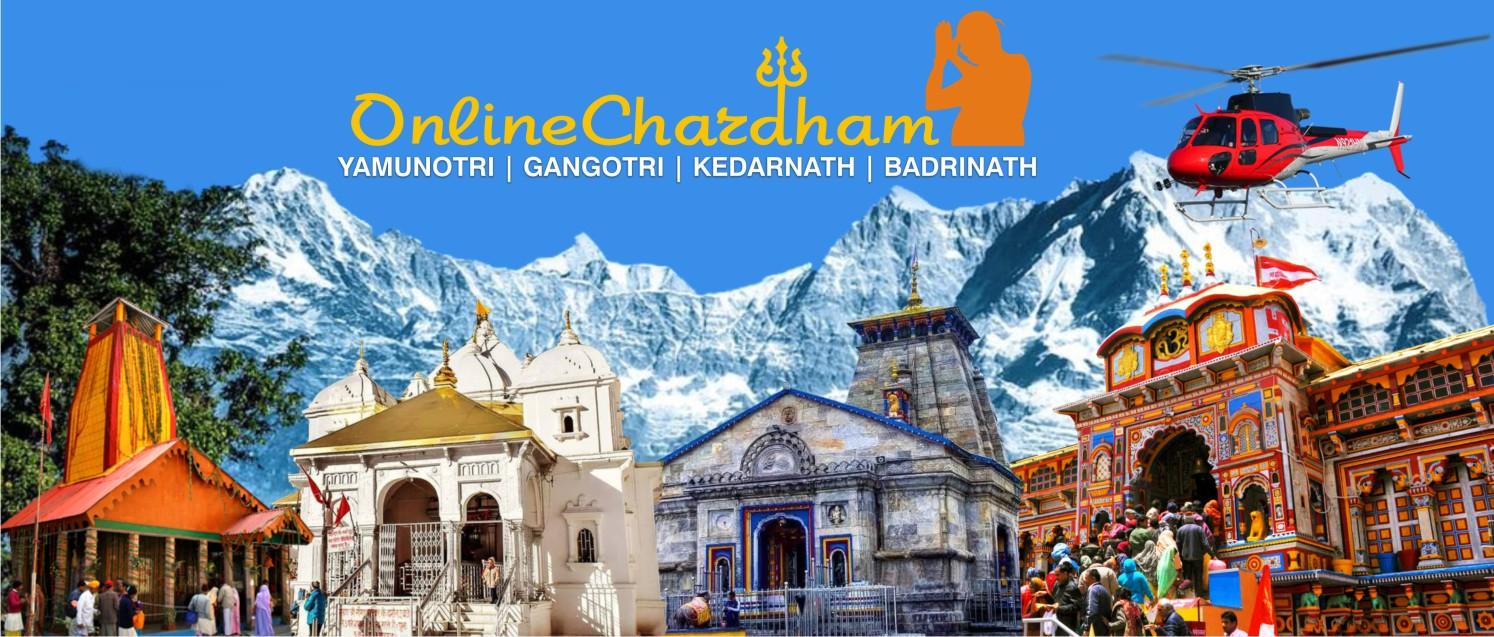
The Char Dham Yatra in Uttarakhand is one of the most sacred pilgrimage journeys in India, covering the four holy shrines of Yamunotri, Gangotri, Kedarnath, and Badrinath. Every year, lakhs of devotees travel to the Himalayas to complete this spiritual circuit. One of the most common questions among pilgrims is which Dham should be visited first. The answer lies in tradition, geography, and spiritual belief, all of which define the sequence of this sacred journey.
The traditional Char Dham Yatra route follows a clockwise direction, starting from Yamunotri, then moving to Gangotri, followed by Kedarnath, and finally ending at Badrinath. This sequence is not random but is based on both spiritual significance and practical travel considerations. Following this order is believed to enhance the spiritual experience and ensure a smooth journey through the challenging Himalayan terrain.
Yamunotri is the first Dham in the traditional route. It is dedicated to Goddess Yamuna and is considered the starting point of purification in the pilgrimage. Located in the Uttarkashi district at an altitude of over 3,000 meters, Yamunotri requires a short trek from Janki Chatti. Pilgrims begin their journey here to cleanse themselves spiritually and prepare mentally and physically for the rest of the yatra. The presence of hot springs like Surya Kund adds to the spiritual importance of this shrine, where devotees cook offerings as part of rituals.
After Yamunotri, the next destination is Gangotri, dedicated to Goddess Ganga. This shrine marks the origin of the sacred River Ganga and is located in a serene valley surrounded by snow-covered peaks. Gangotri is relatively more accessible by road compared to Yamunotri, making the journey slightly easier after the initial trek. According to Hindu mythology, Goddess Ganga descended to Earth at this location to cleanse humanity of sins. Visiting Gangotri after Yamunotri is believed to deepen spiritual purification and strengthen devotion.
The third Dham in the sequence is Kedarnath, one of the twelve Jyotirlingas of Lord Shiva. Kedarnath is considered the most challenging part of the Char Dham Yatra due to its high altitude and trekking requirement. Pilgrims must travel to Gaurikund and then undertake a trek of around 16 to 18 kilometers to reach the temple. Despite the difficulty, Kedarnath is considered the spiritual heart of the yatra. It represents devotion, endurance, and surrender to Lord Shiva. In recent years, helicopter services have also made it more accessible, especially for elderly pilgrims.
The final destination in the traditional Char Dham route is Badrinath, dedicated to Lord Vishnu. Located along the banks of the Alaknanda River, Badrinath is the most accessible among all four Dhams. It is believed that completing the pilgrimage at Badrinath brings spiritual completion and divine blessings. The temple is associated with deep meditation and peace, and it is said that Lord Vishnu himself meditated at this location. Ending the journey here symbolizes fulfillment and liberation.
The clockwise direction of the Char Dham Yatra is not only spiritually significant but also geographically practical. Starting from Yamunotri in the west and moving eastward through Gangotri and Kedarnath before reaching Badrinath helps in managing travel distances efficiently. The route is designed in a way that allows gradual acclimatization to altitude changes, reducing the risk of health issues like altitude sickness.
Another reason for following the traditional order is the symbolic spiritual progression it represents. Yamunotri signifies purification, Gangotri represents devotion and cleansing, Kedarnath symbolizes penance and strength, and Badrinath signifies liberation and completion. This step-by-step journey reflects the inner transformation of a pilgrim from purification to ultimate salvation.
While some travelers may choose to alter the sequence due to convenience, time constraints, or travel packages, following the traditional order is highly recommended for a more meaningful experience. Most organized tours and pilgrimage operators also follow this sequence to ensure smooth logistics and better travel management.
It is also important to consider seasonal and weather conditions when planning the route. The Char Dham Yatra is generally open from May to October, and weather can vary across different regions. Starting early in the season allows pilgrims to avoid heavy crowds and ensure better accessibility, especially in high-altitude areas like Kedarnath.
In conclusion, the traditional Char Dham Yatra begins with Yamunotri, followed by Gangotri, Kedarnath, and ends at Badrinath. This sequence is deeply rooted in spiritual significance and practical travel planning. Following this order not only enhances the pilgrimage experience but also ensures a smoother and more meaningful journey through the sacred Himalayas. For devotees, the Char Dham Yatra is not just about visiting temples but about experiencing a gradual spiritual transformation that leads from purification to ultimate divine connection.
Hotels in Sonprayag Hotels in Syanachatti- Hotels in New Tehri Hotels in Trijuginarayan Hotels in Valley Of Flowers Hotels in Yamunotri Hotels in Kedarkantha Hotels in Kedarnath Hotels in New Tehri Hotels in Pandukeshwar Hotels in Phata Hotels in Pipalkoti Hotels in Ranachatti - Hotels in Sersi Hotels in Rudraprayag Hotels in Gangotri Hotels in Barkot Hotels in Sitapur Hotels in Bhojwasa Hotels in Govind Ghat Hotels In Guptkashi Hotels in Gaurikund Hotels in Harsil Hotels in Hemkund Sahib Hotels in Jankichatti Hotels in Joshimath Hotels in Kalpeshwar Hotels in Devprayag Hotels in Chardham