English
 Arabic
 French
 Spanish
 Portuguese
 Deutsch
 Turkish
 Dutch
Dutch
 Italiano
 Russian
 Romaian
 Portuguese (Brazil)
 Greek
Greek

Say Goodbye to Zits: Revolutionary Acne Clearing Solution
Health |
2026-01-30 16:38:37
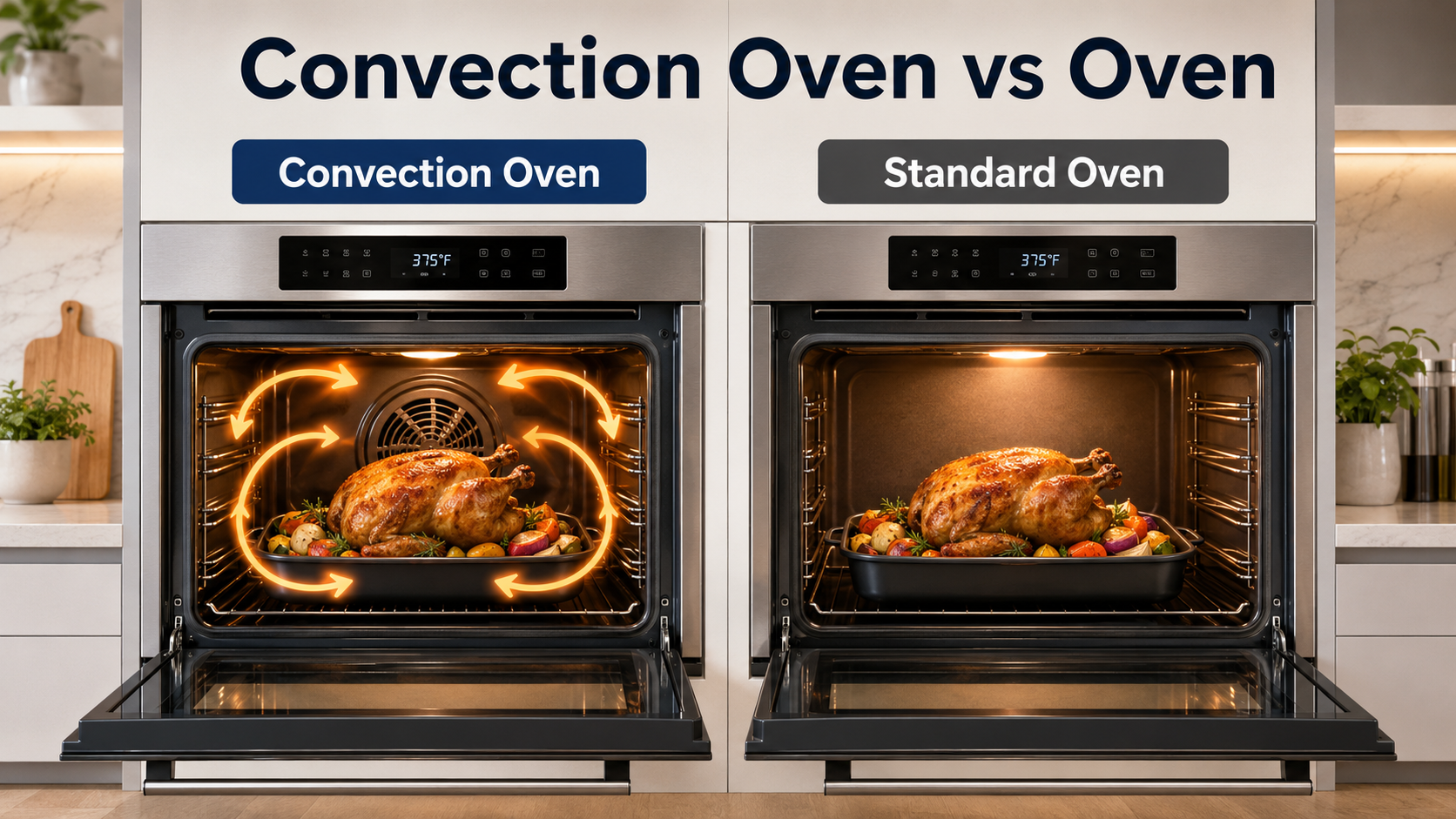
When it comes to cooking and baking, the choice of oven can make a significant difference in your results. Both convection ovens and conventional ovens are common in kitchens, but they operate differently, affecting cooking times, textures, and even browning. Understanding their differences will help you choose the right oven for your cooking needs.
A conventional oven, sometimes called a regular oven, cooks food using radiant heat from the top and bottom heating elements. The heat transfers naturally, warming the air inside the oven and cooking food gradually.
Key Features:
Best Uses: Baking bread, casseroles, custards, and slow-cooked meals.
A convection oven functions similarly to a conventional oven but adds a fan and exhaust system. The fan circulates hot air around the food, resulting in faster, more even cooking and browning.
Key Features:
Best Uses: Roasting meats, baking cookies and pastries, toasting bread, and dishes requiring a crisp exterior.
| Feature | Conventional Oven | Convection Oven |
|---|---|---|
| Heat Source | Top and bottom elements | Top and bottom elements + fan |
| Air Circulation | Minimal | Circulates hot air evenly |
| Cooking Speed | Slower | Faster (up to 25% quicker) |
| Browning & Crisping | Less even | Even and crisp |
| Best For | Casseroles, custards, bread | Roasting, cookies, pastries |
Conventional Oven Pros:
Conventional Oven Cons:
Convection Oven Pros:
Convection Oven Cons:
For Conventional Ovens:
For Convection Ovens:
Both ovens have their strengths. Conventional ovens are great for slow-cooking and delicate baking, while convection ovens excel at roasting, crisping, and cooking multiple trays evenly. Many modern ovens offer both modes, giving you flexibility to switch depending on the recipe.
Understanding the differences between convection and conventional ovens helps optimize your cooking process. Convection ovens provide speed, even heat, and crisp textures, while conventional ovens offer simplicity and slow, gentle cooking. For versatility and professional results, a convection oven with a conventional mode offers the best of both worlds, ensuring your dishes come out perfectly every time.