English
 Arabic
 French
 Spanish
 Portuguese
 Deutsch
 Turkish
 Dutch
Dutch
 Italiano
 Russian
 Romaian
 Portuguese (Brazil)
 Greek
Greek

mart Buyer’s Guide to Used Honda Transmissions for Sale – Save More, Drive Better
Other |
2026-04-09 07:35:01
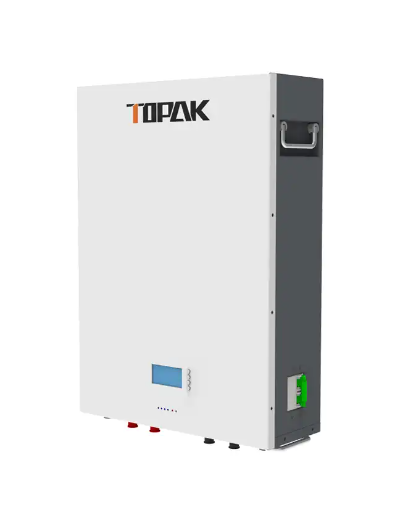
Ensuring the durability of a rack mount battery involves a multi-faceted strategy focused on environmental stabilization and precise electrical governance. To maximize the operational lifespan of these units in critical infrastructures, one must prioritize stringent thermal control, keeping ambient temperatures between 20°C and 25°C to prevent accelerated chemical degradation. Implementing a shallow Depth of Discharge (DoD) strategy significantly preserves the internal chemistry of lithium-based systems, preventing the premature exhaustion of cycle life. Furthermore, integrating a robust Battery Management System (BMS) allows for real-time monitoring of cell voltages and temperatures, ensuring that the rack mount battery operates within its ideal parameters at all times. Regular physical inspections and firmware updates mitigate the risks of hardware failure and software inefficiencies. By aligning load demands with the actual capacity of the energy storage system, users can avoid the strain caused by over-discharging or excessive rapid charging. This proactive approach transforms the power unit from a mere backup component into a resilient, long-term asset capable of sustaining mission-critical operations with unwavering reliability. Vigilance in these technical domains guarantees that the hardware achieves its full design potential without unexpected downtime or safety concerns, ultimately protecting your technological investment and operational continuity.
Maintaining an equilibrium in ambient temperature remains the most significant factor in hardware longevity. Excessive heat acts as a catalyst for parasitic chemical reactions within a rack mount battery, leading to permanent capacity loss and potential thermal runaway. High temperatures increase internal resistance, forcing the system to work harder and dissipate more energy as waste heat. Establishing a dedicated cooling protocol within the server room or data center ensures that cells remain within their optimal thermal envelope. This stability prevents the electrolyte from drying out in lead-acid variants or the anode-cathode interface from degrading in lithium-ion configurations.
Positioning the rack mount battery away from heat-intensive hardware like high-density servers prevents localized hot spots. Utilizing blanking panels and hot/cold aisle containment systems directs chilled air precisely where it is needed most. Proper spacing between units facilitates convective cooling, allowing heat to escape rather than becoming trapped between chassis. This mechanical arrangement reduces the workload on internal fans and ensures that every cell module experiences uniform temperature distribution.
Utilizing external sensors to track humidity and temperature provides a secondary layer of protection against environmental fluctuations. Sudden spikes in temperature often signal an impending failure within the rack mount battery or the facility’s cooling infrastructure. Automated alerts allow technicians to intervene before the hardware reaches critical thresholds. Consistent environmental logging helps in identifying seasonal trends that might necessitate adjustments to the HVAC settings, ensuring year-round protection for the energy storage architecture.
The electrochemical health of a rack mount battery relies heavily on how energy is extracted and replenished. Rapid charging might seem efficient, but it often generates excessive internal heat and can cause lithium plating in specific chemistries. Adopting a moderate charging rate preserves the integrity of the internal separators and maintains the structural stability of the electrodes. Similarly, frequent deep discharges place immense stress on the battery's voltage window. By maintaining the State of Charge (SoC) between 20% and 80%, users can exponentially increase the number of available cycles before the unit reaches its end-of-life stage.
A sophisticated Battery Management System acts as the brain of the rack mount battery, balancing individual cell voltages to prevent overcharging. This digital oversight ensures that no single cell is pushed beyond its safe operating limits while others remain underutilized. Modern BMS units provide granular data on State of Health (SoH), allowing for predictive maintenance rather than reactive repairs. This transparency ensures that any deviations in voltage or impedance are addressed through automated balancing routines, keeping the entire string in harmonious operation.
Allowing a rack mount battery to sit in a fully discharged state for extended periods can lead to irreversible capacity fading or "bricking." If a system is taken offline, it should be stored at a partial charge, typically around 50%, to minimize self-discharge risks. Periodic "top-up" charges during storage prevent the voltage from dropping below the critical cutoff point. This disciplined approach to energy stewardship ensures that the battery remains ready for deployment whenever the critical system requires immediate backup power.
Physical stewardship is often overlooked in favor of digital monitoring, yet it remains vital for the rack mount battery’s performance. Dust accumulation on intake vents can impede airflow, leading to internal heat buildup that software may not immediately flag as critical. Routine cleaning and visual inspections can reveal early signs of casing expansion, terminal corrosion, or loose connections that might increase resistance. Ensuring that every mechanical interface is secure prevents micro-arcing and voltage drops that could destabilize sensitive electronic equipment during a power transition.
Vibrations within a busy server rack can slowly loosen the bolts securing power cables to the rack mount battery terminals. Loose connections create high-resistance points that generate localized heat and can eventually cause melting or fire hazards. Periodically checking torque specifications ensures that the electrical path remains efficient and safe. Applying anti-corrosion treatments to terminals in high-humidity environments further protects the conductivity of the system, ensuring that peak current can be delivered during emergency load steps without hesitation.
The software governing a rack mount battery requires periodic updates to refine charging algorithms and improve diagnostic accuracy. Manufacturers often release patches that optimize how the BMS handles various load profiles or environmental conditions. Regular calibration of the SoC indicators ensures that the reported battery percentage aligns with the actual electrochemical state. This prevents the system from shuting down prematurely or, conversely, over-discharging due to inaccurate data, thereby safeguarding the hardware from operational errors.
Matching the rack mount battery to the specific power demands of the infrastructure is a fundamental step in extending its life. Overloading a battery string forces it to discharge at high C-rates, which accelerates the aging process through increased internal kinetic stress. Conversely, a system that is significantly oversized may spend its life in a state of "float charge," which can also be detrimental if not managed correctly. Understanding the peak and average wattage of the critical systems allows for a tailored approach that keeps the discharge rates within a comfortable, low-stress range.
Integrating multiple rack mount battery units in a parallel configuration distributes the load across a larger pool of cells. This arrangement means each individual unit operates at a fraction of its maximum capacity, significantly reducing the thermal and chemical strain during a power outage. Redundancy also provides the flexibility to perform maintenance on one unit without taking the entire critical system offline. This load-sharing philosophy ensures that no single component is the "weak link" in the power chain, promoting a longer service life for the entire array.
Poor power quality from the grid or an unstable UPS can introduce electrical "noise" that stresses the rack mount battery's internal components. High levels of total harmonic distortion (THD) can lead to micro-cycling, where the battery frequently engages for very short durations to smooth out the power. Ensuring that the charging source provides clean, stable DC power minimizes these unnecessary micro-events. High-quality power conditioning helps maintain the electrochemical stability of the cells, ensuring they are only called upon during genuine power failures.
Maintaining the operational integrity of critical systems requires a disciplined approach to battery stewardship. By focusing on thermal equilibrium, intelligent charging, and rigorous physical maintenance, users can ensure their backup solutions remain reliable for years to come. Founded in 2007, TOPAK Power Technology Co., Ltd. is a leading provider of industrial-grade lithium battery solutions. We specialize in customized energy storage and power solutions tailored to diverse application environments. TOPAK Power Technology Co., Ltd. is a professional rack mount battery manufacturer and supplier in China. If you are interested in rack mount battery products or require tailored energy advice, please feel free to discuss with us to find the perfect solution for your infrastructure.
IEEE Recommended Practice for Maintenance, Testing, and Replacement of Vented Lead-Acid Batteries for Stationary Applications, IEEE Std 450.
Linden’s Handbook of Batteries, Fifth Edition, McGraw-Hill Education.
Journal of Energy Storage: Analysis of Degradation Mechanisms in Lithium-Ion Batteries for Stationary Applications.
International Electrotechnical Commission, IEC 62619: Secondary cells and batteries containing alkaline or other non-acid electrolytes.
Electrochemical Society Interface: Strategies for Extending the Cycle Life of Industrial Lithium-Iron Phosphate Cells.
Battery Council International: Standard Guide for the Selection and Installation of Stationary Energy Storage Systems.