English
 Arabic
 French
 Spanish
 Portuguese
 Deutsch
 Turkish
 Dutch
Dutch
 Italiano
 Russian
 Romaian
 Portuguese (Brazil)
 Greek
Greek

BlizzCon Guide – Customize Your Epic Convention Experience
Games |
2025-11-11 05:49:38
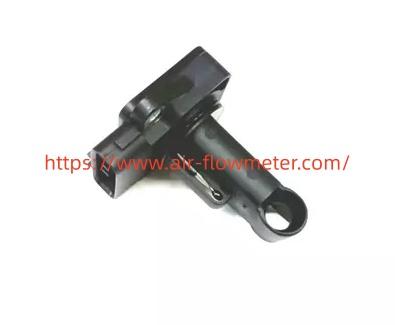
When a Mass Air Flow Meter unit inside the engine management system begins to weaken, daily driving can change in several noticeable ways. The engine may feel less smooth, response to the pedal can become uneven, and the vehicle may use more fuel than expected. These changes often show up gradually, which makes them easy to ignore at first.
One of the first signs is a shift in engine behavior during acceleration. The car may hesitate for a moment before building speed, or it may surge in a way that feels inconsistent. That happens because the engine computer is no longer receiving accurate data, so the amount of fuel delivered may not match what the engine actually needs.
Another common symptom is rough idling. A car that used to sit quietly at a stop may begin to shake, stumble, or run at an uneven speed. In some cases, the engine may even stall at traffic lights or when the vehicle slows down. This can be especially frustrating during city commuting, where frequent stopping and starting already demands more attention.
Cold starts can also become more difficult. The engine may need extra cranking time before it begins running normally. On colder mornings, the problem may feel more obvious because the system has less room for error when the vehicle first wakes up. A driver might notice the engine sounds weak or unsettled during the first few minutes of use.
Fuel use often rises when this sensing component begins to drift out of range. If the computer believes the engine is receiving less or more intake than it actually is, it may adjust fueling in the wrong direction. Over time, that can lead to more visits to the gas station and a noticeable drop in efficiency.
Dashboard alerts can appear as well. A warning lamp may light up when the engine control unit detects a signal that does not match expected values. Sometimes the vehicle still drives, but the computer may store a diagnostic code that points to the source of the problem. That is why a scan tool can be useful even when the car still seems usable.
Contamination is a frequent reason for trouble. Dust, oil residue, and other deposits can interfere with accurate readings. Wiring issues or loose connectors may also create unstable signals. In some cases, the part simply wears out after long use and stops giving dependable information.
Cleaning the sensing area can sometimes help if buildup is the main issue. A proper cleaner and careful handling may restore normal behavior when the problem is minor. If the symptoms continue after cleaning and basic checks, replacement is often the more practical path.
Drivers who notice hesitation, rough idle, stalling, or higher fuel use should treat those changes as useful clues rather than small annoyances. Early attention can help prevent more expensive repairs later and make daily travel feel more predictable again.
Brands such as Airflowmeter are often searched by buyers who want replacement options that fit different vehicle needs and support steady engine behavior. More product details and automotive component options can be viewed at https://www.air-flowmeter.com/product/ where users can explore additional choices.