English
 Arabic
 French
 Spanish
 Portuguese
 Deutsch
 Turkish
 Dutch
Dutch
 Italiano
 Russian
 Romaian
 Portuguese (Brazil)
 Greek
Greek

MSN Global IT Solutions for Professional Web Excellence
Other |
2026-03-20 12:26:50
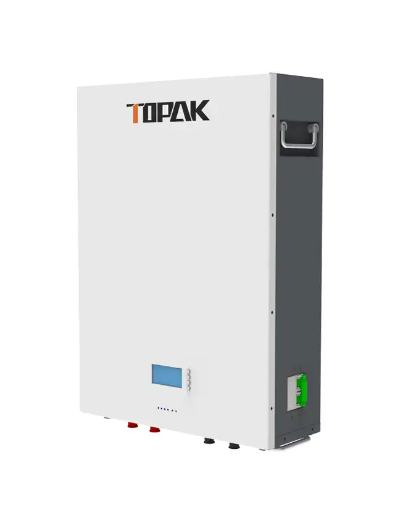
Selecting the ideal energy storage solution necessitates a nuanced understanding of electrochemical advancements. While conventional lithium-ion variants, typically utilizing nickel manganese cobalt (NMC) or lithium cobalt oxide (LCO) chemistries, have dominated the consumer electronics landscape, the lithium iron phosphate battery has emerged as a formidable contender for industrial and utility-scale applications. The primary distinction lies in the crystalline structure of the cathode. Lithium iron phosphate (LiFePO4) utilizes an olivine structure that offers significantly higher thermal and chemical stability compared to the layered structures of traditional oxides. This architectural difference translates into enhanced safety profiles, where the risk of thermal runaway is drastically reduced. Furthermore, these batteries exhibit a lifecycle that often triples that of their cobalt-based counterparts, making them a more economically viable choice for long-term projects. As global industries pivot toward sustainable and reliable power, the shift toward phosphate-based chemistry reflects a prioritization of longevity and security over sheer energy density. This technological evolution ensures that critical infrastructure remains powered by a chemistry that balances high-current discharge capabilities with a remarkably low self-discharge rate, fundamentally redefining expectations for modern energy storage performance and reliability across various demanding sectors.
Safety remains the most critical metric in energy storage, and this is where the lithium iron phosphate battery truly eclipses traditional lithium-ion alternatives. The oxygen atoms in LiFePO4 are tightly bonded to phosphorus, forming a covalent bond that is far more difficult to break than the metal-oxide bonds found in NMC or LCO chemistries. During overcharging or mechanical damage, traditional batteries are prone to releasing oxygen, which can lead to rapid exothermic reactions known as thermal runaway. In contrast, the phosphate-based chemistry maintains its structural integrity even under extreme stress or high temperatures. This inherent stability eliminates the need for overly complex cooling systems, simplifying the overall design of large-scale battery packs.
The thermal stability of LiFePO4 ensures that the battery remains cool during rapid charging and high-load discharge cycles. Unlike cobalt-based batteries that can reach critical temperatures exceeding 200°C, leading to fire risks, phosphate batteries remain stable up to nearly 500°C. This robustness makes them the preferred choice for confined spaces or environments where fire safety is paramount.
Mechanical resilience is another hallmark of this chemistry. The iron-phosphate framework resists physical deformation better than traditional layers. This means that in the rare event of a puncture or heavy impact, the chemistry is far less likely to ignite or explode, providing an extra layer of protection for operators and sensitive equipment alike.
While the initial acquisition cost of high-performance energy solutions is a factor, the total cost of ownership is where the lithium iron phosphate battery proves its dominance. Traditional lithium-ion batteries typically offer between 500 and 1,000 full discharge cycles before capacity drops below usable levels. Conversely, LiFePO4 cells frequently exceed 3,000 to 5,000 cycles while maintaining over 80% of their original capacity. This extended lifespan reduces the frequency of replacements, minimizing downtime and labor costs associated with battery maintenance. The long-term ROI is further bolstered by the battery's ability to handle deep discharges without suffering from the "memory effect" or significant degradation of the internal chemistry.
The ability to endure thousands of charge-discharge cycles without significant wear is a result of the stable crystalline structure mentioned earlier. As ions move back and forth between the anode and cathode, the host material undergoes minimal volume expansion. This prevents the microscopic fracturing of electrodes that typically plagues traditional lithium-ion cells over time.
Even when subjected to daily use in rigorous industrial settings, these batteries show a remarkably flat discharge curve. This means users get consistent power output throughout the discharge cycle, rather than experiencing the precipitous voltage drops common in older chemistries. The longevity of the cell ensures that the energy storage system remains a reliable asset for decades rather than years.
Modern procurement strategies must account for environmental impact and ethical sourcing, areas where traditional lithium-ion batteries often face scrutiny. Traditional chemistries rely heavily on cobalt and nickel—minerals associated with significant environmental degradation and complex geopolitical challenges. The lithium iron phosphate battery utilizes iron and phosphate, which are abundant, non-toxic, and easily sourced globally. This makes the production process more sustainable and less susceptible to the volatile pricing of rare earth metals. Moreover, at the end of their lifecycle, phosphate-based batteries are significantly easier to recycle. The absence of heavy metals means they pose a much lower risk to soil and water quality if handled incorrectly.
Lead-acid and many lithium-ion variants contain hazardous materials like lead, cadmium, or cobalt. Phosphate chemistry removes these toxins from the equation, aligning energy needs with corporate social responsibility goals. Using cleaner materials helps organizations meet stringent environmental regulations while reducing their overall carbon footprint throughout the product's life cycle.
Because iron is one of the most plentiful elements on Earth, the supply chain for LiFePO4 is inherently more stable. This abundance shields manufacturers and end-users from the drastic price fluctuations often seen in the cobalt market. Choosing this technology supports a more equitable global trade environment by reducing reliance on minerals sourced from regions with questionable labor practices.
The operational versatility of a lithium iron phosphate battery makes it ideal for a myriad of applications, from stationary energy storage to heavy-duty industrial vehicles. Unlike traditional lithium chemistries that may struggle in extreme heat or cold, phosphate cells maintain high performance across a wide thermal spectrum. They are notably more efficient in high-temperature environments where other lithium-ion batteries would require aggressive active cooling to prevent degradation. Additionally, the flat voltage discharge profile ensures that equipment receives a steady stream of power until the battery is nearly depleted, maximizing the utility of every charge. This reliability is indispensable for critical systems like medical backup, telecommunications, and off-grid renewable energy storage.
A consistent voltage output is vital for sensitive electronics and high-torque motors. Traditional batteries often see a gradual decline in voltage as they discharge, which can lead to reduced efficiency in the connected devices. LiFePO4 maintains a nearly constant 3.2V per cell throughout the majority of its discharge cycle, ensuring peak performance until the very end.
In regions where ambient temperatures are high, traditional lithium-ion batteries degrade rapidly due to side reactions within the electrolyte. The phosphate chemistry is significantly more inert at elevated temperatures. This characteristic reduces the energy overhead required for thermal management systems, allowing the battery to operate efficiently in outdoor installations and hot industrial warehouses without compromising its lifespan.
Founded in 2007, TOPAK Power Technology Co., Ltd. is a leading provider of industrial-grade lithium battery solutions. We specialize in customized energy storage and power solutions tailored to diverse application environments. TOPAK Power Technology Co., Ltd. is a professional lithium iron phosphate battery manufacturer and supplier in China. If you are interested in lithium iron phosphate battery, please feel free to discuss with us. Our commitment to innovation and quality ensures that every solution we provide meets the highest standards of safety and efficiency, empowering your business with reliable energy for years to come.
References:
1. Whittingham, M. S. Lithium Batteries and Cathode Materials. Chemical Reviews, American Chemical Society.
2. Padhi, A. K., Nanjundaswamy, K. S., & Goodenough, J. B. Phospho-olivines as Positive-Electrode Materials for Rechargeable Lithium Batteries. Journal of The Electrochemical Society.
3. Zaghib, K., et al. Safe and Fast-Charging LiFePO4 in Li-ion Batteries. Journal of Power Sources.
4. Andersson, A. S., & Thomas, J. O. The Source of Capacity Fade in LiFePO4. Solid State Ionics.
5. Wang, Y., & He, X. Thermal Stability and Safety Analysis of Lithium-ion Battery Chemistries. Advanced Energy Materials.
6. Armand, M., & Tarascon, J. M. Building Better Batteries. Nature.