English
 Arabic
 French
 Spanish
 Portuguese
 Deutsch
 Turkish
 Dutch
Dutch
 Italiano
 Russian
 Romaian
 Portuguese (Brazil)
 Greek
Greek

Call of Duty Mobile Season 9: Midnight Rumble Guide
Games |
2025-10-02 01:18:58
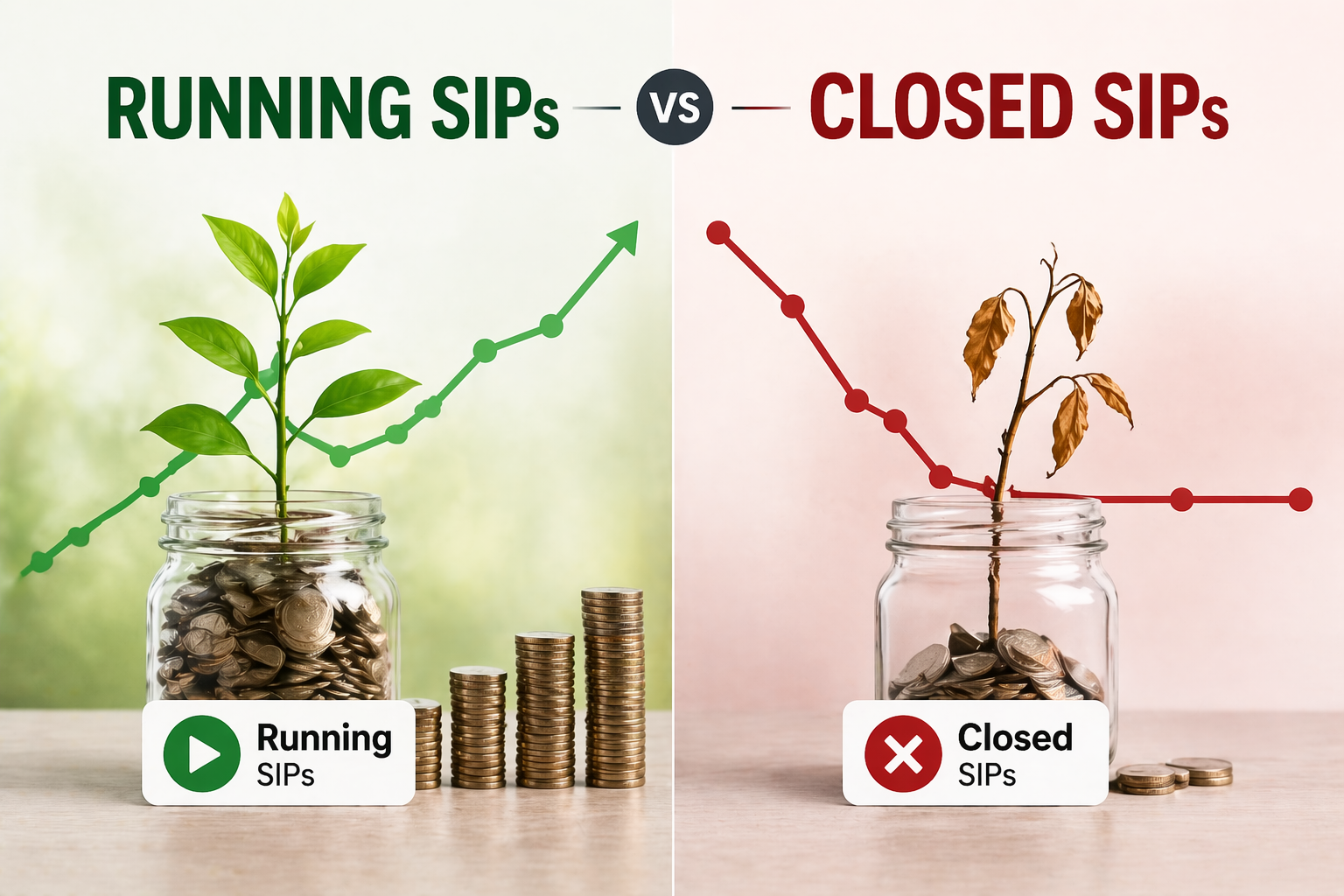
For most Mutual Fund Distributors (MFDs), SIPs are one of the most important drivers of long-term business growth. They ensure consistent investments, better client discipline, and steady AUM expansion.
But one common challenge many MFDs face is this: SIPs stop… and no one notices in time. An investor may discontinue a SIP quietly, and unless it is tracked properly, the opportunity to re-engage is lost.
This is where wealth management software in India, like Wealth Elite, plays a very important role.
With features like the SIP Business Report, MFDs can now track both running SIPs and closed SIPs within a selected date range, making it much easier to identify gaps and take action.
Understanding Running and Closed SIPs
The SIP Business Report clearly separates SIPs into two categories:
Running SIPs
● Active and ongoing investments
● Contributions happening regularly
● Show consistent investor participation
● Indicate stable and growing portfolios
Closed SIPs
● SIPs that have been stopped or discontinued
● No further contributions happening
● May indicate paused investment discipline
● Highlight clients who may need follow-up
Why This Matters for MFDs
● You see what is continuing vs what has stopped
● Easily spot gaps in SIP flow
● Identify clients to reconnect with
● Take timely action to restart investments
Why Identifying Closed SIPs Matters
A closed SIP is not just a stopped investment — it is a signal.
It may indicate:
● loss of investment discipline
● temporary financial issues
● dissatisfaction or confusion
● lack of follow-up
If these SIPs are not identified, MFDs lose the chance to:
● reconnect with the client
● understand the reason
● guide them properly
● restart the investment
Over time, this directly impacts both client portfolios and business growth.
The Challenge Without Proper Tracking
Manually tracking SIP status is difficult, especially when managing multiple clients. Common issues include:
● no clear visibility of which SIPs have stopped
● difficulty tracking changes across time periods
● dependency on multiple reports or platforms
● delayed follow-ups
As the number of SIPs increases, keeping track becomes even more complex. This is why structured reporting becomes essential.
What is The SIP Business Report?
The SIP Business Report inside the best online platform for mutual fund distributor helps MFDs track SIP activity between specific dates.
For example:
From Date: 01 April 2026 To Date: 21 April 2026
Within this selected range, the report shows:
● Running SIPs
● Closed SIPs
This gives a clear view of what is happening in the SIP book over a defined period.
Identify Closed SIPs in a Defined Time Period
One of the biggest advantages of this report is time-based tracking. Instead of looking at all SIPs together, MFDs can analyze:
● which SIPs were active during a period
● which SIPs stopped within that period
This helps answer important questions like:
● Which clients stopped investing recently?
● Is there a pattern in SIP closures?
● Are more SIPs closing than starting?
This kind of visibility is difficult to achieve manually.
Take Timely Follow-Ups
Identifying closed SIPs is useful only if action is taken. With clear data from the SIP Business Report, MFDs can:
● reach out to clients quickly
● understand the reason for stopping
● clarify doubts or concerns
● encourage restarting SIPs
● suggest better alternatives if needed
A timely follow-up can often bring the client back into disciplined investing.
Improve Client Engagement
When MFDs proactively reach out after a SIP stops, it changes the client experience. Instead of waiting for the investor, the advisor takes initiative.
This helps:
● build trust
● show active portfolio monitoring
● strengthen relationships
● improve long-term engagement
Clients feel more supported when their advisor notices and responds to such changes.
Protect and Grow SIP Business
SIPs are a long-term game. Even small SIPs contribute significantly over time when they continue consistently. When SIPs stop and go unnoticed:
● contribution flow breaks
● portfolio growth slows
● AUM gets impacted
By identifying and restarting closed SIPs, MFDs can:
● maintain investment continuity
● improve client outcomes
● protect long-term business growth
A Simple Report With Strong Impact
The SIP Business Report may seem like a simple feature, but its impact is significant. It helps MFDs:
● track SIP activity clearly
● identify closed SIPs easily
● take timely action
● improve client servicing
● strengthen business consistency
Instead of reacting late, MFDs can act early.
Final Thoughts
So, software helps identify closed SIPs, and features like the SIP Business Report make it much easier to track SIP activity between specific dates and identify discontinued investments.
By giving clear visibility into running and closed SIPs, the software helps MFDs take timely follow-ups, improve client engagement, and maintain consistent business growth.
In a business where continuity matters, identifying closed SIPs is not just helpful; it is essential.
FAQs
1. Can wealth management software show closed SIPs?
Yes. Reports like the SIP Business Report allow MFDs to identify closed SIPs within a selected date range, making tracking easier.
2. What is the benefit of tracking SIPs between specific dates?
It helps MFDs understand SIP activity during a defined period, including which SIPs started, continued, or stopped.
3. How can MFDs use this data?
MFDs can follow up with clients whose SIPs have stopped, understand the reason, and encourage them to restart investments.
4. Does identifying closed SIPs help in business growth?
Yes. Restarting SIPs helps maintain investment continuity, improve client engagement, and support long-term AUM growth.