English
 Arabic
 French
 Spanish
 Portuguese
 Deutsch
 Turkish
 Dutch
Dutch
 Italiano
 Russian
 Romaian
 Portuguese (Brazil)
 Greek
Greek

Genshin Impact 6.X – Leak zu neuen Charakteren [Tieba]
Games |
2025-10-11 00:36:12
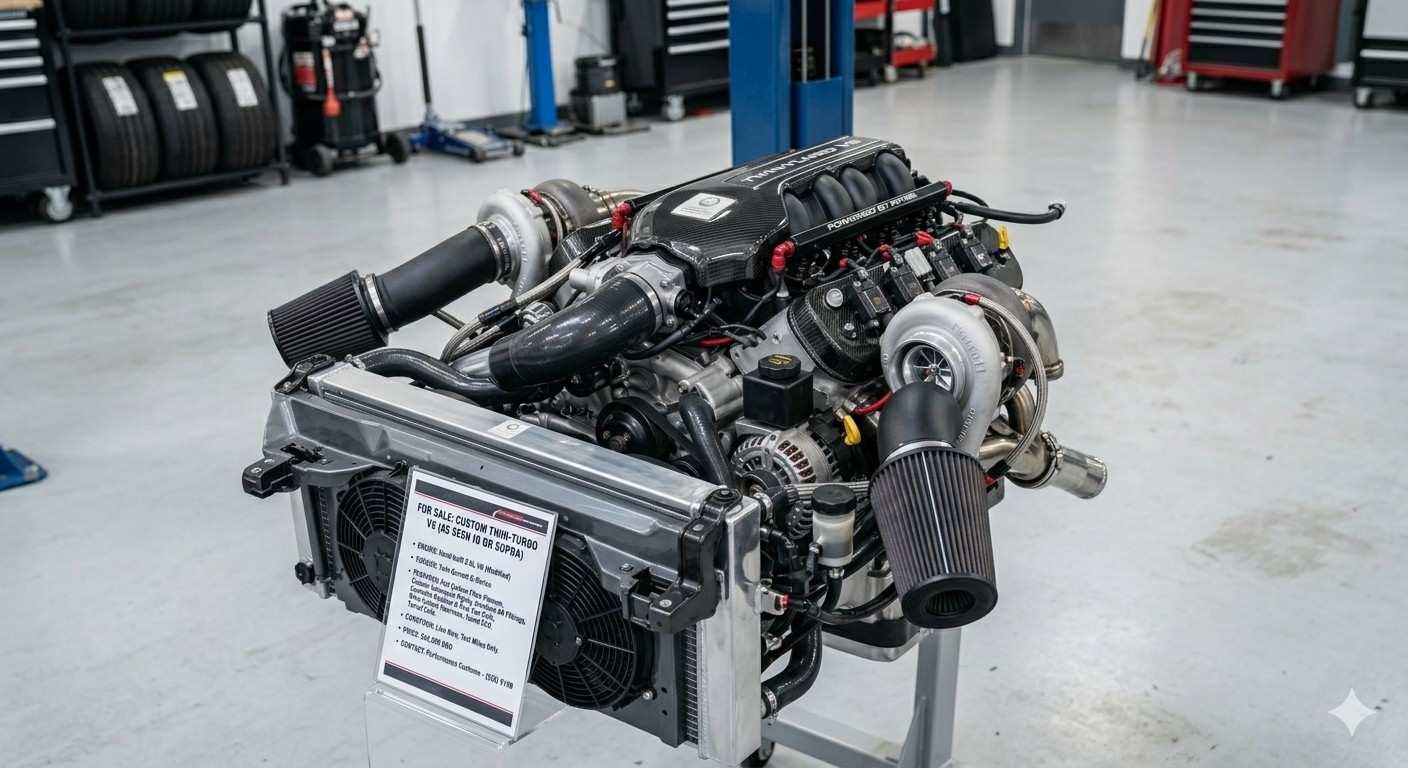
If you're searching for a BMW i8 engine for sale, you're dealing with one of the most technically advanced and architecturally unique powertrains ever fitted to a production sports car. The BMW i8 is not your typical performance vehicle, and its engine is not your typical replacement purchase. This is a precision hybrid system that blends a turbocharged three-cylinder combustion engine with a sophisticated electric motor and sourcing a quality replacement requires a level of knowledge that goes well beyond a standard engine swap.
Whether your i8's combustion engine has failed, your hybrid module needs replacement, or you're building something truly one-of-a-kind, this guide covers everything you need to know before making your purchase.
The BMW i8 uses a B38K15T0 — a 1.5-litre, three-cylinder twin-power turbo petrol engine derived from the B38 family but heavily modified for hybrid application. On its own, this combustion engine produces 228 hp and 236 lb-ft of torque. Combined with the rear-mounted electric motor producing an additional 129 hp, the i8's total system output reaches 357 hp — enough to launch the car from 0 to 60 mph in just 4.2 seconds.
What makes this engine remarkable is not raw displacement — it's engineering density. BMW extracted supercar-rivaling performance from a 1.5-litre three-cylinder by combining turbocharging, direct injection, and seamless electric motor integration into a package that also returns real-world fuel economy figures no traditional sports car can match.
The i8 was produced from 2014 to 2020, with the Roadster variant joining the coupe in 2018. Both use the same core powertrain, though software calibration and hybrid system configurations differ slightly between model years.
Before sourcing a replacement engine, it's critical to understand how the i8's powertrain is structured — because you may not need just the combustion engine.
The i8's drivetrain consists of three primary power components:
These three systems communicate constantly through BMW's hybrid management software. Replacing the combustion engine alone without addressing the hybrid control module, battery management system, or electric drive unit can result in fault codes, reduced performance, or complete hybrid system failure.
Always work with a supplier and installer who has specific experience with BMW i-series hybrid powertrains.
While the core engine remained consistent throughout i8 production, understanding the subtle differences between model years helps you source the correct unit:
If you're replacing the engine in a post-2018 facelift model, ensure the replacement unit is compatible with the updated hybrid management software — or plan for ECU recalibration as part of the installation process.
Sourcing a used i8 engine demands a higher level of scrutiny than a conventional combustion engine purchase. Here's what every buyer must evaluate:
1. Engine Code Verification Confirm the replacement unit carries the correct B38K15T0 engine code. Do not accept a standard B38 variant — the i8-specific version has unique oil routing, cooling integration, and hybrid interface connections that differ from the standard three-cylinder family.
2. Hybrid Interface Integrity The combustion engine's connection points to the hybrid control module must be undamaged. Inspect all electrical connectors, hybrid wiring harness attachment points, and coolant routing interfaces carefully.
3. Turbocharger Condition The i8's turbo operates under significant thermal stress given the engine's compact size and high output demands. Check for shaft play, inspect the impeller for damage, and listen for bearing noise before committing to purchase.
4. Compression and Leak-Down Test Three cylinders means three opportunities to identify problems. All cylinders should read within 10% of each other. Any significant deviation points to internal wear or damage.
5. Mileage and Service History The i8 was never designed as a high-mileage vehicle — most examples have relatively modest odometer readings. An i8 engine with under 40,000 miles and documented service history represents excellent value and long-term reliability.
6. Cooling System Condition The i8's combustion engine shares its cooling architecture with the battery thermal management system. Any history of overheating should be treated as a serious red flag — thermal damage can affect both the engine and the hybrid battery simultaneously.
Unlike conventional performance engines, used BMW i8 engines are relatively rare in the marketplace — for good reason. Production numbers were limited, the cars are typically well-maintained by enthusiast owners, and catastrophic engine failures are uncommon when the vehicle is serviced correctly.
This scarcity means two things for buyers: quality units do exist, but you need to move quickly when a well-documented low-mileage engine becomes available. It also means working with a specialist supplier — rather than a general-purpose salvage yard — is essential to ensure you're getting a genuine, correctly coded i8-specific unit rather than a mismatched B38 from a standard 2 Series or Mini application.
Q: How much does a used BMW i8 engine cost? Due to the i8's limited production numbers and specialist nature, used combustion engines typically range from $4,000 to $9,000 depending on mileage and condition. Full hybrid powertrain assemblies — including the electric motor and battery components — command significantly higher prices.
Q: Can I replace just the combustion engine without touching the hybrid system? In theory, yes — but in practice, any combustion engine replacement in an i8 requires hybrid system diagnostic work, software recalibration, and confirmation that the hybrid management unit recognizes the new engine correctly. Never skip the post-installation diagnostic step.
Q: Is the BMW i8 engine the same as the Mini Cooper engine? The i8 engine shares its B38 family roots with engines used in the Mini Cooper and BMW 2 Series Active Tourer, but the B38K15T0 is a heavily modified, i8-specific variant. Standard B38 units are not direct replacements for the i8 application.
Q: How long does a BMW i8 engine last? With proper maintenance — oil changes every 10,000 miles, cooling system upkeep, and timely turbo inspections — the i8's combustion engine is designed to last the life of the vehicle. Most issues arise from neglected cooling system maintenance or turbo oil starvation.
Q: Does replacing the i8 engine void the remaining warranty? If your i8 is still within BMW's warranty period or extended coverage, installing a non-OEM used engine will affect powertrain warranty coverage. Consult with a BMW dealer before proceeding on any warranted vehicle.
Q: What transmission does the BMW i8 use? The combustion engine drives through a six-speed automatic gearbox integrated with the hybrid management system. The front electric motor has its own two-speed automatic transmission. Both must be confirmed functional before and after any engine replacement.
The BMW i8 deserves more than a generic salvage yard pull from an unverified source. Turbo Auto Parts specializes in hard-to-find, specialist performance engines including the BMW i8's B38K15T0 hybrid combustion unit with full inspection, compression testing, and hybrid interface verification completed before shipment.
Their team understands the unique demands of the i8 powertrain and can guide you through compatibility confirmation, model year matching, and post-purchase technical support to ensure your installation goes smoothly from start to finish.
i8-specific B38K15T0 verified | Compression & turbo tested | Hybrid interface inspected | Warranty included | Nationwide shipping
The world's most advanced sports car hybrid deserves the world's most careful engine sourcing. Contact Turbo Auto Parts today and secure your BMW i8 engine with complete confidence.