Chemical peels have become one of the most popular skin treatments for improving texture, brightness, and overall skin clarity. They are widely used to address concerns such as acne marks, uneven tone, fine lines, and dullness. However, one of the most common concerns people have before trying Chemical Peels is whether the procedure is painful.
The idea of applying acids to the skin can sound intimidating, especially for first-timers. The truth is more nuanced. While chemical peels can cause some sensations during the process, most are not described as truly painful. Instead, they create temporary and manageable discomfort depending on the type and strength of the peel.
This article explains what chemical peels feel like, what to expect during and after the treatment, and how different skin types respond to the process.
Understanding What Chemical Peels Actually Do
Chemical peels are skin-resurfacing treatments that use specially formulated solutions to exfoliate the outer layers of the skin. These solutions may include mild acids such as glycolic acid, lactic acid, salicylic acid, or enzyme-based compounds.
The main purpose of Chemical Peels is to:
- Remove dead skin cells from the surface
- Stimulate new skin cell growth
- Improve skin texture and tone
- Reduce acne marks and pigmentation
- Refresh overall skin appearance
When applied, the solution works by loosening the bonds between dead skin cells, allowing them to shed naturally. This process reveals fresher, healthier-looking skin underneath.
Do Chemical Peels Hurt? The Simple Answer
Chemical peels are not typically described as painful, but they can cause mild to moderate discomfort depending on the strength of the peel and the individual’s skin sensitivity.
Most people experience sensations such as:
- Tingling
- Warmth
- Mild stinging
- Slight itching
These sensations are usually temporary and subside shortly after the peel is neutralized or removed.
Light Peels
Light or superficial peels are usually very tolerable. They may cause only mild tingling or no discomfort at all.
Medium Peels
Medium-strength peels may cause a stronger tingling or warming sensation that lasts a few minutes longer.
Deep Peels
Deep peels are more intensive and may involve noticeable discomfort. However, they are performed under controlled conditions with proper support to ensure comfort.
Overall, most individuals describe the experience as manageable rather than painful.
What to Expect During a Chemical Peel Session
Understanding the step-by-step process helps reduce anxiety for first-time users of Chemical Peels.
1. Skin Preparation
The skin is first cleansed to remove oil, dirt, and makeup. This ensures the peel works evenly.
2. Application of the Peel Solution
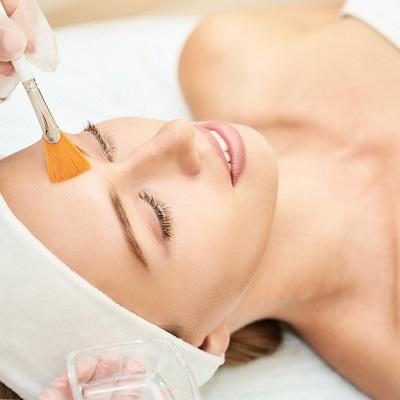
The chemical solution is gently applied to the skin using a brush, cotton pad, or applicator.
At this stage, sensations such as tingling or warmth may begin.
3. Reaction Phase
Depending on the peel type, the solution is left on the skin for a specific duration. During this time, the skin may feel:
- Warm
- Slightly tight
- Lightly stinging
These sensations are temporary and expected.
4. Neutralization or Removal
The peel is then neutralized or removed, which stops the active process and reduces sensations quickly.
5. Soothing and Hydration
After the peel, calming products are applied to help soothe the skin and restore moisture balance.
What Does Chemical Peel Sensation Feel Like?
The sensation experienced during Chemical Peels varies from person to person, but it is generally predictable.
Common Sensations Include:
- Mild tingling (most common)
- Warm sensation on the skin
- Light stinging in sensitive areas
- Tightness as the solution works
What It Does NOT Feel Like:
- It is not a burning pain in most cases
- It is not sharp or unbearable discomfort
- It does not last long after removal
Most individuals find the sensations tolerable and short-lived.
Factors That Influence Discomfort Levels
Not everyone experiences chemical peels the same way. Several factors affect how the skin reacts.
1. Peel Strength
Stronger peels naturally cause more noticeable sensations than lighter ones.
2. Skin Sensitivity
Individuals with sensitive skin may feel tingling more intensely than others.
3. Skin Condition
Compromised or irritated skin may react more strongly.
4. Treatment Area
Some areas of the face, such as around the nose or mouth, may feel more sensitive.
5. Experience Level
First-time users may feel more aware of sensations compared to those who have had previous treatments.
What Happens After a Chemical Peel?
After the treatment, the skin enters a recovery phase. This is a normal and important part of the process.
Immediately After:
- Skin may look slightly red
- A mild tight feeling may be present
- Warmth usually fades quickly
After a Few Days:
- Mild peeling or flaking may occur
- Skin begins to feel smoother
- Texture gradually improves
This recovery phase varies depending on the type of peel used.
Is There Any Real Pain After Chemical Peels?
In most cases, there is no actual pain after Chemical Peels. However, some temporary effects may occur:
- Mild sensitivity to touch
- Slight dryness
- Light redness
These effects are usually short-term and manageable with proper skincare.
Deep peels may involve more noticeable recovery sensations, but they are performed under controlled conditions and with proper aftercare guidance.
Chemical Peels in Different Environments
Environmental factors can influence how the skin responds to treatment. For example, in warm and sunny regions such as Muscat, skin may already be more prone to dryness, sun exposure, and sensitivity.
Because of this, individuals in such climates often prefer lighter Chemical Peels that provide exfoliation without overwhelming the skin barrier.
How to Make Chemical Peels More Comfortable
There are several ways to make the experience more comfortable and reduce any sensation during treatment.
1. Choose the Right Peel Strength
Starting with a mild peel helps the skin adjust gradually.
2. Keep Skin Well Hydrated
Well-hydrated skin tends to react more gently.
3. Avoid Harsh Skincare Before Treatment
Strong exfoliants or active ingredients should be avoided before a peel.
4. Relax During the Procedure
Tension can make sensations feel more noticeable, so staying relaxed helps.
5. Follow Aftercare Instructions
Proper aftercare reduces irritation and improves healing.
Who Might Feel More Sensation During Chemical Peels?
Some individuals may experience slightly stronger sensations than others, including:
- People with sensitive skin
- First-time users
- Those using stronger peel formulations
- Individuals with compromised skin barriers
Even in these cases, the sensation is usually temporary and manageable.
Final Thoughts
Chemical peels are generally not painful, but they can create mild and temporary sensations such as tingling, warmth, or slight stinging. These effects are normal and part of the skin renewal process. Most people tolerate Chemical Peels well, especially when the correct peel strength is chosen and proper preparation is followed.
Understanding what to expect helps reduce anxiety and allows individuals to approach the treatment with confidence. With the right skincare approach, chemical peels can be a comfortable and effective way to improve skin texture, clarity, and overall appearance.
Frequently Asked Questions
1. Are chemical peels painful?
Most chemical peels are not painful, but they may cause mild tingling or warmth during the procedure.
2. How long does the discomfort last during a chemical peel?
Any sensation usually lasts only a few minutes and fades after the peel is removed.
3. Which type of chemical peel is the most comfortable?
Light or superficial peels are generally the most comfortable and cause minimal sensation.
4. Is there pain after a chemical peel?
There is usually no real pain, only mild temporary redness or sensitivity in some cases.
5. Can sensitive skin handle chemical peels?
Yes, but milder formulations are recommended to ensure comfort and reduce irritation.
6. What helps reduce discomfort during chemical peels?
Proper skin preparation, hydration, and choosing the right peel strength help minimize sensations.
Read More About Chemical Peels: https://social.cigar-cloud.com/blogs/62874/What-Beginners-Should-Know-Before-Trying-Organic-Peel
 English
 Arabic
 French
 Spanish
 Portuguese
 Deutsch
 Turkish
 Dutch
Dutch
 Italiano
 Russian
 Romaian
 Portuguese (Brazil)
 Greek
Greek