English
 Arabic
 French
 Spanish
 Portuguese
 Deutsch
 Turkish
 Dutch
Dutch
 Italiano
 Russian
 Romaian
 Portuguese (Brazil)
 Greek
Greek

Atlas Pro ONTV – La plateforme IPTV premium pour un streaming sans limites
Gardening |
2025-12-14 10:04:06
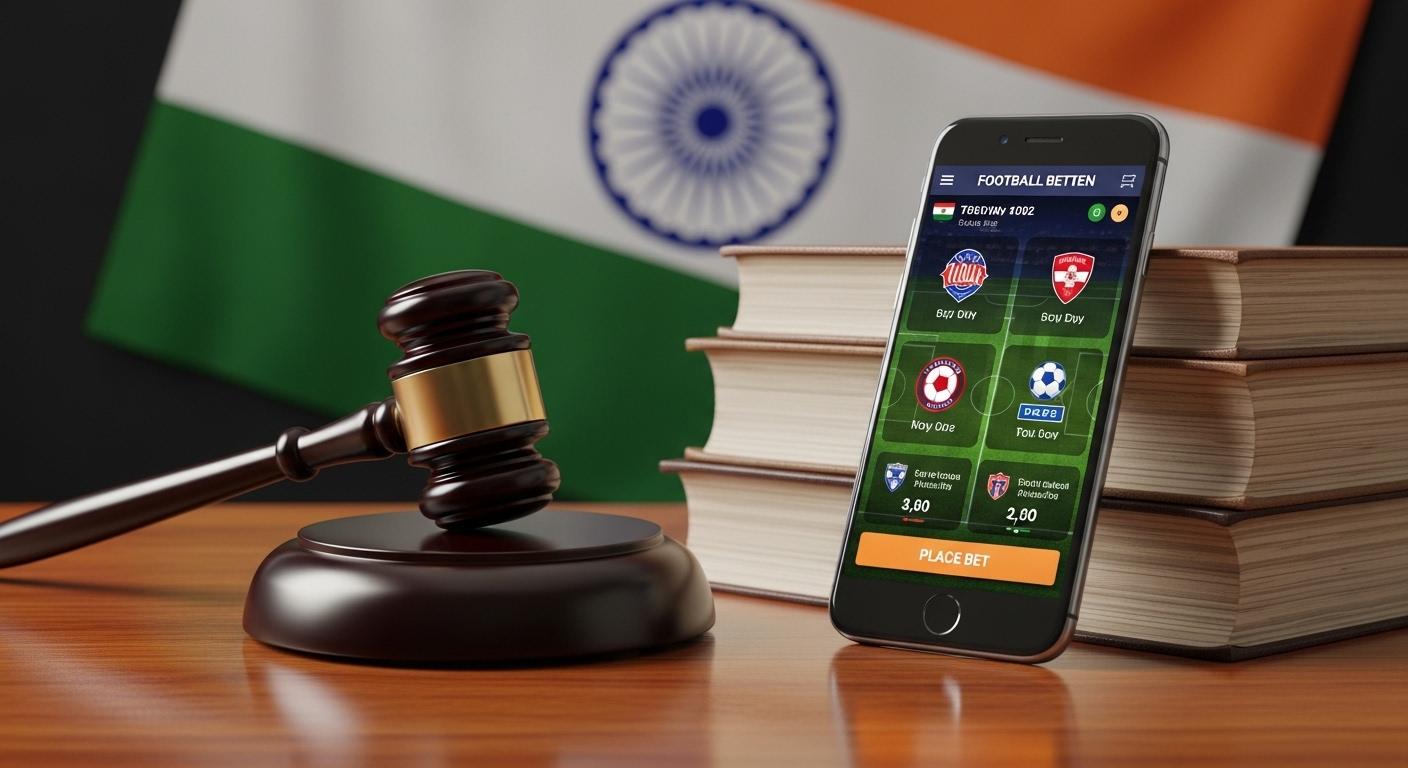
Football has witnessed a massive surge in popularity across India. Whether it is the local passion for the Indian Super League (ISL) or the global craze for the English Premier League and the Champions League, Indian fans are no longer just spectators—they want to be part of the action. This has led to a booming interest in online football betting. However, for most fans, one big question remains: "Is this actually legal, or am I going to get into trouble?"
The legal landscape of betting in India is often described as a "gray area." It is not as simple as a "yes" or "no" because our laws were written long before the internet even existed. In this guide, we will break down the latest rules, state-wise restrictions, and how you can navigate this world safely and responsibly.
To understand the legality, we first have to look at the Public Gambling Act of 1867. This is a central law from the British era that prohibits "gaming houses." However, here is the catch: it doesn't mention anything about "online" betting. Furthermore, the Indian Constitution gives each state the power to create its own laws regarding gambling and betting.
This creates a patchwork of rules across the country. In states like Goa, Sikkim, and Daman, certain forms of betting are legalized and regulated. On the other hand, states like Telangana and Andhra Pradesh have passed specific ordinances to ban all forms of online real-money gaming. For the rest of India, the lack of a modern central law means that online betting exists in a space that is technically not illegal, but not fully regulated either.
The most important distinction in Indian law is between "Games of Skill" and "Games of Chance."
Games of Skill: These are games where your knowledge, strategy, and analytical ability determine the outcome. The Supreme Court has generally ruled that these are legal businesses. This is why Fantasy Football apps (where you pick a team and earn points based on player performance) are widely available and considered legal in most states.
Games of Chance: These are activities based purely on luck, like a spinning wheel or a basic lottery. These face much stricter regulations and are often prohibited.
Football betting sits in the middle. Many argue that analyzing team form, player injuries, and tactical setups makes it a skill-based activity. However, because it involves wagering on an event outcome, it is treated more cautiously than pure fantasy sports.
Since the Indian government does not issue licenses to "online betting sites" (other than fantasy sports), many Indian users turn to international or offshore platforms. While these sites operate outside Indian jurisdiction, they often cater specifically to the Indian market by accepting Rupees and UPI payments.
When choosing a platform, you must look for "Trust Signals." This includes checking for a valid international license (like Curacao or MGA), SSL encryption (the lock icon in your browser), and transparent withdrawal policies. If you are looking for a reliable gateway to understand how these platforms operate and stay updated on the latest football trends, exploring a reputable site like gold365site.win can provide a helpful starting point. It is essential to use platforms that have a solid reputation within the Indian community to ensure your data and money stay protected.
Even though the "legality" is debated, the Indian government has made one thing very clear: if you make money from online gaming, they want their share. In 2023, the GST Council implemented a 28% GST on the full face value of bets or deposits for online gaming.
Additionally, there is the TDS (Tax Deducted at Source) rule. If you win an amount, the platform is legally required to deduct 30% tax on your net winnings before they transfer the money to your bank account. The fact that the government has set up a tax structure for these activities suggests that they are moving toward a more regulated environment rather than a total ban. Always ensure you are using a platform that complies with these tax rules, as it is a sign of a legitimate operation.
While online betting can be exciting, it is not without risks. Being aware of these can save you from a lot of mental and financial stress:
Financial Risk: Never bet more than you can afford to lose. Treat it as an entertainment expense, not a source of income.
Fraudulent Sites: There are many "fake" sites designed to steal your deposit. Always double-check reviews and ensure the site uses secure payment gateways like UPI, IMPS, or Net Banking.
Data Privacy: Only share your Aadhaar or PAN details with verified platforms that have a clear privacy policy.
Addiction: The fast-paced nature of football betting can be addictive. Set time limits for yourself and never "chase losses."
If you are in a state where online gaming is not explicitly banned, here are some best practices:
Use Local Payments: Stick to sites that offer UPI (GPay, PhonePe). It’s faster and allows you to keep a clear record of your transactions.
Verify Your Identity: Complete your KYC (Know Your Customer) immediately. This ensures that you won't face issues when trying to withdraw your winnings later.
Start Small: If you are new, start with small amounts to understand how the "odds" work and how the platform processes withdrawals.
Stay Informed: Keep an eye on your local state's news. Laws in India can change overnight, and you should always stay on the right side of the law.
Conclusion
So, is football betting legal in India? The answer is that it is a complex, evolving landscape. While there is no central ban on online betting, state laws play a huge role. Fantasy sports have paved the way for more "skill-based" acceptance, and the new tax laws show that the government is looking to organize the sector.
The key for any Indian fan is to be "Smart and Safe." Do your research, choose reputable platforms, pay your taxes, and most importantly, know your limits. As long as you treat it as a disciplined hobby rather than a gamble, you can enjoy the beautiful game with an extra layer of excitement.
Frequently Asked Questions (FAQ)
1. Can I go to jail for online betting in India?
There are no reported cases of an individual being prosecuted for simply placing a bet on an international website from a state where it isn't explicitly banned. However, "operating" an illegal betting house is a serious crime.
2. Is Dream11 the same as football betting?
Not exactly. Dream11 is a "Fantasy Sport," which the Supreme Court of India has specifically labeled as a "Game of Skill." It is legal in most Indian states, whereas "Match Winner" betting is still in a gray area.
3. Why do some betting apps not work in my state?
If you are in Telangana, Andhra Pradesh, Odisha, or Assam, you might find that many apps are blocked. This is because these states have specific local laws that prohibit all forms of real-money online gaming.
4. How do I withdraw my winnings to my Indian bank account?
Most platforms allow you to withdraw via IMPS or UPI. You will usually need to provide a PAN card or Aadhaar card for KYC before the first withdrawal is processed to comply with Indian tax laws.
5. Are my winnings taxed if I win a small amount?
The 30% TDS rule generally applies to "net winnings." Most platforms automatically calculate this. Even if the platform doesn't deduct it, you are legally required to declare "Income from Other Sources" when filing your ITR.