English
 Arabic
 French
 Spanish
 Portuguese
 Deutsch
 Turkish
 Dutch
Dutch
 Italiano
 Russian
 Romaian
 Portuguese (Brazil)
 Greek
Greek

Acai Berry Market to Reach USD 3.9 Billion by 2036
Other |
2026-03-23 12:52:23
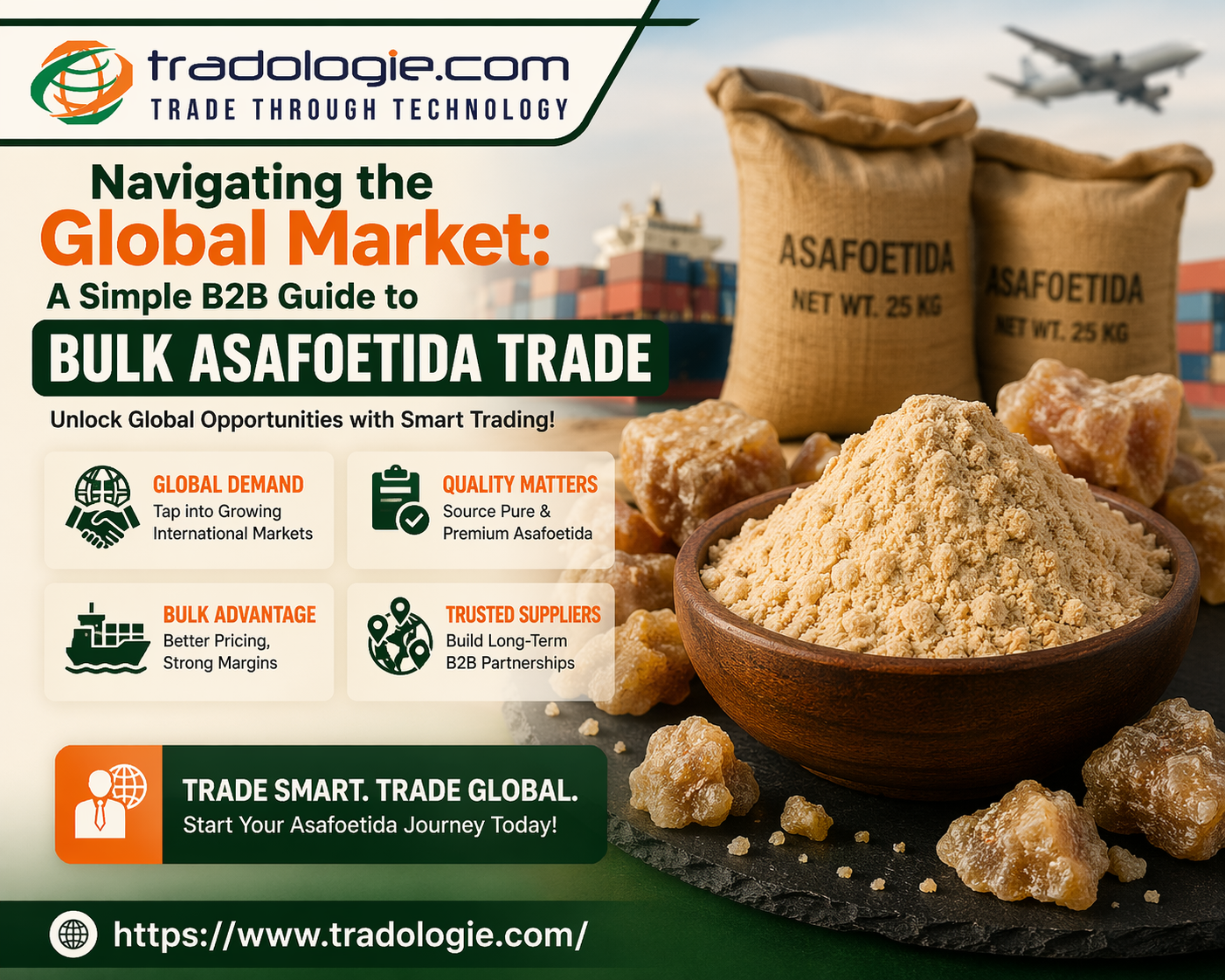
Asafoetida is a unique spice. It is an oleo-gum-resin. This means it is a natural mix of plant oils, gums, and tough resins. It is a very important part of the global spice market. It has a very strong and distinct smell. This smell changes how foods and medicines are made all over the world. We get this resin from the deep roots of the Ferula plant. This plant creates a very complex global supply chain.
Many buyers want to buy hing asafoetida powder in bulk. Wholesale food distributors also need large amounts of this spice. To do this well, you must understand the market first. You need to know exactly where the raw plant grows. You also need to know how factories in India process it. This guide will help you understand the whole process. We will look at farm origins and global prices. We will also look at the strict quality rules for international trade.
To succeed in this market, you must learn about the farm side first. The Ferula plant grows in very harsh places. It likes the dry, rocky mountains of Central Asia. The main farming countries are Afghanistan, Tajikistan, and Uzbekistan.
The Food and Agriculture Organization (FAO) studies plants in these dry climates. They note that growing Ferula takes a lot of hard, manual work. The plant relies heavily on exact weather patterns to survive. Farmers cannot harvest it right away. The plant root must grow for about four to five years. Only then is it ready. Farmers must carefully cut the root of the grown plant. A milky liquid slowly drips out. This liquid hardens when the dry air hits it.
This raw resin is incredibly strong. It evaporates very easily. You cannot eat it in this raw state. It will burn your mouth. Therefore, it must be exported in its raw, hard shape first. Then, it starts a long journey across borders. It changes from a harsh farm product into a safe, balanced spice.
Central Asia grows the raw material. However, India is the true world leader in making the final spice. The Hathras district in Uttar Pradesh is famous for this work. It is the absolute heart of asafoetida making. The dry weather there helps the process.
Hing asafoetida exporters in India use skills passed down for many generations. They mix the raw resin very carefully. Because the raw resin is far too strong on its own, Indian factories must blend it. They mix the pure resin with safe, edible starches. Wheat flour and rice flour are very common choices. They also use edible plant gums, like gum arabic. This gum acts like a natural glue to hold the powder together.
This blending process is vital. It does several important things for the final product:
Controls the Oil: It traps the strong essential oils so they do not vanish.
Spreads the Flavor: It ensures every spoonful tastes exactly the same.
Extends Life: It makes the spice last much longer on a warehouse shelf.
Perfects the Size: It creates a smooth powder size for large food factories.
Stops Clumping: It keeps the powder dry during long ocean boat rides.
Matches Tastes: It changes the heat level to match what different countries want to eat.
Money matters deeply in the B2B spice trade. The import hing asafoetida powder price goes up and down quite a bit. You have to look at the global economy and local farms to understand why. Prices update almost every quarter.
The raw resin comes from tough, remote regions. If a harvest fails in Afghanistan, the whole world feels it. A bad drought can ruin an entire crop. A lack of farm workers can also hurt the total yield. When this happens, the price of the final Indian powder shoots up.
Global trade numbers show us exactly who buys the most. Only a few countries buy the vast majority of it. The United States, Tanzania, and Bangladesh are the top buyers today. Together, they buy about 84% of all exported asafoetida.
Let us look at a few main reasons why bulk prices change:
Raw Supply Issues: Bad farm weather equals higher starting prices.
Mixing Rules: Pure resin costs a lot more. Powders with more flour cost less.
Money Values: The exchange rate between the US Dollar and Indian Rupee changes daily. This directly changes your final contract prices.
Shipping Costs: The price of ocean containers also adds to the final import bill.
Buying huge amounts of spice is tricky work. There are many factory makers, trade agents, and middlemen involved. You need to find honest bulk hing asafoetida suppliers. This is the only way to keep your food business running smoothly.
In B2B trade, a good supplier must control their entire process. They need to show you how they buy the raw Afghan resin. They also need to show how they manage the final packaging. Buyers should ask for video tours of the factory.
When you look at Indian partners, always pick direct makers. Try to avoid traders who just buy from other factories. Direct makers are much more honest about their work. They can track every single batch they make. They can also mix custom recipes just for your brand. Your business might need huge 25-kilogram bags for a soup factory. Or, you might need small, branded bottles to sell in a grocery store. A great supplier can do both of these jobs. They will meet your size needs and ship the product on time.
The hing asafoetida B2B trade needs very smooth shipping rules. It is not like selling small items in a local shop. Bulk export needs careful shipping container planning. You also need a lot of correct legal paperwork. Ocean freight takes 30 to 45 days. Good exporters know how to keep strong spices safe for that long. They use special bags to keep all sea moisture out. This keeps the strong smell safe during the long travel.
|
What You Need |
Basic Industry Standard |
Best Exporter Standard |
|
Order Size |
100 kg to 500 kg minimum |
Very flexible (1 sample to full containers) |
|
Packaging |
Normal woven plastic bags |
Special food-grade vacuum bags |
|
Recipe Mixing |
Normal, ready-made store mixes |
Custom oil and flavor level mixes |
|
Paperwork |
Simple bill and packing list |
Full health, test, and origin papers |
Good B2B deals use this clear setup. It stops annoying delays at the customs ports. It also helps the buyer use the spice right away when it arrives.
Trust is a huge factor in the global farming trade. You build this trust with official certificates. Strict rules control the whole asafoetida trade.
The Agricultural and Processed Food Products Export Development Authority (APEDA) is very important here. APEDA is a helpful Indian government group. They watch and help guide all spice exports. They ensure the spice is safe before it leaves the country.
Top suppliers follow these strict quality rules happily. They have science labs inside their factories. They test the spice to check the exact oil levels. They check for ash content. Ash content means finding dirt or dust in the spice. They make sure none of that is in the final product.
Important Certificates You Must Look For:
FSSAI: This is India's basic food safety and health rule.
Agmark: This is an Indian farming mark. It proves the item meets good, clean standards.
ISO 22000 / HACCP: These are world rules for safe food making in factories.
Plant Health Papers (Phytosanitary): APEDA helps factories get these. They prove the spice has no live bugs or plant diseases inside it.
People all over the world are eating differently now. Many people are eating vegan diets. They want rich, natural flavors without using meat. Asafoetida is growing in popularity because of this. It often replaces onion and garlic in many recipes.
Modern buyers want very clean and safe ingredients. They want to know exactly where the farm is located. Good bulk buyers now ask for proof of fair farming practices. They want to know the farmers in Central Asia are treated well.
Also, private labeling is getting very big right now. This helps wholesale buyers make much more money. Instead of buying giant bags to repack, they ask Indian factories for help. The Indian factory packs the powder into small jars. The jars get the buyer's own custom logo. This saves the buyer a lot of time and money. By watching these food trends, you can grow fast. Work with good, certified Indian makers. This will help your business win big in the global spice market.