English
 Arabic
 French
 Spanish
 Portuguese
 Deutsch
 Turkish
 Dutch
Dutch
 Italiano
 Russian
 Romaian
 Portuguese (Brazil)
 Greek
Greek

Personal Finance for Millennials Blogging Market Insights
Other |
2026-04-16 11:16:14
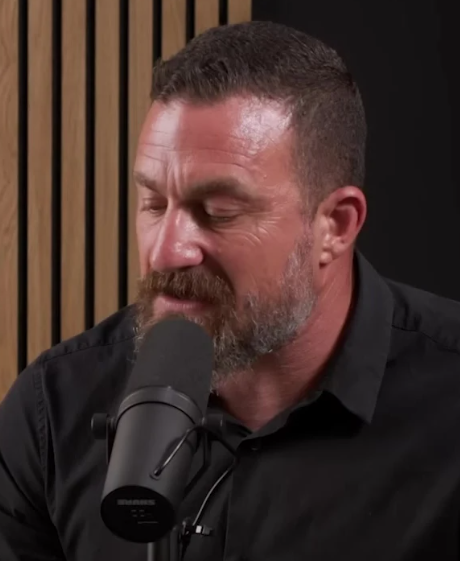
Burnout is not simply being tired or overworked. Dr. Andrew Huberman, Stanford professor of neurobiology, describes it as a fundamental mis-calibration of your brain’s threat detection system. Deep within your skull lies a network of neural circuits designed to keep you alive by constantly scanning for danger. In a healthy brain, these circuits activate when a real threat appears and then switch off when the danger passes. But chronic stress tricks this system into staying permanently online. Your amygdala becomes hyperactive, your prefrontal cortex loses its ability to calm things down, and your body remains in a state of low-grade alarm. The result is exhaustion, cynicism, and the feeling that nothing you do matters. Huberman’s approach to beating burnout targets these specific neural circuits, retraining your brain to distinguish between genuine threats and the endless noise of modern life.
Your amygdala is roughly the size and shape of an almond, but do not let its small size fool you. This structure is your brain’s primary threat detector, capable of triggering a full stress response in milliseconds. Under normal conditions, the amygdala learns to ignore harmless stimuli while remaining sensitive to real dangers. Burnout flips this switch. Your amygdala becomes sensitized, firing false alarms at emails, notifications, casual comments, and even the mere anticipation of a stressful event. Huberman explains that this sensitization is a form of neural learning—your brain has simply practiced the wrong pattern too many times. The good news is that what has been learned can be unlearned. By deliberately exposing yourself to low-level stressors while remaining calm, you can teach your amygdala to lower its volume and reserve its alarms for truly dangerous situations.
One of Huberman’s most powerful tools for recalibrating threat detection is a practice called interoception—the ability to sense what is happening inside your own body. Burnout often involves a disconnection from physical sensations. You feel exhausted but do not notice your shallow breathing. You feel anxious but ignore your racing heart. By deliberately turning your attention inward, you can catch your threat detection system in the act of firing a false alarm. Andrew Huberman recommends a simple five-minute daily practice: lie down or sit quietly, close your eyes, and notice your heartbeat, your breath, and any areas of tension. Do not try to change anything. Just observe. Over time, this practice strengthens the insula, a brain region that helps your prefrontal cortex regulate the amygdala. You become better at recognizing the early physical signs of stress before they spiral into full burnout.
If the amygdala is the gas pedal for stress, your prefrontal cortex is the brake. This region, located right behind your forehead, is responsible for rational thinking, planning, and impulse control. Crucially, it also sends calming signals to the amygdala when it detects that a perceived threat is not actually dangerous. Burnout weakens this braking system. Your prefrontal cortex becomes fatigued and less able to override the amygdala’s false alarms. Huberman emphasizes that strengthening this brake requires active practice. Each time you notice a stress response and deliberately take slow, deep breaths or reframe the situation rationally, you are exercising your prefrontal cortex. Think of it as a muscle. The more you use it to calm yourself down, the stronger and faster it becomes at shutting down false alarms before they drain your energy.
Your hippocampus is best known for its role in memory, but Huberman highlights another critical function: providing context to threat detection. The hippocampus tells your amygdala whether a potential threat is happening right now or is just a memory, whether you are in a safe place or a dangerous one, and whether this situation resembles past experiences that turned out fine. Burnout impairs hippocampal function, making it harder to place stressors into proper context. A work email feels as threatening as a physical attack. A minor mistake feels as catastrophic as a major loss. Huberman recommends strengthening your hippocampus through two specific practices: regular aerobic exercise, which promotes hippocampal neurogenesis, and spatial navigation, such as walking in new environments without using GPS. A healthier hippocampus provides richer context to your threat detection circuits, helping them realize that most modern stressors are not life-threatening.
When your threat detection circuits are already firing, you need an intervention that works within seconds. Huberman’s physiological sigh is that intervention. Take two quick inhales through your nose, followed by a long, slow exhale through your mouth. Repeat two to three times. This breathing pattern rapidly reinflates collapsed air sacs in your lungs, lowers carbon dioxide levels, and activates the vagus nerve, which directly signals your amygdala and brainstem to reduce threat signaling. The physiological sigh is not a long-term fix, but it is an invaluable tool for interrupting a stress spiral before it consumes your entire afternoon. Use it the moment you notice your jaw clenching, your shoulders rising, or your thoughts racing. You are essentially pressing a reset button on your threat detection circuits, buying your prefrontal cortex enough time to engage its rational calming strategies.
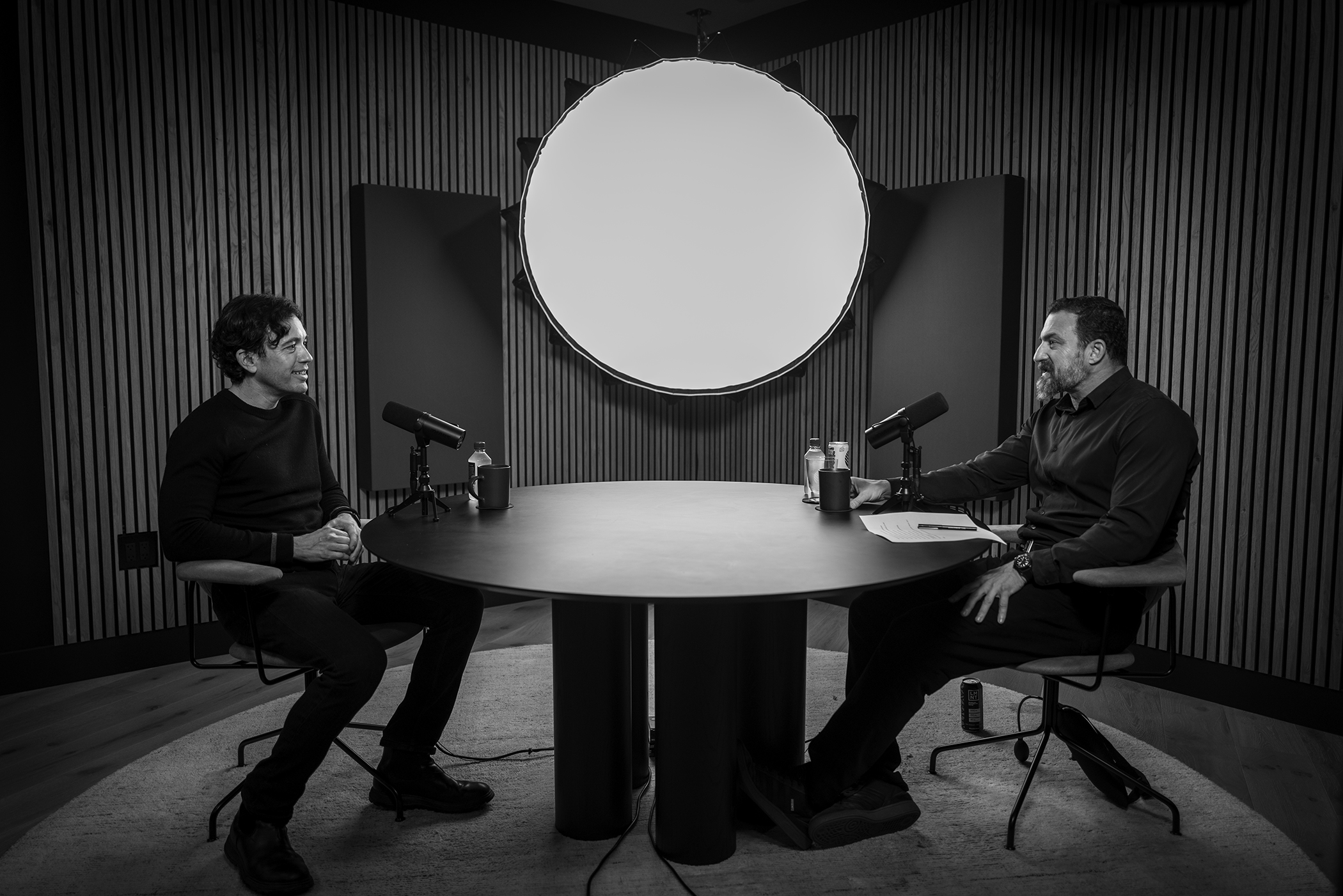
Many people experience burnout not from responding to actual threats but from anticipating them. Your brain’s threat detection circuits can activate simply by imagining a difficult conversation, a looming deadline, or a negative outcome. This anticipatory anxiety keeps your stress system running for hours or days before an event even occurs. Huberman explains that anticipation engages the same neural circuits as the event itself, meaning your brain cannot easily tell the difference between rehearsing a stressful meeting and actually being in it. The solution is to limit anticipatory rehearsal. When you catch yourself spinning out about a future event, deliberately shift your attention to a sensory anchor—the feeling of your feet on the floor, the sound of your breathing, the sight of a plant on your desk. You are training your threat detection circuits to activate only when a threat is truly present, not when you simply imagine one.
Finally, Huberman stresses that the first thirty minutes of your day set the tone for your threat detection circuits for the entire remaining hours. If you wake up and immediately check emails, scroll through social media, or listen to stressful news, you are essentially priming your amygdala to fire false alarms all day. Instead, build a low-threat morning routine that signals safety to your nervous system. Get morning sunlight without looking at your phone. Drink water. Move your body gently. Eat a quiet breakfast. Delay caffeine for ninety minutes. Delay digital input for at least fifteen to thirty minutes. This morning buffer tells your brain that you are not under attack, that the world is safe enough to power down its threat detection circuits. Over weeks and months, this consistent morning safety signal gradually lowers your baseline stress level, making you far more resilient to the inevitable challenges that arise later in the day.