English
 Arabic
 French
 Spanish
 Portuguese
 Deutsch
 Turkish
 Dutch
Dutch
 Italiano
 Russian
 Romaian
 Portuguese (Brazil)
 Greek
Greek

Global Transparent Conductive Oxide Market Outlook 2026–2034: AZO Emerging as a Sustainable Alternative to Indium Tin Oxide
Other |
2026-05-22 13:01:29
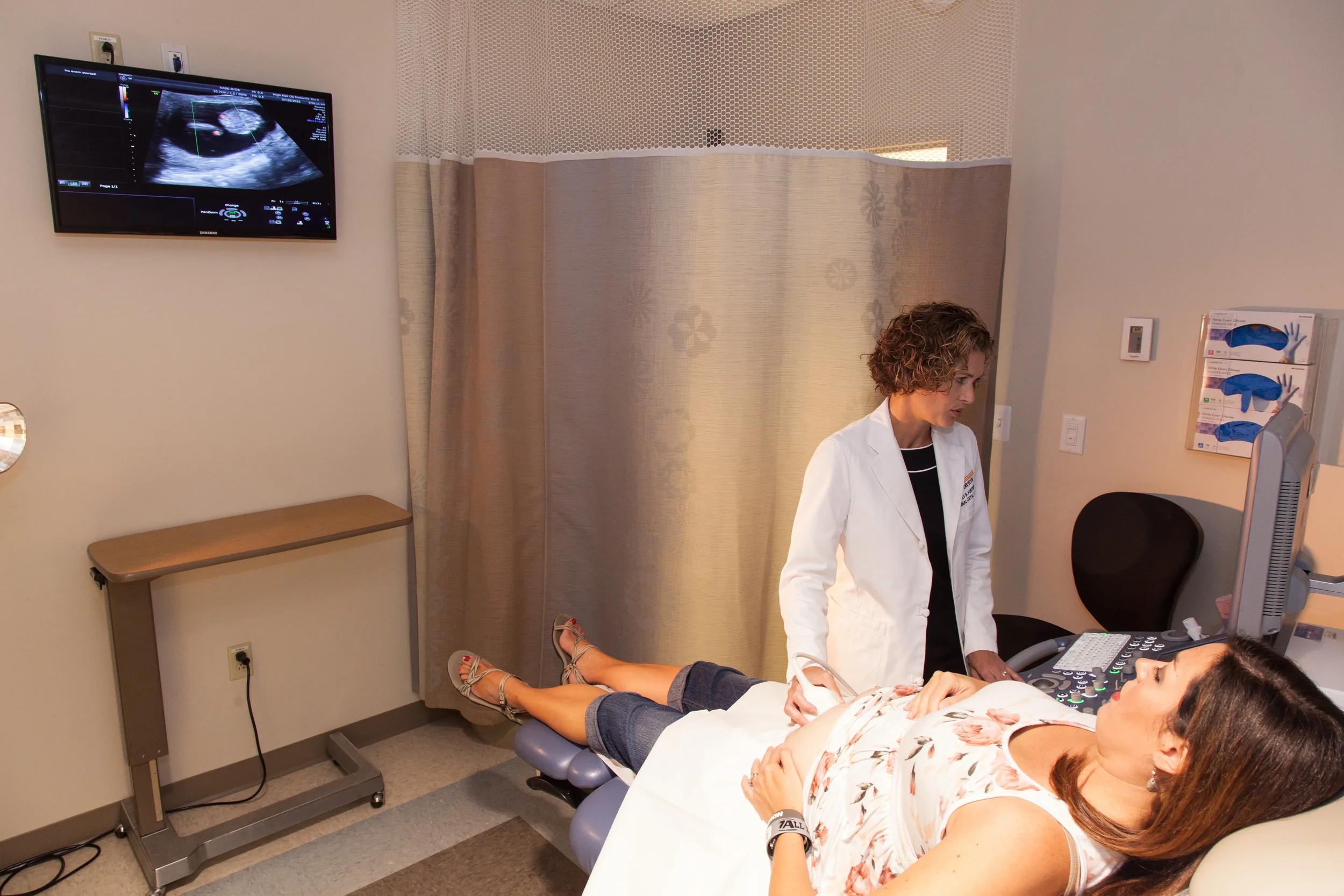
Pregnancy is one of the most joyous experiences in life, but it can also bring uncertainty and concern, especially when it comes to the health of both the mother and the baby. Early detection of any potential risks is critical in ensuring that both mother and baby receive the care and attention they need for a healthy journey. One of the key ways healthcare professionals can monitor and manage risks during pregnancy is through screenings that detect potential issues early.
From routine ultrasounds to advanced genetic screenings, several pregnancy screenings can help identify risks before they become serious problems. In this blog, we’ll explore some of the essential pregnancy screenings that help detect risks early, allowing for timely interventions and a healthier pregnancy.
Early screening tests are a vital part of prenatal care as they help detect potential risks and complications before they worsen. These tests provide valuable insights that allow healthcare providers to:
Identify genetic and chromosomal conditions such as Down syndrome
Monitor the baby’s development and growth
Detect potential complications like gestational diabetes and preeclampsia
Plan for any necessary medical interventions if a risk is identified
By identifying these risks early on, doctors can take preventive measures, provide specialized care, and ensure the best possible outcomes for both the mother and the baby.
Ultrasounds are one of the most commonly used tools during pregnancy. They help monitor the development of the baby and are typically performed at various stages during pregnancy. Here are the key ultrasounds during pregnancy:
First Trimester Ultrasound (6–8 Weeks): This scan confirms the pregnancy, determines the due date, and checks for a healthy fetal heartbeat.
NT Scan (11–14 Weeks): The nuchal translucency scan measures the fluid at the back of the baby’s neck, which helps assess the risk of chromosomal abnormalities such as Down syndrome.
Anomaly Scan (18–22 Weeks): This detailed ultrasound checks for any structural defects in the baby’s organs, including the heart, spine, brain, and kidneys. It’s an essential part of monitoring fetal development.
Growth Scans (28–32 Weeks): These scans track the baby’s growth, amniotic fluid levels, and the placenta’s health.
Ultrasounds are crucial for detecting structural abnormalities, monitoring growth, and confirming the overall health of the fetus.
Genetic screening plays an essential role in detecting chromosomal abnormalities that could affect the baby’s health. Here are some common types of genetic screenings and tests:
A combination of blood tests and ultrasounds is often used in the first trimester to assess the risk of chromosomal conditions such as Down syndrome and trisomy 18. These tests look at specific proteins and hormones in the mother’s blood that can indicate whether the baby is at higher risk for these conditions.
One of the most advanced genetic screenings is the NIPT Test in Chandigarh, which analyzes fetal DNA found in the mother’s blood. This test can assess the risk of common genetic disorders, including Down syndrome, trisomy 18, and trisomy 13, with a high degree of accuracy. The NIPT Test in Chandigarh is non-invasive, meaning there’s no risk to the baby, making it a preferred choice for many expecting parents.
NIPT is usually recommended for women who are at a higher risk, such as those over 35 or those with a family history of genetic conditions. It can be performed as early as 10 weeks of pregnancy, making it an ideal screening tool for early risk assessment.
While NIPT offers a non-invasive alternative, amniocentesis and CVS are diagnostic tests that provide definitive results. Amniocentesis involves taking a sample of amniotic fluid, while CVS involves taking a sample of placenta tissue. Both procedures help detect chromosomal abnormalities, and while they carry a slight risk of miscarriage, they are highly accurate.
High blood pressure and diabetes can affect both the mother and baby, leading to complications like preeclampsia, gestational diabetes, and low birth weight. Early detection of these conditions can help manage them effectively.
Blood Pressure Monitoring: High blood pressure can lead to serious complications, including preeclampsia, which can cause premature birth, organ damage, and other health issues. Regular blood pressure monitoring is essential to detect and manage hypertension.
Glucose Screening: Around 24 to 28 weeks, pregnant women are typically screened for gestational diabetes. This condition can cause the baby to grow too large, leading to complications during delivery. Early screening allows for timely intervention and management of glucose levels.
Fetal heart monitoring is essential for checking the baby’s heart rate and ensuring proper circulation and oxygen levels. Abnormalities in the fetal heart rate may indicate potential complications, including distress or abnormalities in the baby’s heart development.
In high-risk pregnancies, doctors may use continuous fetal heart monitoring to closely track the baby’s heart rate during labor or later stages of pregnancy. This test is especially important for women who have health conditions like diabetes or hypertension.
Early screening tests help identify potential complications that could affect the mother or baby. Early detection allows doctors to implement interventions such as:
Changing the mother’s diet or medication
Close monitoring of the pregnancy
Planning a cesarean section if necessary
Timely intervention can prevent more severe complications later in the pregnancy.
Knowing the risks early allows expecting parents to make informed decisions. If a risk is identified, parents can discuss treatment options, plan for special care during delivery, and make any necessary preparations for their baby’s health after birth.
The uncertainty of pregnancy can lead to anxiety, especially when risks are unknown. Early screenings provide clarity and allow parents to understand whether any medical concerns need attention. This early knowledge can reduce stress, giving expecting parents peace of mind and confidence in their pregnancy journey.
While prenatal screenings provide essential information about the baby’s health, many expecting parents may be concerned about the costs. The NIPT Test Cost in Chandigarh can vary depending on the clinic and the specific test chosen. However, considering the high accuracy and non-invasive nature of the test, many find it to be a worthwhile investment for peace of mind.
The costs for other prenatal screenings, such as first-trimester blood tests or amniocentesis, also depend on the type of test and the clinic. Some health insurance plans may cover the cost of these tests, especially if they are medically necessary, but it’s always a good idea to check with your insurance provider beforehand.
While every pregnancy can benefit from early screenings, certain women may be at higher risk and, therefore, should consider additional testing:
Women over 35 years of age
Women with a family history of genetic conditions
Women who have had previous pregnancies with complications
Women with certain medical conditions such as diabetes, hypertension, or thyroid disorders
It’s important to consult with your healthcare provider about which screenings are necessary based on your health and pregnancy history.
Pregnancy is an exciting time, but it also comes with its share of concerns. Early screenings play a crucial role in detecting potential risks and complications, allowing for timely interventions that improve the chances of a healthy pregnancy and baby.
From routine ultrasounds to advanced genetic screenings like the NIPT Test in Chandigarh, these tests provide vital information about the baby’s development and can help parents make informed decisions. By opting for early screening, you can gain peace of mind, reduce the risk of complications, and ensure the best possible care for both mother and baby.
If you're considering genetic screening, such as the NIPT Test Cost in Chandigarh, speak to your doctor to determine the best options for your unique pregnancy. Early detection is key to ensuring a safe and healthy journey to parenthood.