Every brand faces a fundamental tension. Make something beautiful, and it might cost too much. Make something indestructible, and it might look like a toolbox. Make something affordable, and people might question the quality. Most brands pick one of these three pillars to focus on and let the others slide. Premium brands chase design and durability but charge accordingly. Budget brands go for price and sacrifice everything else. SOKANY has attempted something harder—balancing all three at once. Not perfectly, perhaps, but well enough that millions of customers have decided the tradeoffs are worth it. Let me walk you through how SOKANY navigates this triple constraint, where they excel, where they compromise, and why their particular balance has struck such a chord with everyday buyers.
Design That Prioritizes Function Over Fashion
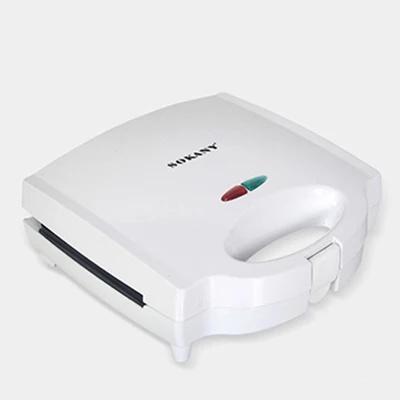
Walk into any kitchen appliance showroom, and you will see products that look like modern art sculptures. Curved glass, hidden touch panels, colors that change with the light. They are gorgeous. They are also expensive, and sometimes frustrating to use when form interferes with function. SOKANY made a deliberate choice early on. Their design language would be clean, simple, and functional rather than fashionable. You will not find glowing LED rings or mirror finishes that show every fingerprint. What you will find are handles shaped to fit a human hand, buttons large enough to press without looking, and displays that show temperature and time in plain numbers. This approach keeps manufacturing costs down because complex curves and special finishes require expensive molds and slower production. It also keeps users happy because the appliance does what it is supposed to do without fighting you. SOKANY’s design is not going to win any awards at a furniture fair, but it will look perfectly fine on your counter for years without feeling dated.
Durability Born From Smart Material Choices
Durability does not happen by accident. It comes from selecting the right materials and refusing to substitute cheaper alternatives when no one is looking. SOKANY’s blenders use stainless steel blades that resist rust and hold an edge through hundreds of uses. Their kettles feature heating elements sheathed in food-grade metal rather than exposed coils that scale up and fail. Their hair dryers incorporate thermal fuses that cut power before the motor burns out, a feature that adds pennies to the cost but saves the entire device. Where SOKANY saves money is not in the critical components but in the non-essential areas. The plastic housing might be a standard grade rather than a premium textured finish. The cord might be long enough but not extra long. The packaging might be functional rather than luxurious. These are smart compromises that protect the parts of the product that matter most while reducing cost where customers barely notice the difference.
Price Positioning That Avoids Both Extremes
Look at SOKANY’s price tags, and you will notice something interesting. They are not the cheapest option on the shelf, but they are rarely the most expensive either. A SOKANY air fryer might cost forty dollars where a premium brand charges one hundred and a generic sells for twenty-five. This middle positioning is deliberate. SOKANY knows that the twenty-five dollar generic is probably using a weaker heating element and thinner non-stick coating. It will work for a while, but the coating will flake, the heating will become uneven, and the customer will feel frustrated. They also know that the one hundred dollar premium brand offers genuine quality improvements, but many households cannot or will not pay that much for an air fryer. The forty dollar SOKANY model sits in the sweet spot. It costs more than the generic, but the customer can see and feel the difference. It costs less than the premium brand, but the customer does not feel like they are settling for junk. This pricing balance requires confidence in the product’s quality, because customers who feel ripped off at forty dollars will never come back.
Manufacturing Tradeoffs That Make Sense
No product at this price point can be best in class at everything. SOKANY makes intentional tradeoffs in their manufacturing process to hit their target balance. They use automated assembly lines for high-volume products, which reduces labor costs but requires large production runs. They standardize components across multiple products, so the same motor might appear in three different appliances, spreading development costs. They consolidate shipping to fill containers completely, which lowers freight costs per unit. Where do they not cut corners? On any component that affects safety or core performance. The thermal cutoff in a SOKANY heater is the same quality as in a premium brand. The blade assembly in their blender undergoes the same hardness testing. The difference is in the frills—the extra plastic trim, the fancy packaging, the multi-color LED display. SOKANY has learned exactly where they can save money without the customer ever feeling shortchanged.
Real World Testing Before Market Release
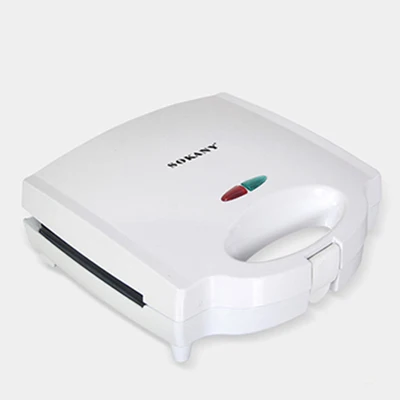
One of the smartest things SOKANY does happens before a product ever reaches a store shelf. They send early units to a network of testers—home cooks, small salon owners, hotel housekeeping managers. These testers use the products exactly as real customers would, often for weeks or months. Then SOKANY collects the feedback. Does the handle get uncomfortably hot? Does the cord kink when wrapped? Does the non-stick coating start showing wear after fifty uses? Issues that would never show up in a factory test become obvious in real world conditions. SOKANY then goes back and tweaks the design before full production. This process costs time and money upfront, but it prevents costly returns and unhappy customers later. It also means that when you buy a SOKANY product, you are not a beta tester. You are getting an appliance that has already survived contact with real people in real kitchens and bathrooms.
The Bottom Line on Value
After looking at design, durability, and price, you might still be wondering who SOKANY is actually for. The answer is surprisingly broad. SOKANY works for the young couple buying their first home who need functional appliances without going into debt. It works for the small appliance brands owner outfitting a rental property or a lunch cafe who cannot afford premium prices but cannot risk cheap failures. It works for the experienced cook who knows that fancy designs do not make food taste better. What SOKANY does not offer is status or prestige. No one will admire your SOKANY stand mixer the way they might admire a shiny Italian brand. But no one will mock it either. It will just sit there on your counter, doing its job, day after day, until you almost forget it exists. And for most people, that is exactly the right balance—an appliance that works well enough, looks fine enough, and costs little enough that you can afford to actually use it without worry. That is the quiet genius of SOKANY’s approach, and it explains why so many customers choose them over both the bargain bin specials and the designer showpieces.
 English
 Arabic
 French
 Spanish
 Portuguese
 Deutsch
 Turkish
 Dutch
Dutch
 Italiano
 Russian
 Romaian
 Portuguese (Brazil)
 Greek
Greek