English
 Arabic
 French
 Spanish
 Portuguese
 Deutsch
 Turkish
 Dutch
Dutch
 Italiano
 Russian
 Romaian
 Portuguese (Brazil)
 Greek
Greek

Melbourne’s Trusted Choice for Smooth and Stylish Transportation
Other |
2025-12-03 11:22:23

Walking into a negotiation with a small appliance supplier without asking the right questions is like cooking a meal without tasting the ingredients—you might end up with something barely edible. Over the years, the sales team at SOKANY has heard thousands of inquiries from first-time buyers, and they have noticed a clear pattern: the smartest customers ask specific, sometimes uncomfortable questions early in the conversation. These questions separate serious business owners from hobbyists. Drawing from SOKANY’s daily interactions with global buyers, here are the key questions you should always ask any small appliance suppliers before signing a purchase order or transferring a deposit.
Every supplier wants to sound fast and efficient, so they will often quote you an optimistic lead time of twenty-five to thirty days. But SOKANY’s sales team admits that unexpected delays happen—a mold needs repair, a component shipment arrives late, or a sudden power outage hits the factory district. Instead of accepting the first number given, ask for the realistic lead time including potential delays. A good supplier will tell you something like, “Standard production is thirty days, but we add ten days of buffer for quality checks and customs paperwork.” If they insist there are never any delays, consider that a red flag. The most transparent suppliers will also explain what causes delays in their specific factory, such as waiting on printed circuit boards or struggling with specialty packaging materials. This honesty helps you plan your inventory and avoids the nightmare of empty shelves during the holiday season.
No manufacturing process is perfect, and even the best quality control misses a small percentage of defective units. What matters is how the supplier responds when you receive a box of fifty blenders and five of them smell like burning wires. Ask specifically about their after-shipment defect policy. SOKANY’s typical response involves a credit on your next order for verified defects, usually capped at two to three percent of the total order value. Some suppliers will ask you to ship defective units back for inspection, which costs you time and freight money. Others will accept photos and video evidence. The best answer you can hear is, “We will replace defective units on your next shipment at no cost.” Avoid suppliers who say all sales are final or who demand you pay return shipping for warranty claims. A confident supplier stands behind their products even after the container leaves the port.
This question separates serious OEM partners from simple product flippers. Many suppliers have a catalog of standard products in basic colors like black, white, or silver. When you ask for a custom color—say, mint green for a kitchen appliance or rose gold for a hair dryer—the supplier’s answer reveals their flexibility. SOKANY’s sales team typically requires between five hundred and one thousand units per custom color to justify cleaning the spray painting equipment and mixing new pigment batches. Some smaller suppliers might ask for three thousand units, which is prohibitive for a startup. If a supplier offers custom colors with no minimum, be suspicious—they might simply be placing a sticker over the existing color rather than actually changing the manufacturing process. Ask to see photos of previous custom color jobs they have done for other clients, which gives you proof of their capability and quality.
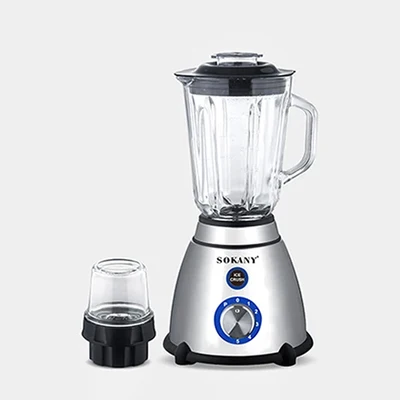
Certifications like CE, RoHS, FCC, and ETL are not one-size-fits-all. A supplier might claim they are CE certified, but that certification might only apply to one product line and not the specific hair straightener you want to buy. SOKANY’s sales team advises buyers to ask for the certificate number and the issuing lab for each model number separately. Then take five minutes to verify that certificate online—some fake certificates circulate in the industry. Also ask whether the certification covers the product as it will be sold, including your custom packaging and any added accessories. A blender might be certified, but the included spare jar from a different factory might not be. Getting this wrong can lead to your products being held at customs or banned from Amazon. The right suppliers will email you PDFs of current certificates without hesitation or excuses.
This question makes many suppliers uncomfortable, and that discomfort is exactly why you should ask it. A confident supplier with happy customers will have no problem providing references from other private labelers or distributors, especially if you promise not to misuse the information. SOKANY’s sales team keeps a list of clients who have agreed to be references, ranging from small Etsy shop owners to regional retail chains. When you call those references, ask specific questions: Did the products arrive on time? Were the colors accurate to the sample? How did the supplier handle a problem? If a supplier refuses to provide any references or claims it is confidential, consider whether you want to be their first unhappy customer. Legitimate confidentiality concerns exist, but a supplier can always redact pricing information or find a long-term client willing to speak off the record.
Business plans change. Maybe your funding falls through, or you discover that a competitor launched the exact same product. Ask about cancellation and modification policies before you pay a deposit, not after. Most suppliers, including SOKANY, will allow you to change color or packaging up to a certain point in production—usually before raw materials are ordered. After that, changes become expensive or impossible. For cancellations, expect to lose your deposit if production has started, but some suppliers might offer a partial refund if they can sell the unfinished goods to another buyer. SOKANY’s sales team notes that they have occasionally allowed buyers to reduce quantities by twenty percent without penalty, but this is a courtesy, not a right. The worst time to learn about these policies is when you desperately need to back out. Put the cancellation terms in writing as part of your proforma invoice before sending any money.
This final question tests the supplier’s integrity and self-awareness. If you ask, “Why should I choose you over a cheaper factory on Alibaba?” an honest supplier will tell you their strengths and weaknesses. SOKANY’s sales representatives, when asked directly, will admit that they are not the cheapest option but argue that their English communication, consistent lead times, and willingness to accept smaller orders justify the premium. A dishonest supplier will claim they are the best at everything. Listen for balanced answers. A good supplier might say, “We are stronger in kitchen appliances than in personal care items,” or “Our minimums are higher than some factories, but our defect rate is lower.” This honesty builds trust and helps you make an informed decision rather than chasing the lowest price or the biggest promises. The best partnerships start with clear-eyed conversations about what each side truly offers.