Lipomas are one of the most common types of benign (non-cancerous) growths found under the skin. While they are generally harmless, many people seek treatment due to cosmetic concerns, discomfort, or uncertainty about whether the lump is safe. One of the most frequently asked questions is: What size lipoma needs removal?
Understanding when to treat or remove a lipoma depends on several factors—not just size alone. This article explores everything a person needs to know about lipoma size, symptoms, treatment options, and when medical intervention becomes necessary, especially for those looking for the Best Lipoma Treatment in Muscat or anywhere else.
What Is a Lipoma?
A lipoma is a slow-growing lump made up of fat cells that form just beneath the skin. These lumps are usually soft, movable, and painless. Lipomas can appear anywhere on the body, but they are most commonly found on the neck, shoulders, arms, back, and thighs.
Most lipomas are small and grow gradually over time. In many cases, they remain unchanged for years and do not require treatment. However, some lipomas may grow larger or cause discomfort, which raises the question of removal.
Does Lipoma Size Alone Determine Removal?
Size is an important factor, but it is not the only reason for removing a lipoma. In general, lipomas do not need to be removed unless they meet one or more of the following criteria:
- They grow larger than a few centimeters
- They become painful or tender
- They interfere with movement or daily activities
- They affect appearance and cause cosmetic concern
- There is uncertainty about the diagnosis
- They grow rapidly or change in texture
While there is no strict universal size rule, lipomas that exceed 5 centimeters (about 2 inches) are often evaluated more carefully by medical professionals. Larger lipomas are more likely to cause discomfort or complications and may be recommended for removal.
When Should a Lipoma Be Removed?
A lipoma should be considered for removal when it starts to affect a person’s quality of life. Some of the most common situations include:
1. Pain or Discomfort
Although most lipomas are painless, some can press on nearby nerves or tissues, causing discomfort. If a lipoma becomes painful, removal is often advised.
2. Rapid Growth
A lipoma that grows quickly over a short period should be evaluated. Rapid growth is uncommon in typical lipomas and may require further examination to rule out other conditions.
3. Large Size
Large lipomas can stretch the skin and create visible bulges. In some cases, they may also restrict movement if located near joints or muscles.
4. Cosmetic Concerns
Many individuals choose to remove lipomas for aesthetic reasons, especially if the lump is in a visible area such as the face, neck, or arms.
5. Uncertain Diagnosis
If there is any doubt about whether a lump is a lipoma or something more serious, a healthcare provider may recommend removal for biopsy and analysis.
Types of Lipoma Removal Treatments
When it comes to lipoma removal, there are a few commonly used methods. The best option depends on the size, location, and condition of the lipoma.
Surgical Excision
Surgical removal is the most common and effective method. It involves making a small incision and removing the lipoma entirely. This method is typically recommended for larger lipomas or those that are deep under the skin.
Liposuction
In some cases, liposuction may be used to remove the fatty tissue of the lipoma. This method involves inserting a thin tube and suctioning out the fat. It may result in a smaller scar but is not always suitable for all types of lipomas.
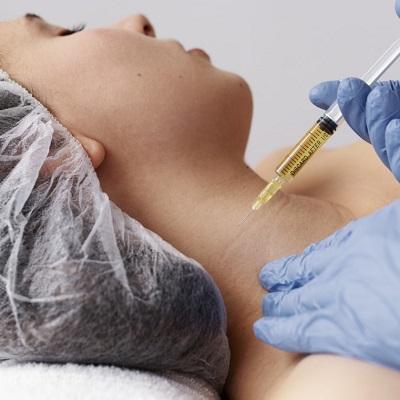
Steroid Injections
Steroid injections can shrink the lipoma but do not completely remove it. This method is less commonly used and is typically reserved for specific situations.
Risks of Leaving a Lipoma Untreated
In most cases, leaving a lipoma untreated does not pose serious health risks. However, there are certain considerations:
- It may continue to grow over time
- Larger lipomas may cause discomfort
- It may become more noticeable cosmetically
- In rare cases, diagnosis may be uncertain without medical evaluation
It is important to monitor any changes in size, shape, or symptoms. If anything unusual is noticed, medical advice should be sought.
Benefits of Professional Lipoma Treatment
Seeking professional care, especially for those looking for the best lipoma treatment in Muscat, ensures safe and effective management of the condition. Some benefits include:
- Accurate diagnosis of the lump
- Safe removal with minimal complications
- Reduced risk of recurrence
- Improved cosmetic results
- Proper medical guidance and follow-up care
A professional evaluation also helps rule out other conditions that may resemble a lipoma, ensuring peace of mind.
Recovery After Lipoma Removal
Recovery from lipoma removal is usually straightforward, especially for smaller lipomas. Most procedures are done on an outpatient basis, meaning the patient can go home the same day.
Common aspects of recovery include:
- Mild swelling or bruising
- Temporary soreness at the removal site
- Stitches that may need removal after a few days
- Gradual healing over one to two weeks
Following post-treatment instructions carefully can help ensure a smooth recovery and reduce the risk of complications.
Preventing Lipomas: Is It Possible?
There is no guaranteed way to prevent lipomas, as their exact cause is not fully understood. However, they are not linked to lifestyle or diet in most cases. Some general tips include:
- Maintaining a healthy lifestyle
- Regular health check-ups
- Monitoring any new lumps on the body
Since lipomas are often hereditary, individuals with a family history of lipomas may be more prone to developing them.
FAQs About Lipoma Treatment
1. What size lipoma is considered large?
A lipoma larger than 5 centimeters is generally considered large and may require further evaluation or removal, especially if it causes symptoms.
2. Can a small lipoma be removed?
Yes, even small lipomas can be removed if they cause discomfort, cosmetic concerns, or if the patient prefers removal.
3. Is lipoma removal painful?
Lipoma removal is usually performed under local anesthesia, so the procedure itself is not painful. Mild discomfort may be felt during recovery.
4. Can a lipoma come back after removal?
If the entire lipoma is removed, recurrence is unlikely. However, new lipomas can form in different areas of the body.
5. How long does it take to recover from lipoma surgery?
Most people recover within one to two weeks, depending on the size and location of the lipoma.
6. Are lipomas dangerous?
Lipomas are usually harmless and non-cancerous. However, any unusual lump should be evaluated by a professional to ensure proper diagnosis.
Conclusion
Determining what size lipoma needs removal is not based solely on measurements but rather on a combination of factors such as symptoms, growth, and location. While small, painless lipomas often do not require treatment, larger or symptomatic ones may need medical attention.
For individuals seeking the best lipoma treatment in Muscat, consulting a qualified professional ensures safe diagnosis and effective removal if needed. Early evaluation can help avoid complications and provide peace of mind, especially if there are changes in the lipoma’s size or behavior.
Read More About Lipoma Treatment: https://social.cigar-cloud.com/blogs/47449/How-to-Prepare-for-Lipoma-Treatment-Surgery
 English
 Arabic
 French
 Spanish
 Portuguese
 Deutsch
 Turkish
 Dutch
Dutch
 Italiano
 Russian
 Romaian
 Portuguese (Brazil)
 Greek
Greek