English
 Arabic
 French
 Spanish
 Portuguese
 Deutsch
 Turkish
 Dutch
Dutch
 Italiano
 Russian
 Romaian
 Portuguese (Brazil)
 Greek
Greek

Netflix Debut: A Tale of Love in Paris
Games |
2026-03-11 06:37:42
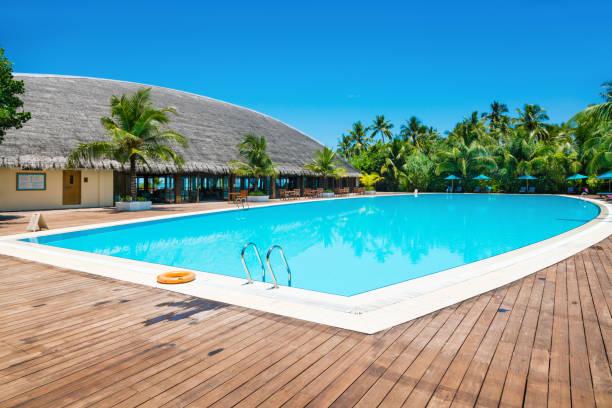
When you're investing in a custom swimming pool, one of the most important decisions you'll make happens before a single drop of water fills the basin — choosing the right construction method. Two of the most popular approaches for in-ground pools are gunite and shotcrete. Both are forms of sprayed concrete, both deliver durable results, and both are widely used by professional pool builders. Yet they differ in ways that can significantly influence your pool's long-term performance, cost, and finish quality.
If you're in the planning stages and comparing your options, this guide breaks down everything you need to know about gunite and shotcrete pools — from how they're made to which one deserves a place in your backyard.
Gunite is a dry-mix concrete application method that has been used in pool construction for decades. In this process, dry cement and sand are mixed together and fed through a hose. Water is introduced at the nozzle tip just before the material is sprayed onto a framework of steel rebar. The force of the spray compacts the mixture against the rebar, forming a dense, solid shell.
Because water is added at the nozzle, the gunite operator has significant control over the water-to-cement ratio in real time. This flexibility is one of the reasons gunite has been the go-to choice for custom pool construction for generations. When applied by an experienced crew, gunite delivers exceptional structural strength and a tightly bonded surface.
Key characteristics of gunite:
Dry mix process with water added at the nozzle
High operator control over moisture levels
Excellent compressive strength when properly applied
Well-established method with decades of industry use
Allows for highly intricate and custom shapes
Shotcrete is a wet-mix concrete application method. Unlike gunite, the cement, sand, and water are pre-mixed before being pumped through the hose and shot onto the rebar framework using compressed air. The material arrives at the nozzle already in its final consistency.
Shotcrete gained popularity in pool construction as equipment and ready-mix concrete technology improved. Because the mix is consistent from batch to batch, shotcrete is often praised for its uniformity and reduced dependency on nozzle technique. Modern shotcrete mixes can also incorporate admixtures for enhanced waterproofing and durability.
Key characteristics of shotcrete:
Wet pre-mixed concrete applied via compressed air
Consistent mix ratios throughout the application
Faster application process, especially on larger pools
Reduced risk of variable water-to-cement ratios
Compatible with standard ready-mix concrete supply
Both methods can produce structurally sound pools when installed correctly. Gunite, when expertly applied, can achieve very high compressive strength due to the operator's ability to manage the water content at the nozzle. However, this strength is highly dependent on the skill of the applicator. Too much or too little water can compromise the final product.
Shotcrete, with its pre-mixed consistency, reduces human error in the water-cement ratio. This makes it somewhat more predictable in terms of quality control, particularly on large residential or commercial projects. Both methods, when executed by qualified Pool builders Jupiter, produce pools that can last 30–50 years or more.
Gunite has long been celebrated for allowing extremely custom, freeform pool designs. Because the mix is applied by hand-controlled spray, crews can build tight curves, intricate features like tanning ledges, grottos, and waterfalls with precision. Shotcrete also supports creative designs but can be slightly less accommodating for very tight geometric curves due to the nature of pre-mixed material behaviour.
If you have a complex or artistic vision in mind, discuss your design in detail with your pool contractor to determine which method best supports your plans.
Shotcrete typically has a faster application rate than gunite. Because the mix is pre-prepared in a ready-mix truck, large surface areas can be covered efficiently. This can reduce labour time on bigger pools. Gunite requires more careful setup of the dry-mix equipment, and the on-site water introduction can slow the process slightly.
For most standard residential pools, the difference in timeline is minimal. However, for large commercial projects or expansive custom estates, shotcrete may offer a measurable time advantage.
In most markets, the cost difference between gunite and shotcrete pools is relatively modest. Gunite equipment can require more maintenance and experienced crews, which may slightly affect pricing. Shotcrete, using ready-mix trucks, leverages existing concrete supply chains and can sometimes reduce material costs.
That said, the largest cost drivers for either method are the pool's size, shape, features, and the finishing choices – such as the best pool plaster options selected for the interior surface. Plaster finishes like quartz aggregate, pebble finish, or standard white plaster are applied over both gunite and shotcrete shells, and the choice of plaster can significantly influence both appearance and long-term upkeep.
Once the concrete shell has cured, the pool interior is coated with a plaster or aggregate finish, regardless of whether gunite or shotcrete was used. This is an important point: both methods result in a raw concrete shell that requires a separate interior coating. Homeowners working with pool builders in Jupiter and throughout South Florida typically choose finishes suited to the local climate and water chemistry — options like Pebble Tec, Diamond Brite, or traditional marcite plaster.
The quality of the plaster finish often matters more to long-term ownership experience than whether the underlying shell is gunite or shotcrete. A beautifully applied best pool plaster finish over a well-constructed shell—regardless of method—will deliver years of enjoyment.
Which Method Is More Commonly Used in Florida?
In Florida's pool-building market, both gunite and shotcrete are used widely. The region's sandy soil and high water table make structural integrity critical, and both methods can be engineered to meet those demands. Many experienced pool builders in Jupiter and surrounding South Florida communities have expertise in both and will recommend the method that best aligns with your pool's design, your site's soil conditions, and your timeline.
Florida's warm climate does mean pools are used year-round, placing greater demand on structural resilience and surface finish quality. This makes the choice of both construction method and interior plaster particularly important in this region.
At the end of the day, the gunite vs. shotcrete debate is not a matter of right or wrong — it's a matter of fit. Both construction methods have proven themselves over decades of real-world use, producing pools that are beautiful, structurally sound, and built to last. The decision ultimately comes down to your pool's design complexity, your contractor's expertise, your project timeline, and your budget.
What matters most is that you approach the process as an informed homeowner. Understand what each method involves, ask your contractor the right questions, and don't overlook the finishing details. The interior plaster or aggregate finish you choose — the Best Pool Plaster for your climate, usage, and aesthetic—will be what you see and touch every single day. It deserves just as much attention as the structural method beneath it.
If you're located in South Florida and beginning your search, connecting with trusted pool builders in Jupiter who have hands-on experience with both gunite and shotcrete will give you the clearest, most honest guidance for your specific project. Local builders understand regional soil conditions, water chemistry, and permit requirements — knowledge that can save you time, money, and headaches down the road.
Building a pool is one of the most rewarding home investments you can make. With the right construction method, the right finish, and the right team behind the work, you'll be enjoying your backyard oasis for decades to come. Start the conversation today, and take the first step towards the pool you've always envisioned.