English
 Arabic
 French
 Spanish
 Portuguese
 Deutsch
 Turkish
 Dutch
Dutch
 Italiano
 Russian
 Romaian
 Portuguese (Brazil)
 Greek
Greek

Mapping the Dynamic and Expanding Open Source Intelligence Market
Home |
2025-10-06 09:33:12
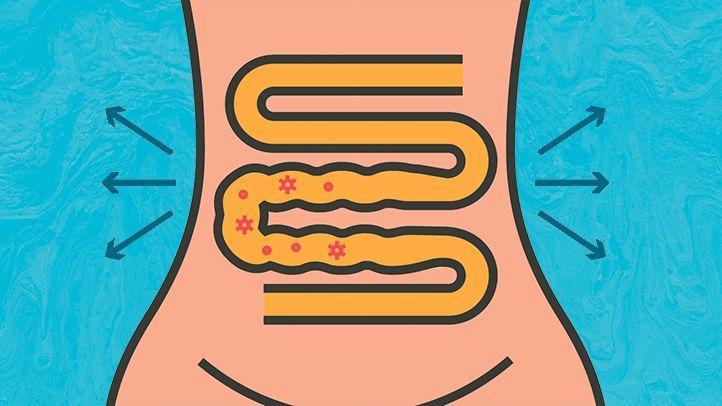
Loose, watery bowel movements commonly referred to as diarrhea are a widespread gastrointestinal issue that can affect individuals of all ages. While often temporary, it can sometimes indicate underlying health conditions that require medical attention. Understanding the causes, symptoms, and treatment options is essential for effective management and prevention.
Loose watery bowel movements are characterized by frequent, unformed stools that may occur multiple times a day. This condition is often associated with urgency, abdominal cramps, bloating, and sometimes dehydration. Medically, it is commonly linked to Diarrhea.
Infections are the leading cause of acute diarrhea. These include:
Viral infections such as rotavirus or norovirus
Bacterial infections like E. coli, Salmonella, or Shigella
Parasitic infections such as Giardia
Contaminated food, water, or poor hygiene often trigger these infections.
Certain individuals have difficulty digesting specific foods, leading to loose stools. Common triggers include:
Lactose intolerance (dairy products)
Gluten sensitivity (celiac disease)
Artificial sweeteners
Some medications can disrupt the natural balance of gut bacteria or irritate the digestive tract. These include:
Antibiotics
Laxatives
Antacids containing magnesium
Chronic conditions affecting the gastrointestinal tract can cause persistent diarrhea:
Irritable bowel syndrome (IBS)
Inflammatory bowel disease (IBD), including Crohn’s disease and ulcerative colitis
Unhealthy eating habits can contribute significantly:
Excessive consumption of oily or spicy foods
Alcohol and caffeine intake
Stress and anxiety
In many regions, unsafe drinking water is a major contributor to diarrheal diseases, especially in developing countries.
Loose watery bowel may be accompanied by:
Abdominal pain or cramping
Nausea and vomiting
Fever
Dehydration (dry mouth, dizziness, reduced urination)
Blood or mucus in stool (in severe cases)
If symptoms persist beyond 2–3 days or worsen, medical evaluation is necessary.
Treatment depends on the underlying cause, severity, and patient condition. Below are the most effective approaches:
The biggest risk of diarrhea is dehydration. Replenishing lost fluids is crucial.
Drink oral rehydration solutions (ORS)
Consume coconut water, clear soups, and electrolyte drinks
Avoid alcohol and caffeinated beverages
Follow a bland diet that is easy on the stomach:
Bananas
Rice
Applesauce
Toast
Avoid spicy, fatty, and dairy-heavy foods until recovery.
Over-the-counter medications like loperamide can help reduce stool frequency, but they should not be used in infections without medical advice.
When diarrhea is caused by bacterial or parasitic infections, doctors may prescribe medications such as Nizonide 500mg. This medication contains nitazoxanide and is particularly effective against protozoal infections like Giardia and Cryptosporidium.
Important Note:
The nizonide 500mg should only be taken under medical supervision. Dosage and duration depend on the severity of the infection and patient-specific factors.
Probiotics help restore the natural balance of gut bacteria. These are especially useful after antibiotic-associated diarrhea.
Allow your body time to heal. Avoid strenuous activity and ensure adequate sleep.
Seek medical attention if you experience:
Diarrhea lasting more than 3 days
High fever
Severe abdominal pain
Signs of dehydration
Blood in stool
Children, elderly individuals, and people with weakened immune systems should receive prompt medical care.
Prevention plays a crucial role in avoiding recurrent episodes:
Wash hands thoroughly before eating and after using the toilet
Use clean utensils and cooking surfaces
Avoid undercooked or raw foods
Wash fruits and vegetables properly
Store food at appropriate temperatures
Always ensure drinking water is safe. Use filtered or boiled water when necessary.
Traveler’s diarrhea is common. Avoid street food and drink bottled water when visiting unfamiliar places.
Stress can significantly impact digestive health. Practices such as yoga, meditation, and regular exercise can help maintain gut health.
In cases where diarrhea is caused by parasitic infections, Nizonide 500mg plays a vital role. It works by inhibiting the growth of parasites and restoring normal intestinal function. It is particularly effective in:
Giardia infections
Amoebiasis
Cryptosporidiosis
However, it is not a universal remedy for all types of diarrhea. Misuse can lead to ineffective treatment or resistance, so proper diagnosis is essential.
Loose watery bowel is a common yet potentially serious condition if left untreated. While most cases resolve with hydration and dietary care, identifying the underlying cause is key to effective treatment. Medications like Nizonide 500mg can be highly effective in specific infections, but should always be used responsibly under medical guidance.
Maintaining good hygiene, consuming safe food and water, and seeking timely medical care can significantly reduce the risk and impact of diarrhea. By understanding both causes and treatments, individuals can manage symptoms effectively and prevent complications.