English
 Arabic
 French
 Spanish
 Portuguese
 Deutsch
 Turkish
 Dutch
Dutch
 Italiano
 Russian
 Romaian
 Portuguese (Brazil)
 Greek
Greek

MMOEXP Warborne Above Ashes:Warborne Above Ashes Consumables: Psyche Infusion I Guide
Games |
2025-12-12 01:27:49
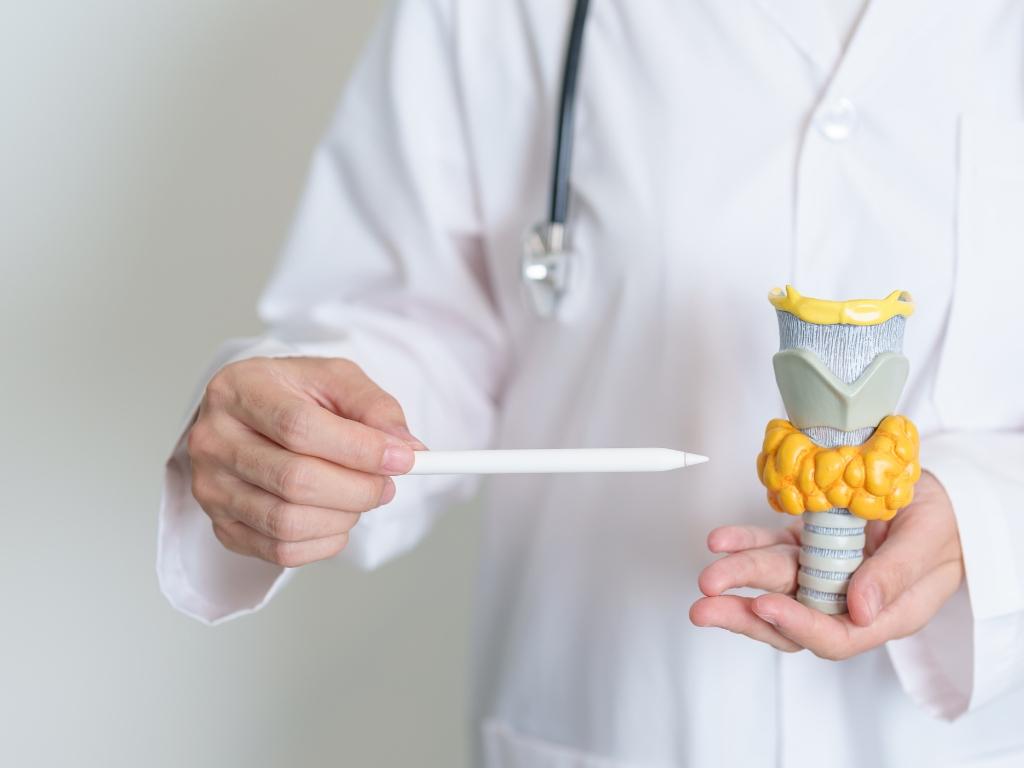
Thyroid cysts are fluid-filled sacs that develop within the thyroid gland, a small butterfly-shaped organ located in the neck. The thyroid plays an essential role in regulating metabolism, energy levels, and hormone balance in the body. While many thyroid nodules are solid, some are partially or completely cystic. These cysts can vary in size and may remain unnoticed for years. However, when they grow larger, they can cause discomfort, visible swelling in the neck, difficulty swallowing, or pressure sensations.
Many patients seek treatment when thyroid cysts become symptomatic or continue to recur after simple drainage. Traditionally, surgical removal was often recommended, but modern medicine now offers less invasive alternatives. One of the most effective approaches available today is thyroid cyst alcohol injection, a minimally invasive treatment that helps shrink cysts without the need for surgery. This procedure has gained popularity because it is safe, effective, and typically performed on an outpatient basis.
Thyroid cysts may form for several reasons. Some develop due to degeneration of pre-existing thyroid nodules, while others arise from fluid accumulation inside the gland. Hormonal imbalances, iodine deficiency, inflammation, or genetic predisposition may also contribute to their formation. Although many cysts are benign and harmless, they can still cause noticeable symptoms if they increase in size.
Common symptoms associated with thyroid cysts include swelling or a lump in the neck, throat pressure, mild pain, hoarseness, and sometimes difficulty swallowing. In rare cases, very large cysts may affect breathing or cause cosmetic concerns. Patients may also experience anxiety about the possibility of cancer, although the majority of thyroid cysts are noncancerous.
Doctors typically diagnose thyroid cysts through imaging tests such as ultrasound, which clearly shows whether a thyroid nodule is solid or filled with fluid. Fine-needle aspiration may also be performed to remove fluid and examine it under a microscope. Once a cyst is confirmed to be benign, treatment options can be discussed. In many cases, thyroid cyst alcohol injection becomes a preferred solution for recurrent cysts.
Before minimally invasive therapies became widely available, treatment options for thyroid cysts were somewhat limited. Physicians often recommended simple needle aspiration, where fluid is drained from the cyst using a fine needle. While this approach can temporarily reduce swelling, the cyst frequently refills with fluid over time. Recurrence rates after aspiration alone can be quite high.
Surgical removal of part or all of the thyroid gland was another common treatment for persistent cysts. Although surgery can effectively eliminate the cyst, it also carries potential risks such as scarring, infection, anesthesia complications, and possible damage to the vocal cords or surrounding structures. Additionally, patients may require lifelong thyroid hormone replacement therapy if a significant portion of the gland is removed.
Because of these limitations, medical professionals began exploring alternative treatments that could provide lasting results without major surgery. One such advancement is thyroid cyst alcohol injection, which has become a widely accepted method for treating benign cystic thyroid nodules.
Alcohol injection therapy, also known as percutaneous ethanol injection, is a minimally invasive procedure used to treat fluid-filled thyroid cysts. The treatment involves injecting a small amount of sterile alcohol directly into the cyst after the fluid has been drained. The alcohol works by destroying the cyst lining, preventing it from producing fluid again.
During thyroid cyst alcohol injection, the doctor uses ultrasound guidance to ensure precise placement of the needle. This imaging technology allows the physician to see the cyst clearly and avoid surrounding tissues. Once the cyst fluid is aspirated, a carefully measured amount of ethanol is introduced into the cavity.
The alcohol causes the cyst walls to shrink and collapse over time. As a result, the cyst gradually decreases in size and is less likely to recur. This targeted treatment makes thyroid cyst alcohol injection an effective option for patients who want to avoid surgery while still achieving long-term relief.
The procedure for thyroid cyst alcohol injection is relatively simple and usually takes less than an hour. It is typically performed in an outpatient clinic or specialized medical center. Patients remain awake during the procedure, and local anesthesia may be applied to reduce discomfort.
First, the patient lies on an examination table with the neck slightly extended. Ultrasound imaging is used to locate the cyst and guide the needle into the correct position. The doctor then removes the cyst fluid using a thin needle, which often leads to immediate reduction in swelling.
After the fluid is drained, a small quantity of medical-grade ethanol is injected into the cyst cavity. The alcohol is sometimes left inside the cyst for a short period before being partially removed. This process helps ensure that the cyst lining is properly treated.
Following the injection, the needle is withdrawn, and the patient is observed briefly before going home. Most individuals can resume normal daily activities shortly after the procedure. Because thyroid cyst alcohol injection is minimally invasive, recovery time is usually very short.
One of the primary advantages of thyroid cyst alcohol injection is that it offers an effective alternative to surgery. The procedure is minimally invasive, meaning there are no large incisions, stitches, or extended hospital stays. This greatly reduces recovery time and allows patients to return to their regular routines quickly.
Another major benefit is its high success rate in shrinking cysts and preventing recurrence. Studies have shown that many patients experience significant reduction in cyst size after a single treatment session, while others may require a few additional sessions for optimal results.
Thyroid cyst alcohol injection also helps preserve the natural function of the thyroid gland. Unlike surgery, which may remove part of the gland, this treatment targets only the cyst itself. This means patients are less likely to need hormone replacement therapy afterward.
Additionally, the procedure is generally well tolerated and performed under ultrasound guidance for improved safety. Because of these advantages, thyroid cyst alcohol injection has become a widely recommended option for patients with benign cystic thyroid nodules.
Like any medical procedure, alcohol injection therapy may have some minor risks, although serious complications are rare. Most patients tolerate thyroid cyst alcohol injection very well, and side effects are typically mild and temporary.
Some individuals may experience slight discomfort, swelling, or a burning sensation in the treated area shortly after the injection. Mild neck pain or temporary hoarseness can also occur but usually resolves within a few days. These symptoms are generally manageable with simple pain relief measures.
Doctors carefully monitor the procedure using ultrasound to avoid nearby nerves and blood vessels. This imaging guidance significantly reduces the risk of complications. Patients are usually advised to follow up with their physician and undergo periodic ultrasound examinations to monitor the cyst’s response to treatment.
Overall, thyroid cyst alcohol injection is considered a safe and reliable option when performed by experienced specialists.
Not all thyroid nodules require treatment. Many small, asymptomatic cysts can simply be monitored over time. However, patients with large cysts, recurring fluid buildup, or noticeable neck swelling may benefit from intervention.
Thyroid cyst alcohol injection is particularly suitable for individuals with benign cystic nodules that repeatedly refill after aspiration. It is also an excellent option for patients who prefer to avoid surgery or are not ideal surgical candidates due to other health conditions.
Before recommending this treatment, doctors usually perform a thorough evaluation, including ultrasound imaging and possibly fine-needle aspiration biopsy. These tests help confirm that the cyst is benign and suitable for alcohol injection therapy.
When appropriately selected, patients often experience significant symptom relief and long-term reduction in cyst size following thyroid cyst alcohol injection.
Recovery after alcohol injection therapy is generally quick and uncomplicated. Most patients leave the clinic shortly after the procedure and can return to normal activities the same day. Mild soreness at the injection site may occur but typically resolves within a short time.
Doctors often schedule follow-up ultrasound examinations to assess how well the cyst is responding to treatment. Over time, the cyst usually shrinks as the alcohol causes the inner lining to scar and collapse. In some cases, additional treatment sessions may be recommended to achieve the best outcome.
Patients are also encouraged to report any unusual symptoms such as persistent pain, swelling, or voice changes. However, these occurrences are uncommon when thyroid cyst alcohol injection is performed correctly.
Advancements in medical technology continue to improve how thyroid conditions are treated. Minimally invasive procedures like alcohol injection therapy represent a shift toward treatments that prioritize patient comfort, safety, and faster recovery.
In addition to alcohol injection, other image-guided techniques such as radiofrequency ablation and laser therapy are also being explored for certain thyroid nodules. These innovations provide more options for patients who wish to avoid surgery while still receiving effective care.
Among these treatments, thyroid cyst alcohol injection remains one of the most established and widely used methods for managing benign cystic thyroid nodules. Its proven effectiveness, simplicity, and minimal downtime make it an attractive choice for both doctors and patients.
Thyroid cysts are a common condition that can sometimes cause discomfort, swelling, or cosmetic concerns. While many cysts remain harmless and require only observation, some may grow or recur after fluid drainage. In such cases, treatment may be necessary to prevent ongoing symptoms.
Thyroid cyst alcohol injection offers a minimally invasive and highly effective solution for managing benign thyroid cysts. By injecting ethanol into the cyst cavity, this procedure helps shrink the cyst and reduce the likelihood of recurrence. It avoids the risks and recovery time associated with traditional surgery while preserving normal thyroid function.
With its strong safety profile, quick recovery, and excellent results, thyroid cyst alcohol injection has become an important option in modern thyroid care. Patients experiencing persistent or recurrent thyroid cysts should consult a qualified medical specialist to determine whether this minimally invasive treatment may be right for them.