English
 Arabic
 French
 Spanish
 Portuguese
 Deutsch
 Turkish
 Dutch
Dutch
 Italiano
 Russian
 Romaian
 Portuguese (Brazil)
 Greek
Greek

Call of Duty: Mobile — запуск на ПК через эмулятор
Games |
2025-09-24 02:10:52
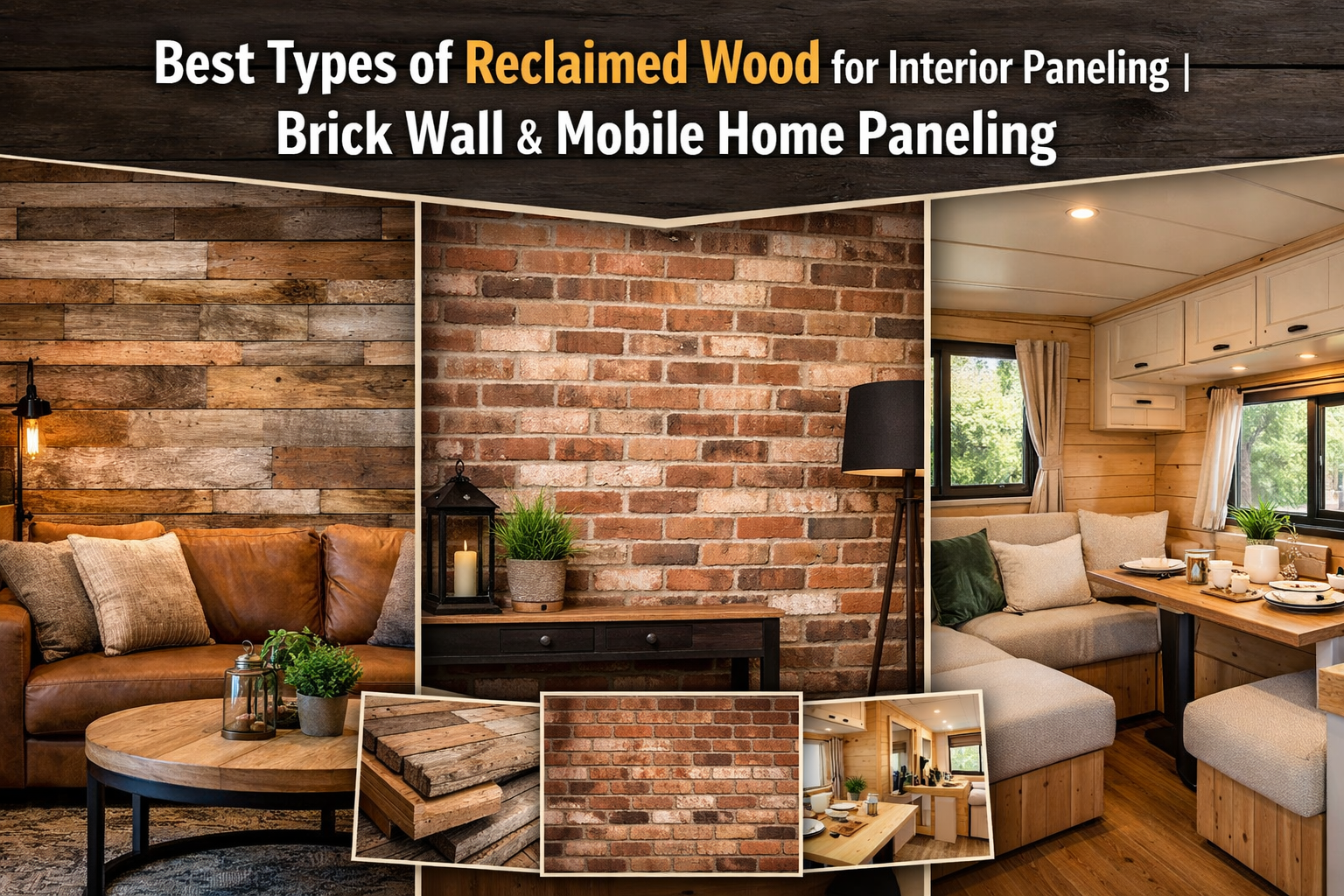
Building a durable and weather-resistant shed requires choosing the right exterior wall panels. Sheds are constantly exposed to rain, humidity, sunlight, and temperature fluctuations, which means the materials used for the walls must provide reliable waterproof protection and long-term durability. The right exterior wall paneling not only protects the structure but also improves insulation, reduces maintenance, and enhances the overall appearance of the shed.In this guide, we’ll explore the best exterior waterproof wall panels and paneling materials for sheds, their benefits, and how to choose the right option for your project.
Sheds are typically used for storage, workshops, gardening tools, or hobby spaces. Because they are usually placed outdoors and exposed to harsh weather conditions, moisture protection is essential. Without waterproof panels, sheds can suffer from structural damage, mold growth, and rot over time.
Waterproof wall panels provide several key benefits:
Protection from moisture and rain
Resistance to mold, mildew, and rot
Long-lasting durability
Low maintenance requirements
Improved insulation and structural strength
Traditional materials like untreated wood or drywall can absorb moisture and deteriorate quickly, while modern waterproof wall paneling materials are designed to withstand extreme weather conditions and maintain their appearance for years.
Below are some of the most popular and effective waterproof wall panel materials commonly used in sheds and outdoor structures.
PVC (Polyvinyl Chloride) panels are one of the most widely used waterproof wall paneling solutions for sheds. These panels are made from durable plastic materials that do not absorb moisture and are highly resistant to mold and mildew.
100% waterproof and moisture resistant
Lightweight and easy to install
Low maintenance and easy to clean
Resistant to cracking, peeling, and warping
PVC panels often feature interlocking designs, making them simple to install even for DIY shed projects. Because they do not absorb water, they prevent common problems like wood rot and mold growth.
PVC panels are ideal for:
Garden sheds
Storage sheds
Workshop sheds
Utility buildings
They are especially useful in humid climates or areas with heavy rainfall.
Fiber cement panels are one of the most durable exterior wall materials available. These panels are made from a combination of cement, sand, and cellulose fibers, creating a strong and weather-resistant structure.
Excellent moisture resistance
Fire and insect resistance
Extremely durable and long-lasting
Minimal maintenance required
Fiber cement panels are commonly used for exterior siding because they can resist termites, rot, and harsh environmental conditions.
Fiber cement panels work well for:
Permanent sheds
Outdoor workshops
Large storage buildings
Industrial or heavy-duty sheds
These panels can also mimic the look of natural wood while providing superior durability.
Wood-plastic composite panels combine recycled wood fibers and plastic materials to create a strong and waterproof wall paneling option. This material has become increasingly popular in modern construction.
Waterproof and weather resistant
Resistant to insects and rot
Natural wood-like appearance
Long lifespan with minimal maintenance
WPC panels provide the aesthetic appeal of wood while eliminating the weaknesses associated with traditional timber. These panels also resist UV damage and weathering, making them ideal for outdoor structures.
WPC panels are perfect for:
Decorative garden sheds
Outdoor studios
Backyard offices
Modern shed designs
They offer both durability and style.
Metal panels are another excellent option for waterproof shed walls. Aluminum and steel panels are widely used in industrial and agricultural structures due to their strength and resistance to environmental damage.
Completely waterproof surface
Highly durable and impact resistant
Resistant to pests and fire
Long lifespan with minimal upkeep
Aluminum panels are lightweight and corrosion-resistant, while steel panels offer additional strength for high-impact environments.
Metal panels are ideal for:
Farm sheds
Equipment storage buildings
Industrial workshops
High-wind or harsh climates
They are especially useful when durability is the top priority.
High-pressure laminate panels are engineered materials created by compressing layers of resin-treated paper under high pressure. The result is a dense and highly durable exterior panel.
Excellent waterproof protection
Resistant to UV rays and weathering
Lightweight yet strong
Wide range of colors and finishes
HPL panels are commonly used in modern architectural designs because they offer both performance and aesthetic versatility.
These panels are ideal for:
Designer sheds
Modern garden structures
Backyard studios
Decorative outdoor buildings
Composite cladding panels combine multiple materials such as plastic, wood fibers, or aluminum layers to create strong waterproof panels.
Lightweight but durable
Resistant to water penetration
Strong thermal insulation properties
Long lifespan
Composite panels are widely used in modern building exteriors because they offer strength, insulation, and waterproofing in one material.
Composite panels are suitable for:
Energy-efficient sheds
Modern backyard structures
Weather-exposed buildings
When selecting wall panels for your shed, several factors should be considered to ensure the best performance and durability.
Choose materials that can withstand your local weather conditions. For example:
Humid climates → PVC or composite panels
High-wind areas → metal panels
Hot climates → fiber cement or HPL panels
Some materials require more maintenance than others. For example:
Wood requires regular sealing and painting
PVC and metal require minimal maintenance
Low-maintenance panels are usually the best option for sheds.
DIY builders often prefer lightweight and easy-to-install panels such as:
PVC panels
Composite panels
WPC panels
These materials usually feature interlocking systems or simple mounting methods.
The cost of wall panels varies depending on material type and durability.
Budget-friendly: PVC and WPC panels
Mid-range: fiber cement panels
Premium: HPL and metal cladding
Choosing a material that balances cost and durability ensures long-term value.
Proper installation is essential to ensure the panels remain waterproof and durable.
Use weatherproof sealants around joints, corners, and panel edges to prevent water infiltration.
A waterproof membrane or house wrap behind the panels can add an additional layer of protection.
Proper ventilation prevents condensation buildup inside the shed.
Stainless steel or galvanized fasteners help prevent rust and maintain structural integrity.
Choosing the best exterior waterproof wall panels for sheds is essential for ensuring long-term durability, weather resistance, and low maintenance. Modern materials like PVC, fiber cement, WPC, metal, and composite panels provide excellent waterproof protection while enhancing the appearance and functionality of outdoor structures.Each material offers unique advantages depending on the shed’s purpose, location, and design preferences. By selecting high-quality wall paneling materials and installing them correctly, you can create a shed that remains strong, weatherproof, and visually appealing for many years.For homeowners, builders, and contractors researching exterior wall panel solutions, resources such as Wall Panel Market can provide useful insights into modern paneling materials and innovative construction trends.