English
 Arabic
 French
 Spanish
 Portuguese
 Deutsch
 Turkish
 Dutch
Dutch
 Italiano
 Russian
 Romaian
 Portuguese (Brazil)
 Greek
Greek

Ease of Use and Implementation new technology
Food |
2026-04-13 20:47:59
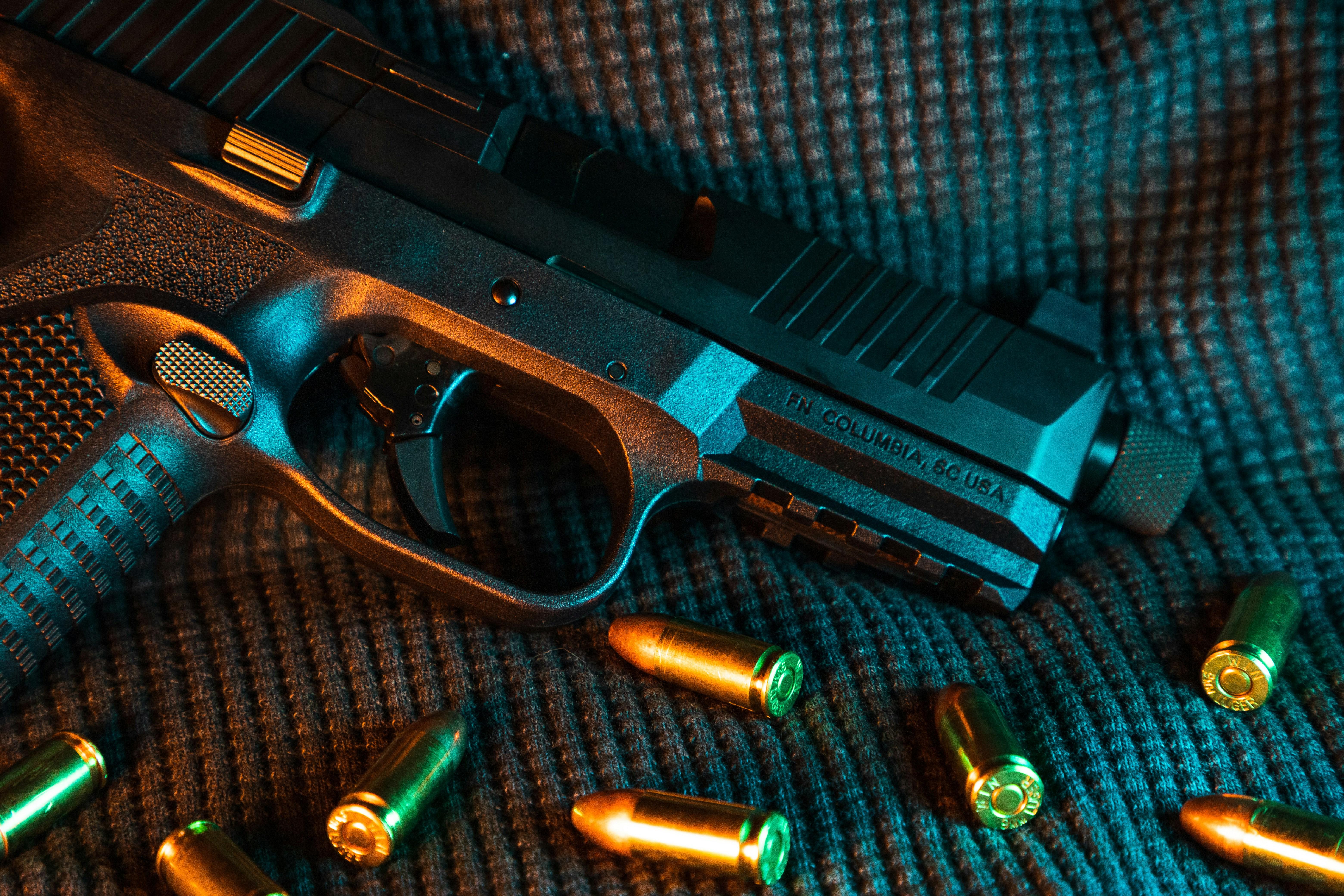
For serious collectors and restoration enthusiasts, few areas of the firearms world are as fascinating—or as complex—as antique gun parts. Whether restoring a Civil War–era revolver, repairing a late 19th-century lever-action rifle, or simply preserving a family heirloom, understanding antique gun parts is essential to maintaining historical integrity and long-term value. The market for original components has grown steadily over the years, but so has the presence of reproductions and misrepresented items. Knowing how to identify and authenticate parts is what separates careful collectors from costly mistakes.
This guide explores how to evaluate antique firearm components, verify authenticity, and make informed purchasing decisions without compromising historical significance.
When dealing with antique firearms—typically defined in the United States as guns manufactured before 1899—originality is everything. Even small components can dramatically influence value.
Correct, period-authentic parts can:
Preserve collector value
Maintain historical accuracy
Ensure mechanical compatibility
Enhance long-term investment potential
Conversely, incorrect or reproduction parts can reduce collector appeal and sometimes decrease resale value.
For example, original components from historically significant firearms such as the Colt Single Action Army or the Winchester Model 1873 are often highly sought after. Small differences in screws, grips, or internal mechanisms can mean the difference between originality and alteration.
One of the most important distinctions in the world of antique gun parts is the difference between original and reproduction components.
Manufactured during the firearm’s original production period
Match historical manufacturing methods
Show natural aging consistent with age
Often exhibit period-correct machining marks
Manufactured later, often using modern methods
May look visually similar but differ in metallurgy or machining
Frequently lack correct proof marks or finishing techniques
Reproduction parts are not inherently negative. For shooters restoring firearms for safe function rather than collector display, reproduction components may be practical and responsible choices. However, they must be represented honestly.
Authenticating antique gun parts often begins with proof marks and factory stamps.
Manufacturers historically applied specific markings to:
Barrels
Frames
Cylinders
Internal components
European firearms, in particular, often include detailed proof marks indicating testing standards and place of manufacture.
Key evaluation steps include:
Comparing marks to documented factory references
Verifying font style and placement
Examining wear consistency around stamped areas
Sharp, overly crisp markings on an otherwise worn part may indicate re-stamping or modern reproduction.
Collectors frequently rely on factory letters, historical registries, and manufacturer archives when verifying authenticity.
Many antique firearms include serial numbers stamped on multiple parts. Matching numbers across components significantly enhance collector value.
Commonly numbered parts include:
Frame
Cylinder
Barrel
Trigger guard
Backstrap
Mismatched numbers may indicate:
Factory replacement
Later repair
Parts gun assembly
Not all mismatches are problematic—especially in firearms that saw heavy historical use—but they must be disclosed and understood.
When inspecting antique gun parts, check for:
Correct serial number fonts
Proper depth and alignment
Consistent patina inside stamped digits
Altered or re-stamped numbers often reveal themselves under magnification.
Natural aging patterns provide important clues when authenticating antique gun parts.
Authentic aging typically shows:
Even patina development
Consistent wear on contact surfaces
Surface oxidation in recessed areas
Minor pitting consistent with storage conditions
Artificial aging attempts may involve chemical treatments or surface distressing. Signs of artificial aging include:
Unnaturally uniform discoloration
Inconsistent wear patterns
Fresh machining under oxidized surfaces
Handling original antique parts helps develop an eye for authentic wear.
The market for antique gun parts has expanded significantly as interest in historical firearms continues to grow. More collectors are restoring 19th-century revolvers, lever-actions, and early bolt-action rifles. As a result, original components have become increasingly scarce.
This scarcity drives both value and risk.
When demand increases, reproduction and misrepresented parts also become more common. Collectors must balance enthusiasm with caution. Purchasing antique gun parts without proper research can lead to overpaying for items that lack historical authenticity.
Documentation is key. Detailed photographs, provenance records, and reputable seller histories all contribute to buyer confidence.
Modern metallurgy differs from 19th-century production methods. Skilled collectors often examine metal characteristics to determine authenticity.
Antique manufacturing methods frequently involved:
Forged components
Hand-fitting
Less uniform machining
Modern CNC machining leaves distinct patterns and tolerances that may appear too precise for antique origins.
Additionally, certain finishes—such as color case hardening or early bluing techniques—have identifiable characteristics. Modern refinishing often appears too even or lacks the subtle color variations of period methods.
Wood grips and stocks deserve special attention.
Original wood components may display:
Period-correct grain patterns
Shrinkage consistent with age
Tool marks from hand-fitting
Oil finish absorption over decades
Replacement grips are common, particularly for frequently carried revolvers. Collectors should examine:
Fit to frame
Screw alignment
Wood type authenticity
Ivory and bone grips require additional scrutiny due to modern legal considerations and the prevalence of high-quality synthetic reproductions.
Small components are often overlooked but are critical in authentication.
Original screws may feature:
Specific slot widths
Period-correct thread pitch
Hand-cut appearance
Modern screws may appear too uniform or lack the subtle variations of antique machining.
Springs and internal components often wear out over time. While replacements are common for safety reasons, sellers should disclose these changes clearly.
Collectors must decide whether to restore or preserve.
Maintain original finish
Avoid refinishing
Keep authentic wear intact
Replace worn parts for safe operation
Refinish surfaces
Enhance cosmetic appearance
From a collector perspective, preservation typically maintains higher historical value. Over-restoration can reduce authenticity.
When replacing antique gun parts, documenting every change helps preserve provenance.
Reputable antique firearms dealers often specialize in period-correct parts. When evaluating sellers:
Review their history in the industry
Ask for detailed photographs
Request documentation when available
Seek references from other collectors
Specialty auctions and gun shows can provide opportunities to inspect parts in person. Hands-on examination is invaluable.
Collectors should be cautious of:
Prices significantly below market value
Incomplete or vague descriptions
Reluctance to provide additional photos
Overly polished or refinished surfaces
Authentic antique gun parts command appropriate pricing due to scarcity. If a deal appears too good to be true, further investigation is warranted.
Maintaining records of purchased parts is essential.
Keep:
Receipts
Seller contact information
Photos before installation
Correspondence regarding authenticity
Detailed records strengthen resale potential and help future owners verify originality.
Antique firearms and components often appreciate over time, especially when historically significant.
Factors influencing value include:
Rarity
Historical relevance
Condition
Provenance
Matching serial numbers
Original antique gun parts from iconic firearms tend to retain strong collector demand.
Navigating the world of antique gun parts requires patience, research, and attention to detail. Authentication is not a single-step process but rather a combination of careful observation, historical knowledge, and reputable sourcing.
Collectors who invest time in studying proof marks, machining patterns, and period-correct materials are far better positioned to make informed decisions. As interest in historical firearms continues to grow, the demand for authentic components will likely remain strong.
For those exploring listings, researching values, or comparing offerings, online marketplaces such as GunsAmerica can provide insight into current availability and pricing trends. Regardless of where purchases are made, the most valuable asset any collector can possess is knowledge—because when it comes to antique gun parts, authenticity is everything.