English
 Arabic
 French
 Spanish
 Portuguese
 Deutsch
 Turkish
 Dutch
Dutch
 Italiano
 Russian
 Romaian
 Portuguese (Brazil)
 Greek
Greek

Pneumoconiosis Market
Health |
2026-02-11 09:59:01
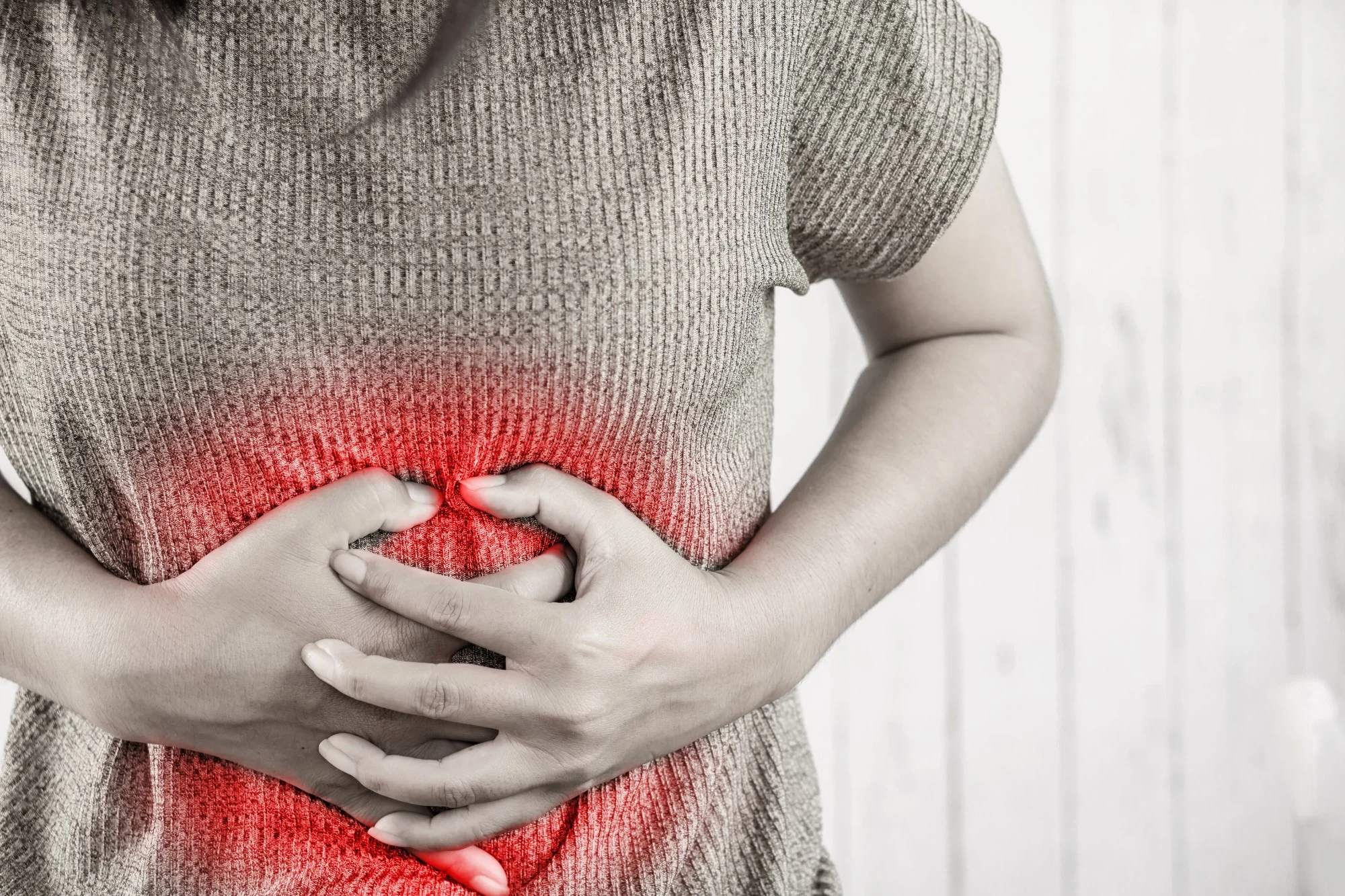
Sharp stomach pain can be alarming. Unlike dull, generalized discomfort, sharp abdominal pain often feels sudden, intense, and localized. While some causes are benign and self-limiting such as gas or indigestion others may signal a more serious underlying condition. Understanding quick, practical interventions can help you manage mild cases effectively while recognizing when medical attention is necessary.
Below is a comprehensive guide to immediate relief strategies, possible causes, and when to consult a healthcare professional.
Sharp stomach pain typically falls into one of these categories:
Gas-related pain
Muscle strain
Indigestion (dyspepsia)
Gastroenteritis
Constipation
Food intolerance
Parasitic or bacterial infections
Inflammatory conditions
The character of pain its location, duration, intensity, and associated symptoms offers important diagnostic clues. Pain in the lower right abdomen may raise suspicion of appendicitis, whereas upper abdominal pain may suggest acid reflux or gastritis.
Heat therapy relaxes abdominal musculature and improves blood circulation. Use a heating pad or warm compress on the affected area for 15–20 minutes. This is particularly helpful for:
Gas pain
Menstrual-related cramps
Muscle tension
Avoid excessive heat to prevent skin burns.
Dehydration exacerbates gastrointestinal distress. Sip room-temperature water slowly. If diarrhea or vomiting accompanies the pain, consider an oral rehydration solution to restore electrolytes.
Avoid carbonated beverages, caffeine, and alcohol, as they may worsen symptoms.
Body posture influences intra-abdominal pressure and gas movement.
Lie on your side with knees drawn toward your chest.
Try gentle stretching or walking to stimulate bowel motility.
Avoid lying flat on your back if experiencing reflux.
Movement encourages the passage of trapped gas and improves circulation.
Certain herbal preparations have carminative and antispasmodic properties:
Peppermint tea relaxes intestinal smooth muscle.
Ginger tea reduces inflammation and nausea.
Chamomile tea may ease mild cramping.
These remedies are most effective for mild digestive upset.
Depending on symptoms, certain OTC options may provide relief:
Antacids for acid-related pain
Simethicone for gas
Loperamide for diarrhea
Mild laxatives for constipation
Always follow labeled instructions and avoid prolonged self-medication without medical consultation.
Sharp stomach pain accompanied by diarrhea, nausea, vomiting, or fever may indicate gastrointestinal infection. These infections can be viral, bacterial, or parasitic.
In some parasitic infections such as those caused by Giardia or Cryptosporidium antiprotozoal medications like nitazoxanide are sometimes prescribed by healthcare providers. Pharmacies and regulated distributors obtain these medications through licensed channels, often working with a certified nitazoxanide supplier to ensure pharmaceutical-grade quality and compliance with safety standards.
It is essential not to self-diagnose or self-medicate with prescription drugs. Laboratory testing is often required to confirm parasitic infections before initiating targeted treatment.
For acute digestive upset:
Bananas
Rice
Applesauce
Toast
These foods are bland, low in fiber, and easy to digest. This approach should only be temporary (24–48 hours).
Common aggravating foods include:
Spicy dishes
Fried foods
High-fat meals
Dairy (if lactose intolerant)
Artificial sweeteners
Keeping a food journal may help identify recurring dietary triggers.
Constipation can cause sudden, stabbing discomfort due to colonic distension.
Quick interventions:
Increase water intake
Consume fiber-rich foods (gradually)
Engage in light physical activity
Consider a mild osmotic laxative if necessary
Chronic constipation warrants medical evaluation to rule out underlying disorders.
Gas pain often presents as sharp, shifting discomfort.
Effective methods include:
Gentle abdominal massage (clockwise motion)
Knee-to-chest stretches
Over-the-counter simethicone
Avoiding rapid eating and carbonated drinks
Eating slowly and chewing thoroughly reduces swallowed air, a common contributor to bloating.
Not all sharp stomach pain can be managed at home. Seek immediate medical attention if you experience:
Severe, worsening pain
Pain lasting more than 24–48 hours
High fever
Blood in stool or vomit
Persistent vomiting
Rigid or tender abdomen
Pain radiating to the shoulder or chest
Signs of dehydration
Conditions such as appendicitis, gallstones, pancreatitis, intestinal obstruction, or ectopic pregnancy require urgent intervention.
Preventing recurrent sharp stomach pain involves lifestyle optimization:
Prioritize whole foods, adequate fiber, lean proteins, and healthy fats.
Aim for consistent daily water intake.
Psychological stress influences gut motility and sensitivity. Consider:
Breathing exercises
Meditation
Regular physical activity
Practice proper hygiene when handling food to reduce risk of bacterial or parasitic infections. Reputable pharmaceutical systems, including those connected with a licensed nitazoxanide supplier, emphasize strict quality controls similarly, your food preparation practices should follow hygienic standards to minimize gastrointestinal illness.
These populations are more vulnerable to dehydration and complications from gastrointestinal conditions.
Monitor fluid intake closely.
Avoid giving adult medications to children without pediatric guidance.
Seek medical advice early if symptoms escalate.
If sharp stomach pain recurs frequently, diagnostic workup may include:
Blood tests
Stool analysis
Ultrasound
CT imaging
Endoscopy
Accurate diagnosis ensures targeted treatment rather than symptomatic management alone.
In infectious cases requiring prescription therapy, healthcare providers rely on regulated pharmaceutical distribution networks. Whether sourcing antibiotics, antivirals, or antiparasitic medications through an approved nitazoxanide supplier or similar channel, quality assurance and compliance remain critical components of patient safety.
Sharp stomach pain ranges from harmless to potentially life-threatening. Quick fixes heat application, hydration, gentle movement, dietary adjustments, and appropriate OTC remedies can effectively manage mild cases. However, persistent or severe pain requires professional assessment.
The key principles are:
Monitor symptom severity and duration.
Use conservative measures initially.
Avoid self-prescribing prescription medications.
Seek medical care when red flags appear.
Your gastrointestinal system is highly responsive to hydration, diet, stress, and hygiene. By addressing these foundational factors, you can reduce the frequency and intensity of sharp abdominal pain episodes and maintain better overall digestive health.