English
 Arabic
 French
 Spanish
 Portuguese
 Deutsch
 Turkish
 Dutch
Dutch
 Italiano
 Russian
 Romaian
 Portuguese (Brazil)
 Greek
Greek

Netflix Partners with Sugar23 – Multi-Year Film Deal
Games |
2026-03-05 08:11:26
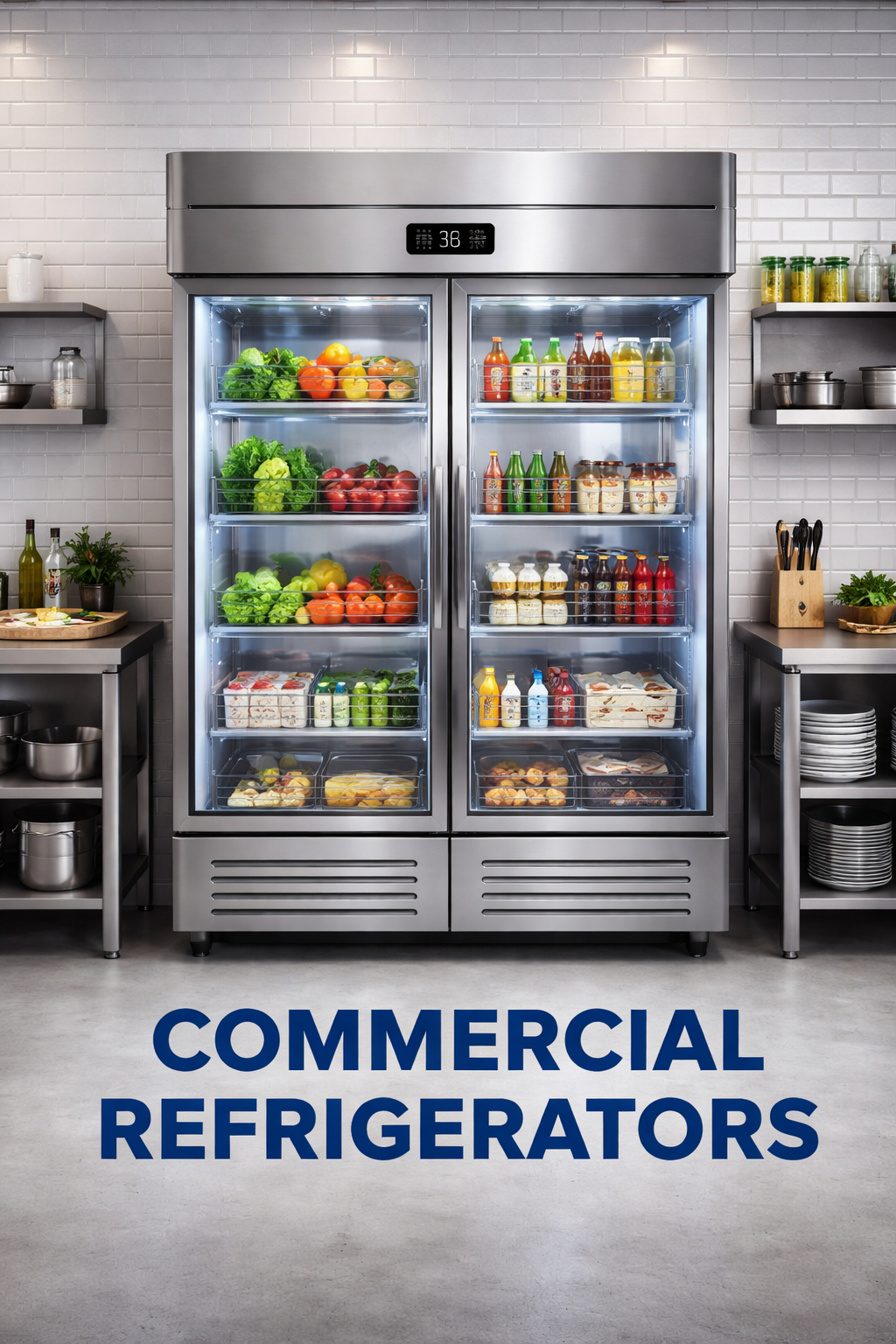
A commercial refrigerator is one of the most important pieces of equipment in any professional kitchen. Whether you run a hotel, restaurant, or café, dependable refrigerated storage helps you keep ingredients fresh, stay compliant with food safety standards, and support efficient kitchen operations.
This guide explains what a commercial refrigerator is, why it matters for your business, and how to choose the right one for your needs.
A commercial refrigerator is a professional-grade cooling unit designed specifically for use in food service environments. Unlike household fridges, these units are built to handle:
Continuous operation throughout long service hours
Frequent door opening during busy shifts
Larger volumes of food and beverage storage
Strict temperature control for food safety
These refrigerators help you store perishable items like dairy, fresh produce, sauces, beverages, and prepped ingredients in a way that supports quality and workflow.
Every commercial kitchen needs reliable refrigeration. Here’s why these units are essential:
Food Safety and Compliance
Maintaining consistent chilled temperatures slows bacterial growth and helps you comply with health standards.
Reliable Ingredient Storage
Commercial refrigerators keep critical ingredients ready for use throughout the day.
Better Kitchen Efficiency
Easy access to chilled items speeds up prep and service, reducing time wasted.
Reduced Food Waste
Consistent cooling conditions help preserve freshness and extend shelf life, cutting down on spoilage.
Commercial refrigerators come in different styles to match kitchen needs and layouts:
Tall vertical units with shelves that provide organised chilled storage. These are ideal for general use in back-of-house kitchens.
Compact units that fit under workstations, prep tables, or counters. They save space and bring chilled storage close to where food preparation happens.
Simple, reliable units with a single door. These are suitable for kitchens with moderate chilled storage needs.
Larger units with two doors and expanded interior capacity. They work well in busy kitchens that handle high volumes of ingredients.
Designed for front-of-house or display areas, these let staff or customers see contents at a glance without opening the doors, which helps reduce energy loss.
When choosing a commercial refrigerator, pay attention to these important features:
Temperature Control and Stability
Precise and reliable temperature management ensures ingredients stay safe and fresh.
Durable Construction
Stainless steel interiors and exteriors resist corrosion and stand up to daily cleaning and use.
Adjustable Shelving
Flexible shelving lets you organise stored items efficiently and make the best use of space.
Energy Efficiency
Refrigerators in commercial kitchens run all day, so energy-efficient models help lower operating costs.
Ease of Cleaning and Maintenance
Removable shelves and smooth interior surfaces make cleaning faster and help maintain hygiene.
Here’s how the right commercial refrigerator can positively affect kitchen operations:
Faster Ingredient Access: Staff can grab chilled items quickly during prep and service.
Better Organisation: Shelved compartments make it easier to separate and find ingredients.
Consistent Quality: Stable cooling supports freshness and reduces spoilage.
Improved Food Safety: Consistent temperatures help your kitchen meet hygiene standards.
These benefits help your team work more efficiently, especially when service is at its busiest.
Thinking about your kitchen layout and needs can help you choose the right unit:
Assess Storage Volume
Estimate how much chilled storage you need daily. Larger kitchens may require double door or multi-door units, while smaller spaces could use undercounter models.
Measure Available Space
Make sure the refrigerator fits your kitchen layout without disrupting workflow.
Match to Menu Requirements
If you serve a lot of chilled drinks, a glass door fridge helps with display and access. If bulk ingredient storage matters, upright models may be the best fit.
Consider Maintenance and Support
Choose units that are easy to clean and work with suppliers who offer reliable after-sales support.
A commercial refrigerator is more than just cold storage. It supports food safety, improves kitchen efficiency, and helps your team deliver quality service consistently. Choosing the right model based on your kitchen size, menu needs, and space will make a noticeable difference in daily operations.