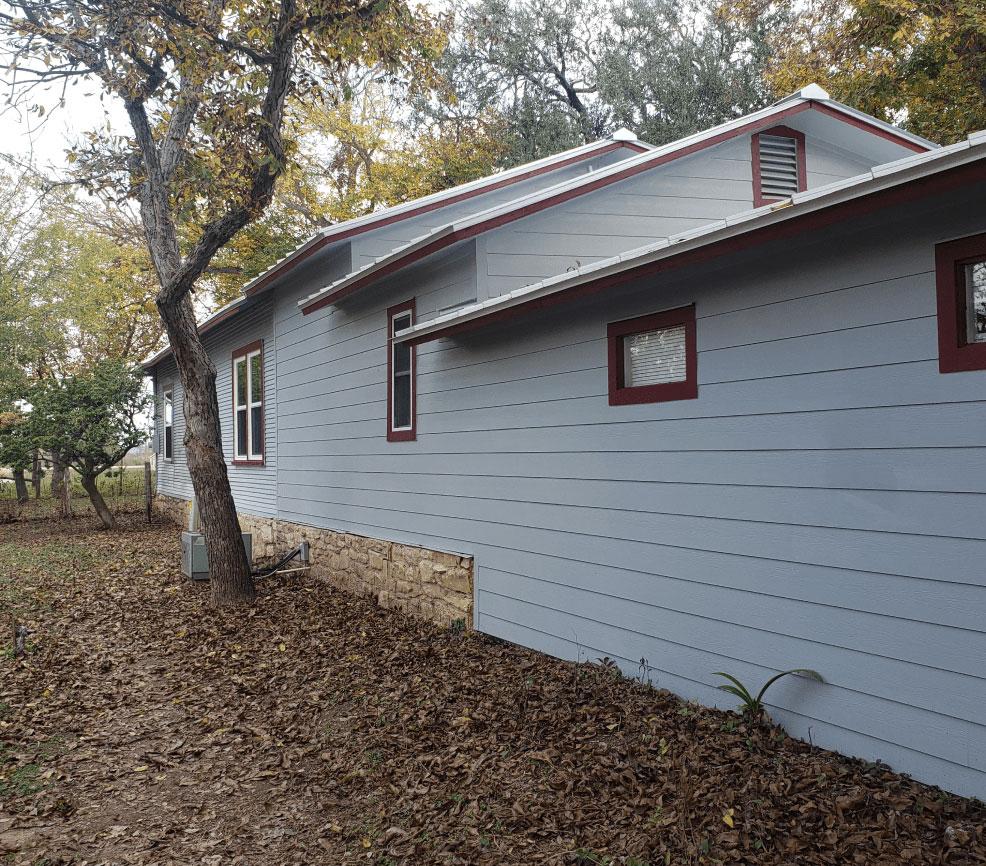
Your home’s siding is more than just a decorative feature. It acts as a protective shield that defends your property from harsh weather, moisture, pests, and structural deterioration. When siding is in good condition, it keeps your home insulated, dry, and visually appealing. However, when siding becomes damaged, even small problems can quickly turn into expensive repairs if they are ignored.
Many homeowners do not realise there is a problem until they see visible cracks, warping, fading, or moisture stains. By the time these signs appear, the underlying structure may already be affected. Understanding what causes siding damage and knowing how to fix it early can save you significant money and prevent serious structural issues.
This guide explains the most common causes of siding damage, how to identify early warning signs, and what you can do to fix and prevent the problem before it gets worse.
Why Siding Is So Important for Your Home
Siding serves multiple essential functions. It protects the structural frame of your home from rain, wind, sunlight, and temperature changes. It also helps regulate indoor temperature by providing insulation, which improves energy efficiency and reduces heating and cooling costs.
Beyond protection and insulation, siding contributes to the overall appearance and value of your property. Well maintained siding enhances curb appeal and gives the impression of a strong, well cared for home. On the other hand, damaged siding can make your home look neglected and may reduce its market value.
When siding fails, it exposes your home to moisture infiltration, mould growth, pest entry, and structural damage. That is why early detection and repair are critical.
Weather Exposure and Environmental Stress
One of the most common causes of siding damage is constant exposure to weather. Over time, siding materials naturally expand and contract due to temperature changes. This repeated movement can cause cracking, warping, and loosening.
Strong winds can loosen panels or create gaps between siding sections. Heavy rain can seep behind damaged siding and cause moisture buildup. Extended sun exposure can fade colour and weaken materials, making them brittle and more prone to cracking.
Seasonal temperature changes also play a major role. When materials repeatedly heat up and cool down, they can lose their original shape. This leads to warping, buckling, or separation.
How to Fix Weather Related Damage
If you notice loose panels, small cracks, or gaps, these should be repaired immediately. Loose siding can often be reattached or secured properly. Small cracks can be sealed using appropriate exterior sealants designed for your siding material.
If panels are severely warped or brittle, replacement is usually the best solution. Trying to repair heavily damaged siding may only provide a temporary fix and could allow moisture to enter later.
Regular inspection after storms or extreme weather helps identify damage early.
Moisture and Water Infiltration
Moisture is one of the most dangerous threats to siding and the structure behind it. Water can enter through cracks, gaps, or improperly installed sections. Once moisture gets behind the siding, it can lead to mould, mildew, and wood rot.
Moisture damage often develops slowly, making it difficult to detect in the early stages. You may notice paint peeling, bubbling, or staining. In severe cases, siding may feel soft or spongy.
Poor drainage, clogged gutters, and improper installation can increase the risk of water infiltration.
How to Fix Moisture Damage
The first step is to identify and stop the source of water entry. This may involve repairing cracks, sealing gaps, or fixing drainage issues.
Damaged siding sections should be removed and replaced. If the underlying structure has been affected, it must also be repaired before installing new siding.
Proper sealing and installation are essential to prevent future moisture problems.
Poor Installation and Workmanship
Improper installation is a major cause of siding failure. If siding is not installed correctly, it may not expand and contract properly. This can lead to buckling, gaps, or premature wear.
Common installation mistakes include fastening siding too tightly, failing to allow for expansion, and improper alignment. Poor sealing around joints and corners can also allow water to enter.
Even high quality siding materials can fail quickly if installation is not done correctly.
How to Fix Installation Problems
In many cases, improperly installed siding must be removed and reinstalled correctly. Attempting to fix individual sections without addressing the underlying installation issue may not solve the problem.
Professional inspection can help identify installation errors and determine the best course of action.
Impact Damage from External Objects
Siding can also be damaged by physical impact. This may include debris carried by strong winds, falling branches, or accidental contact with tools or equipment.
Impact damage often appears as cracks, dents, or holes. Even small impact damage can allow moisture and pests to enter.
Vinyl and fibre cement siding can crack under strong impact, while timber siding may split or chip.
How to Fix Impact Damage
Minor dents or cracks can sometimes be repaired using filler or patching materials. However, larger cracks or holes usually require replacing the damaged panel.
It is important to repair impact damage quickly to prevent further deterioration.
Pest and Insect Activity
Pests such as termites, ants, and rodents can cause serious siding damage. Timber siding is especially vulnerable to insect infestation. Pests may chew through siding or create entry points into your home.
Once pests enter, they can damage the internal structure and insulation.
Signs of pest damage include small holes, wood dust, hollow sounding panels, and visible pest activity.
How to Fix Pest Damage
Damaged siding should be replaced and the pest problem must be treated. Professional pest control may be necessary to eliminate infestations.
Preventive measures include sealing gaps and using pest resistant materials.
Aging and Natural Wear Over Time
All siding materials have a lifespan. Over time, exposure to weather and environmental conditions causes natural wear and deterioration.
Older siding may become brittle, faded, or weak. This makes it more vulnerable to cracking and moisture infiltration.
Even well maintained siding will eventually need repair or replacement.
How to Fix Age Related Damage
Regular maintenance can extend the life of siding. Cleaning, sealing, and repainting can help protect materials.
If siding has reached the end of its lifespan, replacement may be the most effective solution.
Upgrading to modern materials can improve durability and energy efficiency.
Lack of Maintenance
Neglecting maintenance can accelerate siding damage. Dirt, debris, and moisture buildup can weaken siding over time.
Blocked gutters can cause water to overflow onto siding. This increases the risk of moisture damage.
Regular inspection and cleaning are essential to keep siding in good condition.
How to Fix Maintenance Related Issues
Cleaning siding regularly helps remove dirt and prevent buildup. Inspect siding for cracks, gaps, or loose sections.
Address small problems immediately before they worsen.
Maintaining gutters and drainage systems also protects siding.
Warning Signs That Your Siding Needs Immediate Attention
Recognising early warning signs can help prevent serious damage. Common signs include visible cracks, warping, loose panels, and fading.
You may also notice peeling paint, mould growth, or increased energy bills. These signs indicate your siding may no longer be providing proper insulation.
If you notice any of these issues, it is important to act quickly.
Repair vs Replacement. How to Decide
In some cases, siding can be repaired. Minor cracks, loose panels, and small areas of damage can often be fixed without full replacement.
However, widespread damage, severe moisture problems, or aging siding may require replacement.
A professional inspection can help determine the best option.
Replacing damaged siding not only protects your home but also improves its appearance and value.
How to Prevent Siding Damage in the Future
Preventive care is the best way to protect your siding. Regular inspection helps identify problems early.
Keep gutters clean to prevent water overflow. Trim trees and branches to avoid impact damage.
Ensure proper drainage around your home. Address small issues immediately before they become serious.
Professional installation and quality materials also reduce the risk of future damage.
The Importance of Professional Inspection and Repair
While some minor repairs can be handled by homeowners, professional inspection ensures that hidden problems are identified and fixed properly.
Professionals can detect moisture infiltration, structural damage, and installation issues that may not be visible.
Proper repair and installation protect your home and extend the life of your siding.
Conclusion
Siding plays a critical role in protecting your home from environmental damage, moisture, pests, and structural deterioration. Many factors can cause siding damage, including weather exposure, moisture infiltration, poor installation, impact damage, pests, aging, and lack of maintenance.
Ignoring siding problems can lead to serious structural issues and expensive repairs. Early detection and prompt repair are essential to prevent damage from getting worse.
Regular inspection, proper maintenance, and timely repairs help protect your home and ensure your siding remains strong and effective for years to come. Investing in quality materials and professional installation provides long term protection, improves energy efficiency, and enhances the overall value of your property.
By understanding the causes of siding damage and taking action early, you can protect your home and avoid costly repairs in the future.
 English
 Arabic
 French
 Spanish
 Portuguese
 Deutsch
 Turkish
 Dutch
Dutch
 Italiano
 Russian
 Romaian
 Portuguese (Brazil)
 Greek
Greek