English
 Arabic
 French
 Spanish
 Portuguese
 Deutsch
 Turkish
 Dutch
Dutch
 Italiano
 Russian
 Romaian
 Portuguese (Brazil)
 Greek
Greek

Advanced Chemical Peel Procedures in Dubai for Skin Brightening
Health |
2026-02-26 03:44:51
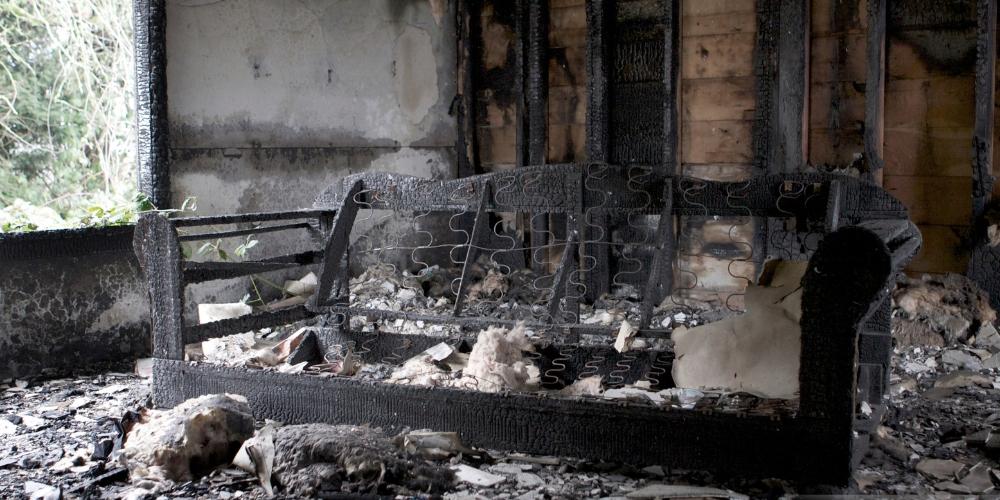
Smoke odor is one of the most stubborn and unpleasant problems that can infiltrate your home. Whether it’s the lingering smell of cigarette smoke, a fire that has caused significant damage, or smoke from a wildfire, the scent can seep into furniture, carpets, walls, and even the air itself. The effects of smoke odor can be pervasive and challenging to eliminate, but with the right approach, it is possible to get rid of it.
This article will walk you through various effective methods for removing smoke odor from your home, from DIY solutions to professional services. We will also discuss the importance of smoke damage restoration services and how they can help eliminate smoke odors that are difficult to tackle on your own.
Smoke odor is not just unpleasant—it’s a result of chemicals and particles that get deposited on surfaces in your home. When you burn something, such as wood, tobacco, or food, the combustion process releases numerous chemicals and compounds. These include tar, nicotine, carbon monoxide, volatile organic compounds (VOCs), and particulates. These substances can stick to various surfaces, making the odor difficult to eliminate.
The persistence of smoke odor is largely due to its ability to penetrate porous materials like fabrics, carpets, and drywall. Even when you don’t see visible smoke damage, the smell may still linger, especially if a fire or a long history of smoking is involved.
In addition to the inconvenience and discomfort that smoke odor causes, it also poses potential health risks. Prolonged exposure to smoke, especially tobacco or fire-related smoke, can irritate the respiratory system and worsen allergies. For people with asthma, smoke odor can trigger breathing difficulties, coughs, and wheezing. Additionally, the toxic chemicals present in smoke can harm your health over time, particularly when the odor is not adequately removed.
To prevent health issues and restore a fresh environment, addressing the smoke odor promptly is essential. Here’s a breakdown of effective methods for removing smoke odor from your home.
The first and easiest step in eliminating smoke odor is to increase ventilation. Fresh air can help dilute and disperse smoke particles that are lingering in your home. If possible, open windows and doors to allow airflow through your home. Using fans can also help push the smoke odor out of the home.
How to do it: Open windows and doors, especially on opposite sides of your home to create a cross breeze. Turn on fans to help move air around, and consider using exhaust fans in kitchens and bathrooms to remove smoke particles.
Why it helps: Ventilation allows smoke to dissipate more quickly, reducing its intensity. Fresh air can help flush out the stale air filled with smoke particles.
Because smoke particles tend to cling to surfaces, a thorough cleaning is crucial for removing the odor. Walls, ceilings, floors, furniture, and appliances can all absorb smoke particles over time, so they need to be cleaned carefully.
How to do it: Start by wiping down all hard surfaces, including walls, windowsills, countertops, and baseboards, with a mixture of warm water and mild dish soap or vinegar. For porous materials like wood, consider using a specialized wood cleaner to avoid damage. Don’t forget to clean light fixtures and ceiling fans, as smoke particles can accumulate on these surfaces as well.
Why it helps: Cleaning surfaces removes the smoke particles that contribute to the odor. Regular dusting and wiping down will help reduce the intensity of the smoke smell.
Baking soda is a powerful odor neutralizer that can help eliminate smoke smells from various surfaces, including carpets, upholstery, and even mattresses. Its absorbent properties make it a go-to solution for neutralizing stubborn odors.
How to do it: Sprinkle baking soda generously on carpets, rugs, and upholstery. Allow it to sit for at least 15 minutes, or even overnight, depending on the severity of the smell. After the waiting period, vacuum up the baking soda.
Why it helps: Baking soda absorbs the odor-causing molecules in the smoke, leaving behind a fresher smell. It’s a non-toxic and safe way to tackle the odor.
Charcoal and activated carbon are excellent at absorbing and neutralizing smoke odors. These materials work by attracting the odor molecules and trapping them, effectively reducing the presence of the smoke smell in your home.
How to do it: Place bowls of activated charcoal around the affected areas of your home. You can also use activated carbon filters in your HVAC system to help purify the air. Alternatively, you can buy charcoal bags specifically designed for odor absorption.
Why it helps: Activated carbon is known for its high absorption capacity. It helps trap odor molecules and neutralizes them, improving the air quality in your home.
When smoke infiltrates your home, it also impacts the air quality. Air filters in your HVAC system, air purifiers, and even in your vacuum cleaner can accumulate smoke particles, worsening the odor. Cleaning or replacing these filters can go a long way in improving air quality and reducing the smell.
How to do it: Replace the filters in your air conditioning and heating units. If you have an air purifier, replace its filter as well. If your vacuum cleaner has a HEPA filter, replace it to ensure that it’s not spreading the odor around as you clean.
Why it helps: Clean air filters prevent smoke particles from circulating through your home. This helps improve the air quality and reduces the smoke odor in your home.
While traditional air fresheners may only mask the smell of smoke, odor neutralizers go a step further by breaking down the odor molecules. You can find various products designed specifically to tackle smoke odor, including sprays, gels, and plug-in devices.
How to do it: Choose an odor-neutralizing product that’s labeled to remove smoke odor. Use it in rooms with the most significant smell and allow the product to work over time.
Why it helps: These products break down the chemicals and particles that contribute to the smoke smell, helping to eliminate the odor at its source.
Smoke odor can cling to fabrics, such as curtains, upholstery, bedding, and clothing. Washing these fabrics thoroughly can help remove the odor and freshen up the space.
How to do it: Wash curtains, bedding, and clothing in hot water with a strong detergent and add a cup of vinegar to the wash cycle. For upholstered furniture, use a fabric cleaner that is designed to neutralize odors.
Why it helps: Washing fabrics removes smoke particles that have been absorbed, helping to freshen the air in your home.
An ozone generator is a specialized machine that can effectively neutralize smoke odors by releasing ozone (O₃) into the air. Ozone attaches to odor molecules, neutralizing them and leaving the air fresh.
How to do it: If you choose to use an ozone generator, make sure to follow the manufacturer’s instructions carefully. Be aware that ozone can be harmful to your health, so avoid being in the area while the generator is running.
Why it helps: Ozone generators are one of the most powerful tools for removing strong odors, including smoke. They work by oxidizing and neutralizing the odor molecules in the air.
For severe smoke damage or if you’re unable to remove the odor completely, it’s time to call for professional help. Smoke damage restoration services are equipped with specialized tools and techniques to remove smoke particles from your home’s structure, air ducts, and furniture. Professionals can also assess the extent of the damage and ensure that everything is properly cleaned and restored.
Why it helps: Smoke damage restoration services have the experience and equipment necessary to handle even the most challenging smoke odor situations. They can clean your home’s structure and airways, eliminating the odor more effectively than DIY methods.
Finally, if the smoke odor persists after cleaning and airing out your home, it may be a sign of ongoing issues. For example, lingering smoke smells may indicate hidden damage, such as smoke particles trapped in the walls or attic, or an HVAC system that’s been contaminated.
Why it helps: Identifying and addressing the underlying causes of the smoke odor ensures that the problem is fully resolved and helps prevent the odor from returning.
Getting rid of smoke odor in your home requires a combination of effective cleaning, deodorizing, and sometimes professional assistance. While there are various DIY methods available, including using baking soda, charcoal, and vinegar, more severe smoke damage may require the expertise of smoke damage restoration services. These professionals can thoroughly clean your home and ensure that the odor is eliminated from all affected areas.
If your home has experienced water damage in addition to smoke damage, flood damage cleanup services may also be necessary to ensure that all moisture is removed and mold does not develop. No matter the severity of the smoke odor, taking immediate action and using the right methods can help restore your home to a fresh and healthy environment.