English
 Arabic
 French
 Spanish
 Portuguese
 Deutsch
 Turkish
 Dutch
Dutch
 Italiano
 Russian
 Romaian
 Portuguese (Brazil)
 Greek
Greek

Celebrate Easter at Canterbury League Club – Fun, Food & Festivities
Food |
2026-03-11 07:35:56
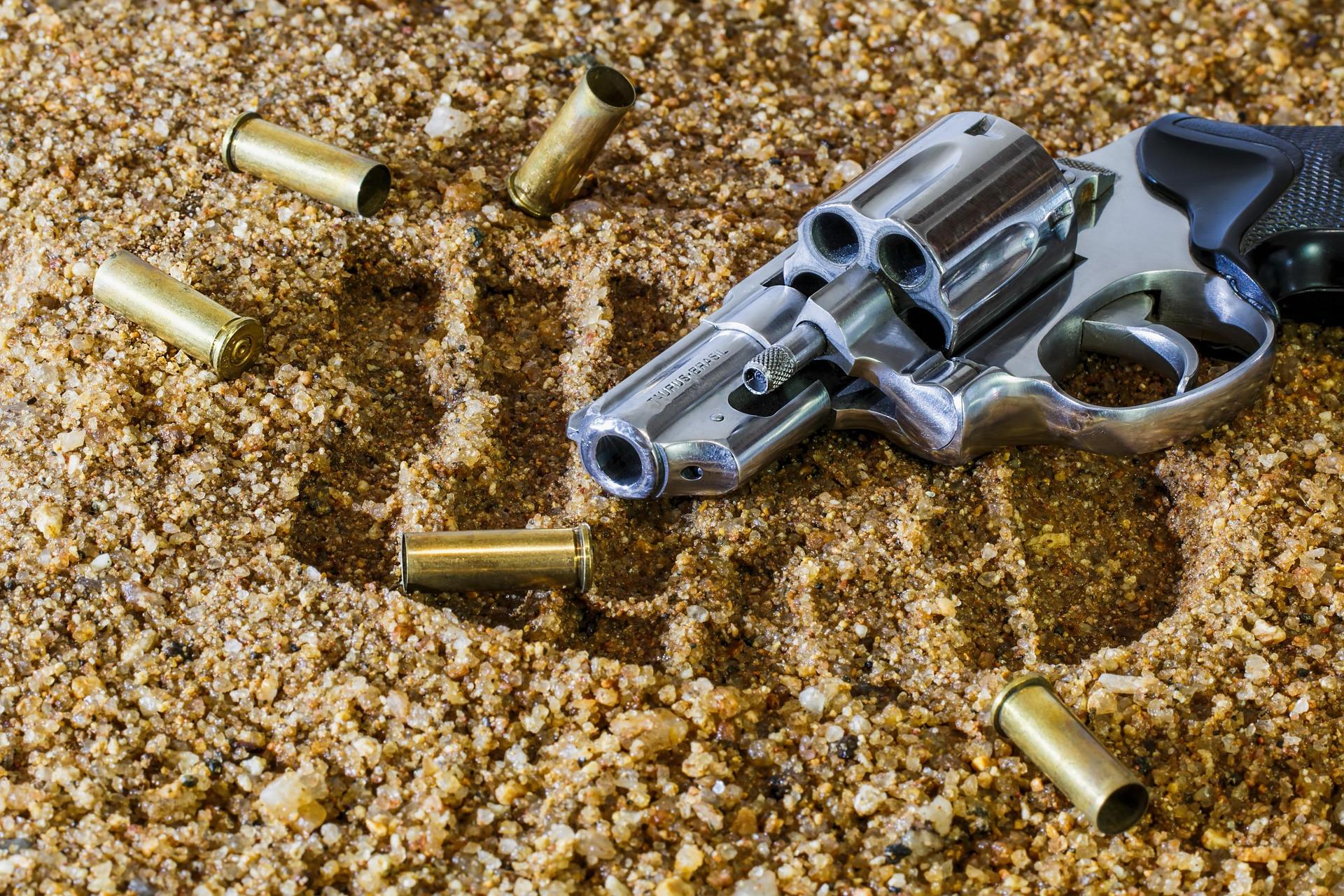
When it comes to defensive firearms and field sidearms, few categories spark as much debate as 410 Pistols. Designed to chamber .410 bore shotshells—often alongside traditional handgun cartridges like .45 Colt—these hybrid revolvers blur the line between shotgun and handgun. Supporters praise their versatility and close-range effectiveness, while critics question their ballistics and practicality compared to conventional semi-autos and revolvers.
So how do 410 Pistols truly stack up against traditional handguns in terms of ballistics, recoil, accuracy, and real-world performance? Let’s break it down in detail.
What Are 410 Pistols?
410 Pistols are typically revolvers chambered to fire .410 bore shotgun shells, often in 2½-inch or 3-inch configurations. Many models are also capable of firing .45 Colt cartridges, giving users dual-caliber flexibility.
Two of the most recognized platforms include:
Unlike semi-automatic pistols chambered in 9mm or .45 ACP, these firearms rely on a revolving cylinder and rifled barrel. That rifling becomes a key factor in how .410 shotshells perform from a handgun-length barrel.
Traditional Handguns: The Baseline
For comparison, traditional handguns typically fall into two categories:
These firearms fire single-projectile bullets designed for predictable ballistic performance, consistent expansion (in defensive loads), and manageable recoil.
The question becomes: does firing multiple projectiles (buckshot) from a handgun-length barrel provide a meaningful advantage?
Ballistics: Single Projectile vs Multiple Pellets
410 Shotshell Performance
In a defensive context, .410 handgun loads typically fall into three categories:
From a short-barreled revolver, a .410 buckshot load may fire three to five pellets, depending on the configuration. However, because these handguns use rifled barrels, centrifugal force spreads the pellets more rapidly than a smoothbore shotgun would.
At typical indoor distances (7–10 yards):
Traditional Handgun Ballistics
By contrast, a 9mm or .45 ACP defensive round:
The single, controlled projectile often results in more consistent terminal performance.
Accuracy and Effective Range
Accuracy is one of the biggest differentiators.
410 Pistols
Because of rapid pellet spread, effective buckshot range is generally limited to:
When firing .45 Colt from the same revolver, accuracy improves dramatically. However, longer cylinder lengths in some models may slightly affect precision compared to dedicated .45 Colt revolvers.
Traditional Handguns
Modern semi-autos and revolvers routinely maintain effective accuracy out to:
This gives traditional handguns a significant edge in versatility and engagement distance.
Recoil and Controllability
Recoil perception varies.
410 Buckshot
Despite being a small bore, .410 defensive loads can produce sharp recoil in lightweight revolvers. The combination of shotgun powder charges and revolver ergonomics can surprise new shooters.
9mm and .45 ACP
Semi-autos benefit from recoil spring systems and slide cycling that help mitigate felt recoil. Many shooters find:
In terms of speed and shot-to-shot recovery, traditional semi-autos often have the advantage.
Capacity and Reload Speed
410 revolvers typically hold:
Semi-automatic pistols often carry:
Reloading a revolver—even with speed loaders—is generally slower than swapping magazines in a semi-auto platform.
Capacity matters in defensive planning, and this is one area where traditional handguns clearly lead.
Mid-Article Reality Check: Where 410 Pistols Shine
At this point in the discussion, it’s important to highlight where 410 Pistols genuinely excel.
They are not designed to replace duty pistols or high-capacity defensive handguns. Instead, they offer:
For snake control, camping, or rural property use, a .410 shotshell from a handgun can be extremely practical at close distances.
When discussing real-world utility rather than pure ballistic metrics, 410 Pistols carve out a specialized but legitimate role.
Home Defense Considerations
Home defense is often the primary context for comparison.
Overpenetration
Traditional defensive handgun rounds are engineered for controlled expansion and penetration within established ballistic standards.
Pattern Spread Indoors
At across-the-room distances (10–15 feet), pellet spread may still be relatively tight, but it will not create the “room-filling” spread some assume.
Shot placement remains critical—regardless of projectile count.
Versatility Factor
One major strength of 410 revolvers is dual-caliber flexibility.
For example, the Taurus Judge allows users to carry:
This versatility makes them appealing as:
Traditional semi-autos do not offer that kind of ammunition flexibility.
Reliability and Simplicity
Revolvers are mechanically simple. They are not dependent on:
This simplicity appeals to many shooters who prefer straightforward operation.
However, semi-autos have become extremely reliable over decades of refinement.
Cost and Ammunition Availability
.410 defensive ammunition is often:
9mm remains one of the most affordable and abundant handgun calibers worldwide.
For high-volume training, traditional handguns typically offer a cost advantage.
Concealability and Carry Practicality
Most 410 revolvers are:
They are not ideal for concealed carry compared to compact 9mm pistols.
While some models offer shorter barrels, overall bulk remains a consideration.
Training and Skill Development
Traditional semi-autos encourage:
410 revolvers require understanding:
Both platforms demand training—but traditional handguns may provide broader skill applicability.
Who Should Choose a 410 Pistol?
Ideal users include:
Those prioritizing:
May lean toward traditional semi-autos.
Final Verdict: Ballistics vs Practical Utility
When comparing 410 Pistols to traditional handguns strictly on ballistic consistency, accuracy, capacity, and versatility in defensive roles, conventional semi-autos and revolvers often hold the advantage.
However, real-world performance is about more than numbers.
410 Pistols provide:
They occupy a niche—but it is a legitimate one.
If you’re considering adding one to your collection, comparing available models and configurations is essential. Online marketplaces like GunsAmerica often list both new and used .410 revolvers alongside traditional handguns, giving buyers a broad perspective on pricing and availability.
In the end, the choice between a 410 revolver and a traditional handgun depends on your intended use. For maximum defensive efficiency and capacity, modern semi-autos are hard to beat. For versatility, rural practicality, and specialized close-range applications, 410 Pistols continue to offer a compelling alternative in today’s firearms landscape.