English
 Arabic
 French
 Spanish
 Portuguese
 Deutsch
 Turkish
 Dutch
Dutch
 Italiano
 Russian
 Romaian
 Portuguese (Brazil)
 Greek
Greek

Netflix's European Expansion: New Hub & Jobs
Games |
2026-01-26 07:15:53
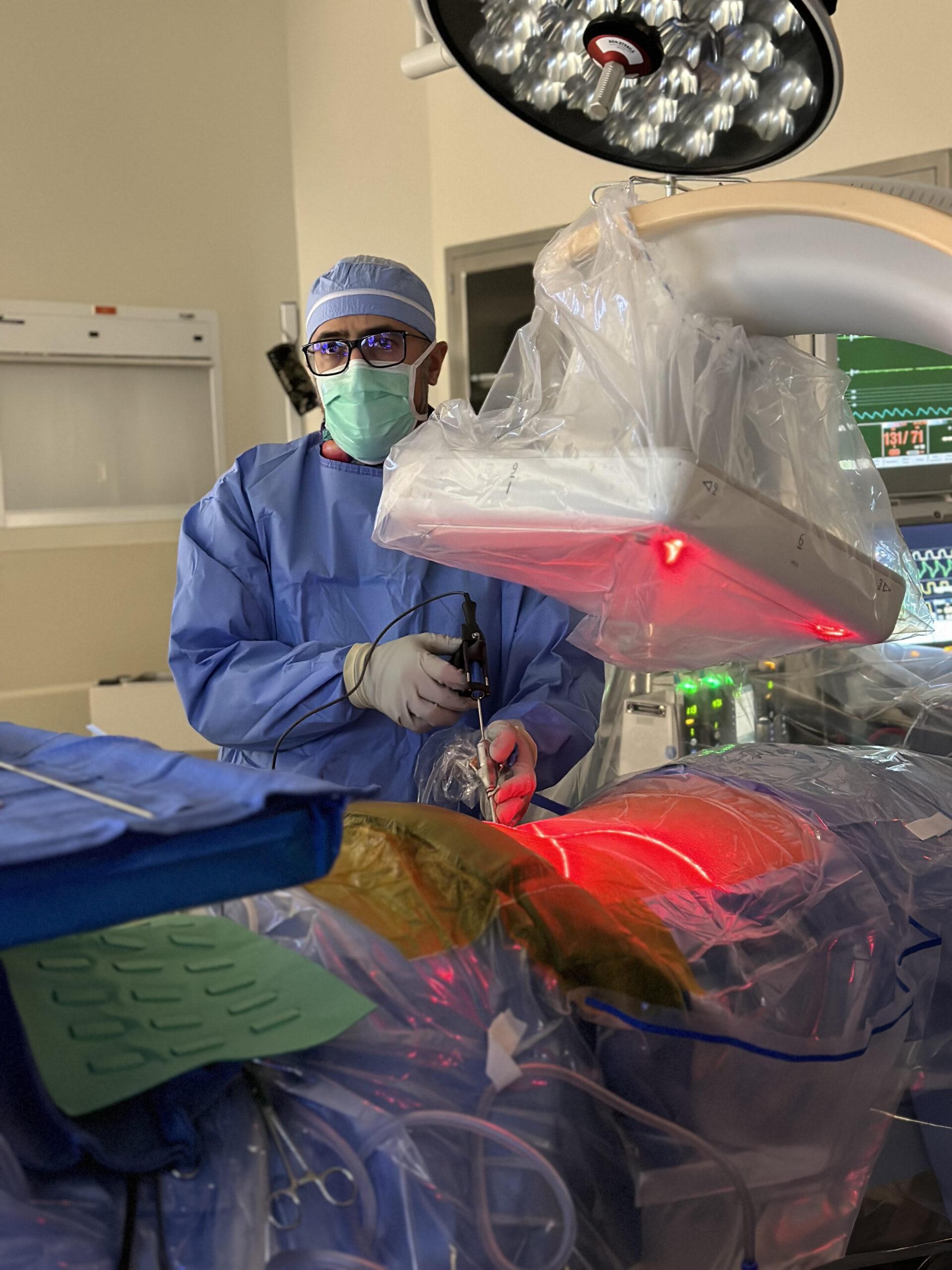
When a spinal fusion fails to relieve pain, maintain alignment, or causes new neurological symptoms, a revision surgery may be considered—but it is not a decision to be taken lightly. The evaluation begins with a comprehensive clinical interview in which your surgeon reviews the history of the original procedure, the nature and timing of your current symptoms, and your functional goals (e.g., returning to work, resuming sports, or simply achieving pain‑free daily activities). A detailed physical examination follows, focusing on gait, posture, neurologic deficits, and range of motion to pinpoint the exact source of discomfort. High‑resolution imaging—typically a combination of standing X‑rays, CT scans, and MRI—provides a three‑dimensional view of hardware position, bone graft integrity, and any adjacent‑segment degeneration that may be contributing to the problem.
Next, the surgeon assesses your overall health: cardiovascular status, bone density, smoking history, diabetes control, and body‑mass index are all weighed because they influence both the risk of complications and the likelihood of a successful fusion. Laboratory studies (CBC, metabolic panel, inflammation markers) and, when indicated, a bone‑density scan (DEXA) help confirm that you are a suitable candidate for another operation.
With this data in hand, the care team outlines realistic expectations, discussing the potential benefits (pain reduction, improved stability, halted progression of deformity) against the inherent risks (infection, nerve injury, non‑union, prolonged recovery). They may also explore non‑operative alternatives such as physical therapy, targeted injections, or pain‑management programs, especially if your symptoms are modest or your health status makes surgery high‑risk.
Finally, a second opinion from another spine specialist is often encouraged, as it can provide fresh insight into complex cases and confirm that revision surgery truly aligns with your personal goals. By systematically reviewing your symptoms, imaging findings, medical fitness, and treatment alternatives, you and your surgeon can make an informed, collaborative decision about whether a spinal fusion revision is the right path forward.