English
 Arabic
 French
 Spanish
 Portuguese
 Deutsch
 Turkish
 Dutch
Dutch
 Italiano
 Russian
 Romaian
 Portuguese (Brazil)
 Greek
Greek

Rehabilitation Centres: A Path Toward Recovery and Healing
Art |
2026-03-08 05:42:01
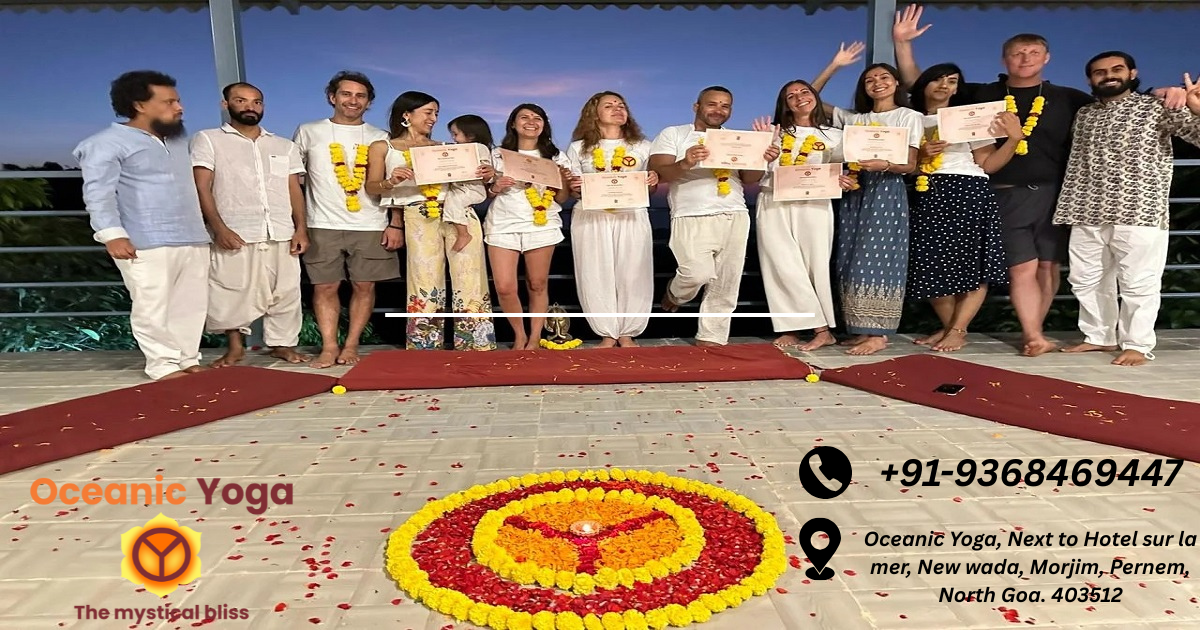
Sound healing has emerged as a transformative practice for mind, body, and spirit alignment. Whether you are a beginner or an experienced practitioner, a structured Sound Healing Course can equip you with practical techniques, hands-on experience, and certification to advance your journey. This guide walks you through every aspect of sound healing training, from courses to practical application, step by step.
Sound healing uses vibrations, frequencies, and resonance to restore balance in the body. Techniques often involve instruments like:
Singing bowls (Tibetan and crystal)
Gongs
Chimes
Tuning forks
Voice and chanting
Sound waves influence energy centers (chakras), improve mental clarity, and reduce stress. Courses train you to:
Identify specific frequencies for different chakras
Conduct sessions with clients or groups
Integrate sound with yoga or meditation practices
Sound healing courses can be structured for beginners, advanced practitioners, or professionals combining yoga training.
|
Course Type |
Duration |
Outcome |
Ideal For |
|
Beginner Sound Healing Course |
1–2 weeks |
Practical tools for self-healing |
Beginners, yoga enthusiasts |
|
Practitioner Training |
4–6 weeks |
Certification as a sound healing practitioner |
Therapists, wellness coaches |
|
Integrated Yoga & Sound Healing |
200–300 hours |
Combines yoga teacher training with sound therapy |
Yoga teachers, retreat instructors |
|
Online Sound Healing Training |
4–12 weeks |
Flexible learning with live sessions |
Working professionals, distant learners |
Tip: Choose a course that offers both theory and hands-on sessions for best results.
Tibetan Singing Bowls: Stimulate relaxation and chakra alignment
Crystal Bowls: Clear higher-frequency energy
Gongs: Release tension and enhance meditative states
Tuning Forks: Target precise energy points for balancing
Start with 5–10 minutes of tuning for yourself
Layer instruments to create harmonious resonance
Adjust intensity according to client comfort
Pro Tip: Many courses include a “tool kit” to practice both in class and at home.
Learn basic sound theory: vibrations, frequencies, resonance
Introduction to chakra system and energy centers
Understanding meditation techniques integrated with sound
Practice using bowls, gongs, and chimes in sessions
Learn breathing techniques and mantras to enhance effect
Conduct short guided sessions in supervised settings
Conduct full-length group sessions
Learn diagnostic techniques to identify energy blockages
Practice professional etiquette and client management
Tip: Keep a personal sound journal to track results during practice.
Many practitioners combine Sound Healing Course training with yoga for enhanced results.
|
Yoga Style |
Benefits of Sound Integration |
|
Hot Yin Yoga |
Deep tissue relaxation with vibrational support |
|
Hatha & Vinyasa |
Enhances mindfulness and flow |
|
Meditation Yoga |
Amplifies focus and emotional release |
Tip: Try pairing yin yoga positions with specific singing bowl frequencies to open tight areas in the body.
Becoming a certified sound healing practitioner can help you:
Conduct professional sessions in wellness centers
Integrate sound therapy into yoga classes or retreats
Offer emotional healing retreats and workshops
Recommended Credentials:
200–300 hour yoga teacher training with sound integration
Dedicated sound healing training programs recognized internationally
Anchor Tip: You can also explore 200 hrs yoga teacher training Goa or 300 hour yoga teacher training in India courses for combined certification.
Mix Ayurvedic practices with sound therapy for holistic benefits
Use aroma, breathing, and yoga sequences during sessions
Centering meditation (5 min)
Chakra-focused sound journey (15–20 min)
Gentle yoga sequence (10 min)
Closing relaxation with soft gong resonance (5 min)
Track client responses to different frequencies to refine personalized sessions.
Focused sessions to release stress, trauma, and emotional blockages
Often located in serene environments like Goa for immersive experience
Combine Ayurvedic treatments and sound healing classes
Provides a complete sensory and healing experience
Tip: Attend at least one practical retreat to observe real-world application of sound healing techniques.
Using the right products can improve learning and session quality:
Singing Bowls: For chakra alignment and vibration practice
Tuning Fork Sets: Targeted energy balancing
Meditation Cushions: Maintain comfort during long sessions
Sound Therapy Kits: Comprehensive starter kits for beginners and practitioners
Anchor Example: If you are enrolling in a sound healing practitioner course, having your personal sound therapy kit ensures consistent practice.
|
Feature |
Online |
Offline (Goa/India) |
|
Flexibility |
High, self-paced |
Low, scheduled classes |
|
Hands-on Practice |
Limited |
Full hands-on with instruments |
|
Retreat Integration |
Optional |
Built-in, immersive experience |
|
Certification |
Recognized |
Internationally recognized & practical |
Pro Tip: For beginners, online courses are ideal; for practitioner certification, offline immersive training is best.
Practice daily with at least one instrument
Keep a session journal for personal growth
Attend group practice sessions or local meetups
Pair yoga and sound healing for faster results
Quick Tip Table
|
Activity |
Frequency |
Benefit |
|
Personal practice |
Daily |
Builds intuition and skill |
|
Group sessions |
Weekly |
Gain feedback and real-world experience |
|
Meditation |
Daily |
Enhances sound resonance perception |
|
Retreat participation |
Quarterly |
Immersive learning & networking |
Start with a Tibetan singing bowl or small tuning fork set. Practice daily and gradually add instruments as you gain confidence.
Yes, integrate bowls or chimes during yin yoga positions or hot yin yoga sessions to enhance muscle relaxation and mental focus.
Start with 10–15 minutes daily, gradually increasing to 30–45 minutes. Track your personal and client responses to adjust frequency.
Focus on chakra-specific frequencies, combine with guided meditation, and use instruments like gongs and crystal bowls to enhance the release of emotional blockages.
Yes, but ensure it includes live practice sessions and supervised evaluation. For immersive training, consider sound healing classes in Goa integrated with yoga retreats.
So, if you’ve read this far, congratulations! You now know more about sound healing than most people who just “think it’s mystical noise.” Remember: start small, practice daily, mix in some yoga, maybe take a retreat in Goa, and soon you’ll be the calm, balanced guru your friends secretly envy.