English
 Arabic
 French
 Spanish
 Portuguese
 Deutsch
 Turkish
 Dutch
Dutch
 Italiano
 Russian
 Romaian
 Portuguese (Brazil)
 Greek
Greek

Oh, Hello on Broadway – Netflix Comedy Special Launch
Games |
2026-02-01 16:09:17
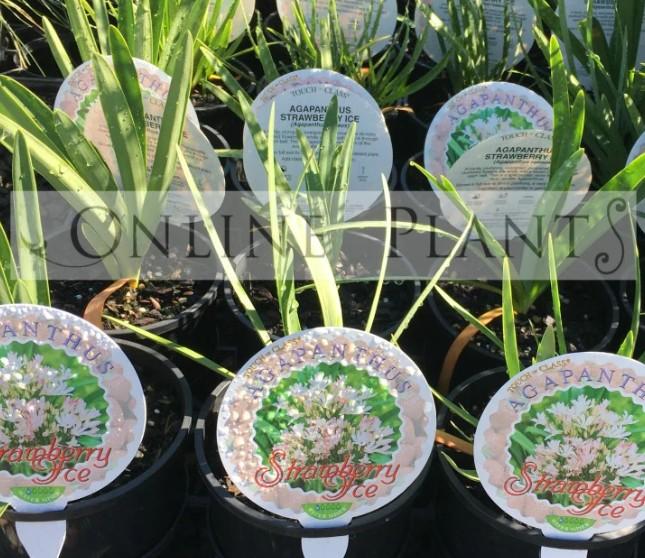
Agapanthus have long been adored by gardeners across Australia for their remarkable ability to thrive in diverse climates while providing striking floral displays year after year. Among the many varieties available, Agapanthus Strawberry Ice, also known as Pink Agapanthus, stands out as a truly special plant. Its soft pastel hues, elegant flower clusters and remarkable resilience make it a compelling choice for both seasoned gardeners and newcomers alike. In this blog, we’ll take a deep dive into what makes Agapanthus Strawberry Ice such a delightful addition to Australian gardens, explore key care tips, and discuss creative ways to showcase this plant throughout your outdoor space.
At first glance, Agapanthus Strawberry Ice immediately captures attention with its beautiful pastel tones. Unlike the more familiar deep blue or pure white agapanthus varieties, Strawberry Ice offers delicate flowers featuring a blend of soft white and gentle pink shades that seem to reflect the soft glow of early morning light. This subtle yet captivating colouring makes it an excellent choice for gardens designed with a romantic or relaxed aesthetic. Planted en masse, this soothing pink hue can transform garden beds into dreamy ribbons of colour that are particularly appealing in suburban front gardens, courtyard borders or along walkways.
What makes this variety especially suited to Australian gardens is its adaptability. Australia’s climates range from temperate coastal regions to warmer inland areas, and gardeners often need plants that can handle heat, occasional dry spells and a wide range of soil types. Strawberry Ice meets these requirements gracefully. It thrives in full sun, which encourages abundant flowering, but will also tolerate light afternoon shade in hotter inland regions. Its ability to cope with a variety of conditions makes it a reliable performer, whether you live in Brisbane’s warmer climate, Melbourne’s cooler seasonal changes, or Perth’s dry summers. Its strong, robust nature means that once established, it requires relatively low maintenance, a quality appreciated by busy homeowners or those new to gardening.
Planting Strawberry Ice is straightforward. When selecting a site, choose an area of the garden that receives at least six hours of sunlight a day, with soil that drains well. Australian soils can vary considerably, from sandy coastal ground to heavier clay soils inland. Amending the soil with good organic matter during planting helps improve soil structure and supports healthy root development. The plant’s strap-like green foliage creates a lush, architectural presence even before blooms appear, and mature clumps create a rounded, attractive form that fills beds and borders with grace and substance.
Regular watering in the early stages after planting helps Strawberry Ice establish itself, but once the roots have set, this variety demonstrates noteworthy drought tolerance. This quality is particularly valuable in drier regions or during the height of summer when rainfall is limited. Avoiding waterlogged conditions is crucial, as overly wet soil can stress the plant and encourage diseases. Many Australian gardeners find success by applying mulch around the base of the plants to retain moisture and regulate soil temperature, while also reducing the need for frequent watering during dry spells.
Flowering typically begins in late spring and continues through summer, offering months of soft, elegant blooms. Gardeners can enhance flowering performance by removing spent flowers regularly, a simple practice that both tidies the plant and encourages continued bloom production. The flower stems rise above the foliage, creating delightful swaying accents throughout garden beds, and their gentle movement in the breeze adds visual interest that is both calming and picturesque.
Beyond its ornamental value, Strawberry Ice is also a versatile plant in garden design. In cottage gardens, the delicate pink-tinged blooms complement roses, salvias and other soft-coloured perennials, creating a harmonious, whimsical palette. Placed at the front of garden borders or mixed among other agapanthus varieties, it offers contrast and depth without overwhelming adjacent plants. For those with smaller outdoor spaces, Strawberry Ice is equally effective in large terraces and planter boxes, where its compact form and long flowering season bring colour and life to patios or balcony gardens.
While generally hardy, this variety benefits from occasional fertilising. Applying a balanced, slow-release fertiliser in early spring helps support robust growth and prolific flower production. In regions where winter frost can occur, light protection or situating plants in sheltered positions helps avoid cold damage to new foliage. Many Australian gardeners choose to position their Strawberry Ice near walls or fences facing north or east, capturing morning sun while benefiting from shelter against stronger winds or colder nights.
The gentle charm of Pink Agapanthus Ice lies not only in its beautiful flowers but also in its capacity to adapt and thrive in Australian conditions. Whether you are creating a tranquil retreat at your backyard’s edge or seeking a plant that brings reliable colour throughout the warmer months, this pink agapanthus is a worthy choice. Its understated elegance adds character to any garden, complementing both modern and traditional landscape styles. With minimal fuss and consistent performance, Strawberry Ice has earned its place as a favourite among plant enthusiasts and weekend gardeners alike.
In a country where outdoor living and garden enjoyment are cherished, Agapanthus Strawberry Ice brings a touch of floral sophistication that reflects the Australian spirit — vibrant, resilient and beautifully effortless.