English
 Arabic
 French
 Spanish
 Portuguese
 Deutsch
 Turkish
 Dutch
Dutch
 Italiano
 Russian
 Romaian
 Portuguese (Brazil)
 Greek
Greek

Bold Style Moves: Make an Impact with a Sheepskin Jacket
Art |
2025-12-02 03:00:41
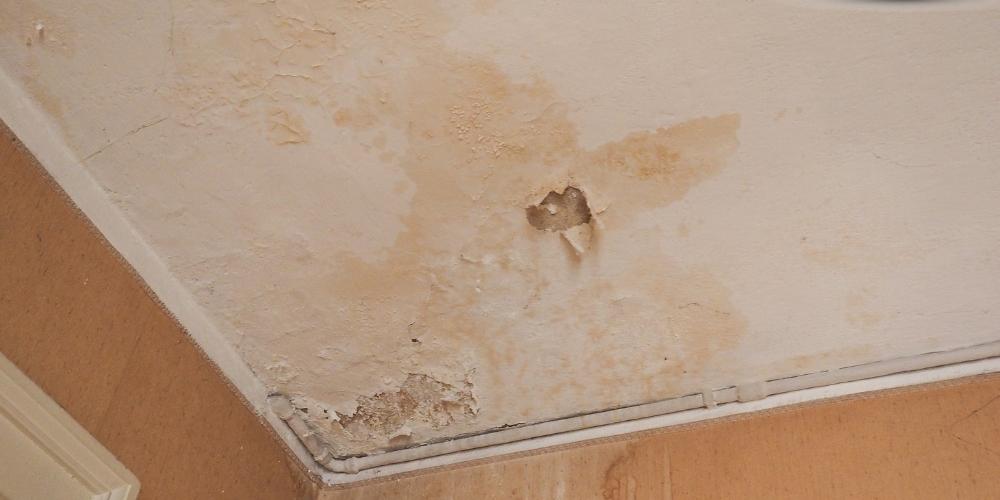
Moisture inside the home is more common than many people think. It can start with small signs—foggy windows, a musty smell in a wardrobe, damp patches on walls, or even peeling paint in the bathroom. While these issues may seem minor at first, excess moisture can lead to bigger problems like mould growth, damaged furniture, weakened walls, and long-term indoor air quality concerns.
The good news is that you don’t always need major renovations to control humidity. With the right habits, ventilation improvements, and a few practical tools, you can reduce moisture and keep your home healthier and more comfortable year-round.
In this blog, we’ll cover the best ways to reduce moisture in your home, why it happens, and what to do if dampness has already caused damage.
Before fixing moisture problems, it helps to understand where it comes from. Moisture can enter your home through everyday living, poor airflow, or hidden leaks.
Cooking and boiling water without ventilation
Long hot showers with limited airflow
Drying clothes indoors
Leaky pipes or dripping taps
Poor roof drainage or blocked gutters
Rising damp from the ground
Condensation on cold walls and windows
Poor insulation and ventilation
Some homes naturally trap more moisture due to building design, seasonal humidity, or lack of airflow in certain rooms. Bathrooms, kitchens, laundry rooms, and basements are usually the worst areas.
Ventilation is one of the fastest and most effective ways to reduce moisture. When moist air stays trapped inside, it settles on surfaces and creates condensation.
Open windows daily for fresh air circulation
Use exhaust fans in bathrooms and kitchens
Keep internal doors open when possible
Ventilate rooms after showering or cooking
After a shower, leave the exhaust fan running for 15–20 minutes. If you don’t have a fan, open a window and keep the door slightly open to let steam escape.
Always use the range hood when cooking, especially when boiling water or frying. Cooking releases a lot of moisture into the air—even more than people expect.
A dehumidifier is one of the best tools for moisture control, especially in rooms that stay damp even after ventilation.
Bedrooms with condensation on windows
Laundry rooms where clothes dry indoors
Basements or lower-level rooms
Storage rooms and wardrobes
Homes in humid climates
A dehumidifier pulls moisture from the air and collects it in a tank. This reduces the humidity level and helps prevent:
Damp smells
Mould growth
Moisture damage to furniture and walls
If you’re unsure, aim to keep indoor humidity at a comfortable level where condensation doesn’t form on windows regularly.
One of the biggest causes of ongoing moisture is a hidden or slow leak. Even a small drip can create dampness in walls, cupboards, or flooring over time.
Under kitchen and bathroom sinks
Behind toilets
Around washing machines and dishwashers
Hot water system connections
Outdoor taps and garden hoses
Ceiling stains (roof or plumbing leaks)
Water stains or yellow patches
Peeling paint or bubbling walls
Musty smells that won’t go away
Warped flooring or soft spots
Sudden increase in water bills
Fixing leaks early prevents moisture from spreading into structural materials. If water has already soaked into walls or floors, water damage restoration may be required to properly dry the area and prevent long-term issues.
Condensation is a major moisture problem, especially in colder months. It happens when warm indoor air hits cold glass or walls, turning moisture in the air into water droplets.
Open curtains and blinds during the day to warm up windows
Wipe down windows in the morning if condensation forms
Use a dehumidifier in bedrooms overnight
Avoid drying clothes indoors without ventilation
Improve insulation around windows and walls
If condensation is constant, it may be a sign of poor airflow or high indoor humidity levels. It’s worth addressing early before mould starts growing around window frames and corners.
Drying clothes indoors can quickly raise humidity levels. When wet laundry dries, the moisture goes straight into the air and settles around the room.
Dry clothes outside when possible
Use a vented tumble dryer
If drying indoors, keep the room ventilated
Use a dehumidifier near the drying rack
Laundry moisture often leads to:
Damp-smelling rooms
Condensation on windows
Mould growth behind furniture
Damp wardrobes and musty clothing
If indoor drying is unavoidable, dehumidifiers and airflow are essential.
Stagnant air makes moisture problems worse. When air doesn’t circulate, dampness settles into corners, behind furniture, and inside cupboards.
Use a fan in damp rooms
Leave a small gap between furniture and walls
Avoid blocking vents or air grilles
Open wardrobe doors occasionally to air them out
Store items in breathable containers rather than sealed plastic
If you notice musty smells in closets, try using moisture absorbers or silica gel packs and keep airflow going. Damp wardrobes can quickly lead to mouldy clothing and unpleasant odours.
Bathrooms are the highest moisture zones in most homes. If the moisture isn’t controlled, mould can develop on ceilings, grout lines, and corners.
Squeegee shower glass after use
Dry wet mats and towels regularly
Clean grout and silicone seals
Keep the bathroom door open after use (if privacy allows)
Fix dripping shower heads and taps
Around the shower base
Along silicone edges
Behind the toilet
Under the sink
Ceiling corners
If mould keeps returning even after cleaning, it may be a deeper moisture issue. In these cases, mold remediation cleanup may be needed to remove mould properly and prevent it from spreading into hidden areas.
Sometimes moisture problems start from outside. Poor drainage can push water toward the foundation, leading to damp walls, rising damp, or water entering lower rooms.
Gutters and downpipes (clear leaves and blockages)
Water pooling near the foundation
Cracks in external walls
Broken roof tiles or flashing
Garden beds sitting too high against walls
Extend downpipes away from the house
Ensure soil slopes away from the foundation
Fix broken guttering
Seal visible cracks
Outdoor water control is a long-term moisture solution that protects the structure of your home.
For smaller areas like cupboards, storage rooms, or wardrobes, moisture absorbers can help reduce dampness.
Closets and wardrobes
Shoe cabinets
Under-sink cabinets
Small bathrooms
Storage cupboards
They’re not a replacement for ventilation or leak repairs, but they’re a helpful extra layer of protection—especially in humid seasons.
Sometimes moisture issues are not just everyday humidity. If dampness is constant and spreading, it could be a sign of a serious underlying problem.
Damp patches growing over time
Mould appearing in multiple rooms
Strong musty smells that return after cleaning
Warped floors or bubbling paint
Ceiling stains or sagging areas
Persistent condensation every morning
These signs often mean moisture is trapped behind walls or under floors. A professional inspection can help identify the source and stop the problem before it becomes more expensive.
Reducing moisture in your home isn’t just about comfort—it’s about protecting your property, your indoor air quality, and your long-term health. With the right ventilation, quick leak repairs, proper laundry habits, and smart tools like dehumidifiers, you can prevent dampness from turning into bigger issues.
Start with small improvements, focus on the rooms that collect moisture the most, and keep an eye on early warning signs. If moisture has already caused visible damage or recurring mould, getting professional help early can save time, money, and stress later.
A dry home is a healthier home—and it’s always worth maintaining.