English
 Arabic
 French
 Spanish
 Portuguese
 Deutsch
 Turkish
 Dutch
Dutch
 Italiano
 Russian
 Romaian
 Portuguese (Brazil)
 Greek
Greek

Cloud-Based Tally for Fast & Easy Accounting
Other |
2025-12-19 10:06:24
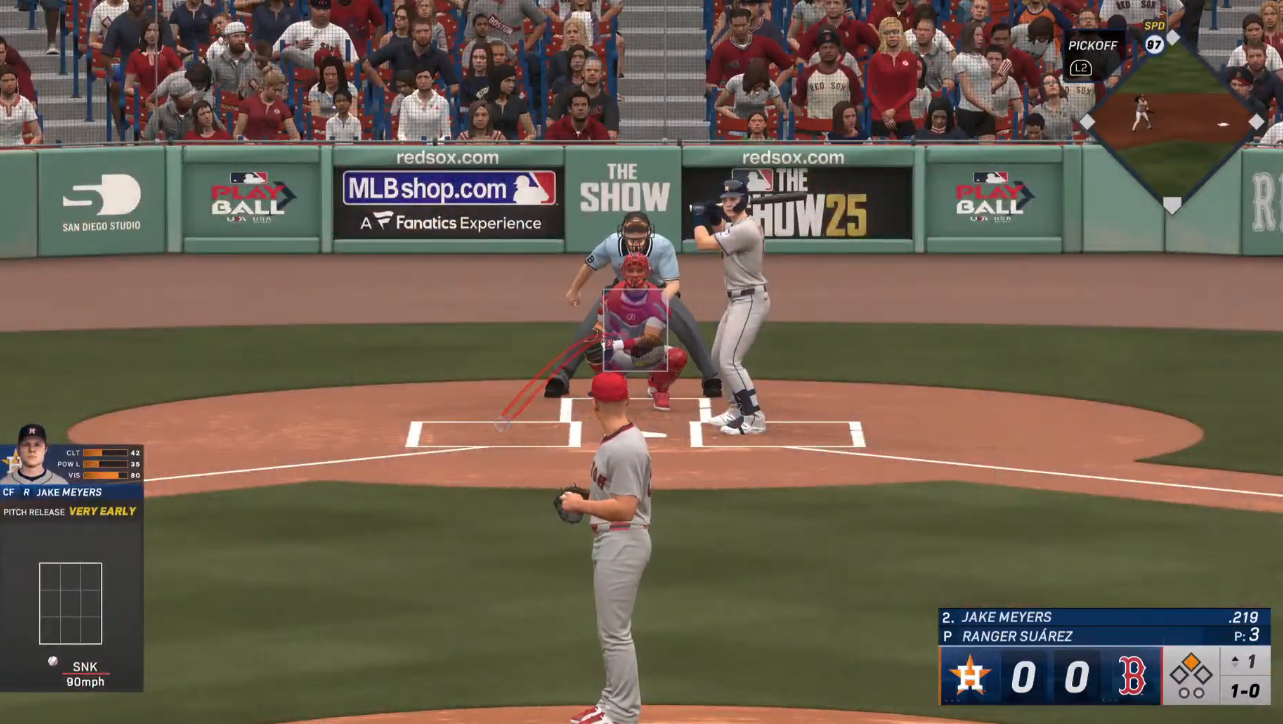
In MLB The Show 26, adjusting your approach to how the opponent is pitching can be a game-changer. Whether you're struggling to make contact or your opponent is throwing a variety of pitches that seem hard to read, understanding how to adjust your timing and pitch selection can make a significant difference. In this article, we'll break down how to adjust to pitch patterns in the middle of a game, helping you become a more effective hitter.
Pitch patterns are not static. As the game progresses, pitchers tend to settle into rhythms, but they also adjust based on how you’re responding to their offerings. Early in the game, pitchers may test your reaction to certain pitches—starting with a few fastballs or off-speed pitches. As the game goes on, they’ll likely begin mixing their pitches more, trying to catch you off-guard. Recognizing these patterns and adjusting accordingly is crucial.
If you’re facing a pitcher who’s been throwing a lot of fastballs early on, they might mix in a slider or curveball to keep you from timing the heat too well. The key is to pay attention to not just the pitch type, but the location and sequence. If you can catch on to the tendencies of the pitcher, you can better anticipate the next pitch.
To adjust to a pitcher’s pattern, you first need to identify it. This can be tricky, especially in the heat of the moment, but here are a few ways to recognize what they’re doing:
Pitch Frequency: Notice if a pitcher keeps throwing the same type of pitch in certain counts. For example, if they throw a lot of fastballs when they’re ahead in the count (1-2, 0-2), they might try to overpower you. If they’re behind (2-0, 3-1), they might throw more off-speed pitches to avoid getting hit hard.
Pitch Location: Are they consistently throwing inside or outside? Are they staying low in the zone, or do they go up for strikeouts? This is important because if a pitcher keeps attacking the same zone, you can adjust your stance to make contact in those areas more consistently.
Pitch Sequences: Pay attention to how they sequence their pitches. If they throw a fastball high and then follow it up with a slider low, you can start to expect that pattern. But if you notice they change the order or throw an unexpected pitch, they might be adjusting their approach based on your tendencies.
Pitch Type After a Foul Ball: A lot of players focus on hitting a good pitch but forget to adjust after foul balls. If a batter fouls off a fastball, the pitcher will sometimes try to throw the same pitch again, just in a slightly different location or with more velocity.
All these little cues will help you see what the pitcher is trying to do. Recognizing these trends is the first step in adjusting your approach.
Once you have a sense of the pitcher's pattern, the next step is adjusting your swing and pitch selection. Here are a few key ways to adjust during the game:
Timing is everything in MLB The Show 26. If you know a fastball is coming, you'll want to be earlier in your swing. On the other hand, if you anticipate an off-speed pitch like a slider or curveball, you'll need to be more patient.
Fastballs: When you see a fastball, you’ll want to start your swing as soon as possible. The quicker you react to a fastball, the better chance you’ll have to square it up and drive it.
Off-speed Pitches: For curveballs, sliders, and changeups, you need to wait longer. These pitches tend to drop or break away from you, so swinging too early will cause you to miss or make weak contact. Try holding off a bit longer, allowing the pitch to travel deeper into the zone before committing to your swing.
The key here is getting a feel for the timing of different pitches. Adjust your swing timing to match what the pitcher is throwing, and avoid getting locked into a rhythm where you only react to one pitch type.
Once you know what pitch is coming, you can adjust your zone coverage to match the pitch's location. Let’s say you’ve identified that the pitcher loves to throw a slider low and outside on a 2-1 count. In that case, you should focus on that area of the strike zone and prepare to make contact with the pitch if it comes.
It’s important to adjust your pitch selection based on what’s been working. If you know the pitcher has been trying to jam you inside with fastballs, consider laying off that pitch or adjusting your stance so that you can pull the ball with better timing.
In the long run, recognizing a pitcher's tendency to pitch certain zones more frequently can help you predict the type of pitch and adjust your plate approach accordingly.
Sometimes, a pitcher will catch on to your pattern recognition and start changing things up. If you notice they’re throwing more breaking balls after you’ve laid off a few fastballs, you’ll need to switch up your approach. If they adjust, you should too.
A good pitcher will mix it up, so always be on the lookout for a change in their approach. If they’ve been using a fastball-heavy approach early on, and suddenly, they throw two straight changeups, it's likely they're trying to catch you off-guard. Adjust by staying patient and waiting for your pitch, and don't get caught in a guessing game.
In high-pressure situations like 2 outs with runners in scoring position, pitchers are more likely to throw their best stuff. This could mean a fastball in a hitter's count or a devastating slider in a 2-2 situation. Here, being calm and collected while sticking to your approach is critical. Don't chase after pitches you don't need to swing at, especially if you're behind in the count.
Also, take advantage of the MLB 26 stubs store to improve your team and get better equipment. Upgrading your player attributes can give you an edge, especially in moments where you need that extra boost.
One of the most important things to remember is that making adjustments is a process. It’s not always about getting the hit immediately but about continually adapting throughout the game. Keep track of the pitcher’s patterns and try to stay ahead of them, but if you're behind, use the information you've gathered to make a change.
Staying relaxed is key—don’t get frustrated if you miss a few pitches or if the pitcher mixes it up in unexpected ways. It’s a cat-and-mouse game, and the best hitters stay calm while adjusting to what’s being thrown at them.
Adjusting to pitch patterns in MLB The Show 26 is a skill that improves over time with practice. Pay attention to the pitcher's tendencies, make adjustments to your timing and pitch selection, and always stay aware of how they might be adjusting to you. This will help you stay on top of the game, no matter how the pitcher tries to change things up. With time, you’ll be able to anticipate pitches and execute better at the plate, making you a much tougher opponent.