English
 Arabic
 French
 Spanish
 Portuguese
 Deutsch
 Turkish
 Dutch
Dutch
 Italiano
 Russian
 Romaian
 Portuguese (Brazil)
 Greek
Greek

Blade & Soul Heroes – Global Launch & Features
Games |
2025-09-25 04:34:55
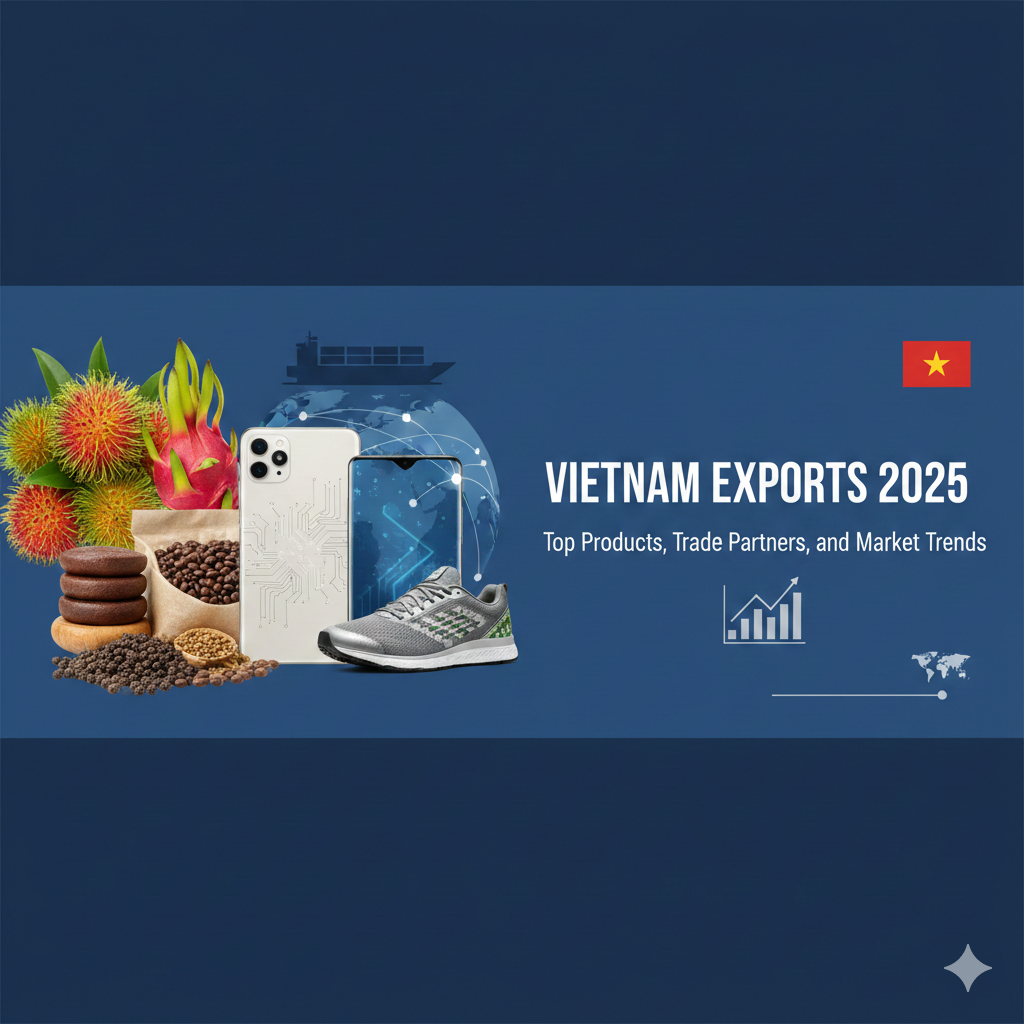
Over the past decade, Vietnam has transformed itself into one of Asia’s most dynamic export-driven economies. Backed by strong manufacturing growth, favorable trade agreements, and a strategic geographic location, the country has steadily climbed global trade rankings. Today, Vietnam exports a wide range of products—from high-tech electronics to agricultural commodities—making it a vital node in global supply chains.
According to Vietnam export customs data, the total value of Vietnam exports reached USD 403.2 billion in 2024, registering a 6.4% year-on-year increase. Based on global trade statistics, Vietnam now ranks as the 21st largest exporter worldwide, underscoring its growing influence in international commerce.
Momentum continued into 2025. As per Vietnam shipment data, exports totaled USD 102.8 billion in the first quarter of 2025, marking a 10.6% increase compared to the same period last year. Total trade turnover during Q1 2025 reached USD 202.5 billion, while Vietnam recorded a trade surplus of USD 4.67 billion in the first five months of the year.
This article explores what Vietnam exports the most, highlights the Vietnam largest export categories, examines Vietnam exports by country, and profiles the top Vietnam trade partners and exporters shaping trade flows in 2025.
Vietnam’s export success is rooted in three key factors: competitive labor costs, proactive trade policy, and large-scale foreign direct investment (FDI). Multinational corporations such as Samsung, Intel, LG, and Foxconn have established major manufacturing operations in Vietnam, transforming the country into a high-value production base for electronics, machinery, and consumer goods.
Manufacturing and processing now account for nearly 89% of Vietnam exports, with FDI-driven enterprises contributing over 70% of total export value. This structure has positioned Vietnam as a preferred alternative manufacturing destination amid global supply chain diversification.
Vietnam exports a diversified mix of industrial, consumer, and agricultural products. Based on Vietnam export customs data by HS code, the top export categories in 2024–25 include:
Electrical machinery remains the Vietnam largest export, accounting for nearly 30% of total exports. This category includes smartphones, electronic components, semiconductors, and consumer electronics. Major exporters such as Samsung and Intel dominate this segment, supplying markets across the US, EU, and Asia.
Vietnam is a global footwear powerhouse, supplying leading international brands. Footwear exports represent 6.1% of total Vietnam exports, driven by strong demand from the United States and Europe.
This sector includes engines, pumps, industrial equipment, and agricultural machinery. As Vietnam moves up the value chain, machinery exports continue to expand, reflecting rising technical capabilities.
Knit garments such as T-shirts, sweaters, and sportswear remain core export products, benefiting from Vietnam’s established textile ecosystem.
Non-knit apparel, including jackets, suits, and trousers, complements Vietnam’s strong presence in global fashion supply chains.
Vietnam has emerged as a leading furniture exporter, with global brands sourcing heavily from Vietnamese manufacturers. This sector benefits from skilled labor and access to raw materials.
Shrimp, fish fillets, and squid form the backbone of Vietnam’s seafood exports, serving markets in the US, Japan, and the EU.
Exports include plywood, wooden furniture, and processed wood products, although sustainability regulations are increasingly shaping this sector.
Vietnam is the world’s second-largest coffee exporter, supplying robusta beans and processed coffee to global markets.
Rubber products such as tires and industrial components round out the top ten export categories.
Together, these products illustrate the diversity and resilience of Vietnam exports, spanning both high-tech manufacturing and traditional agricultural strengths.
Vietnam’s export performance is closely tied to its strong network of international trade relationships. Based on Vietnam exports by country, the top export destinations in 2024–25 include:
The US is Vietnam’s largest export market, importing electronics, apparel, footwear, furniture, and seafood. The bilateral relationship plays a decisive role in shaping overall export growth.
China is both a major export destination and a critical supplier of intermediate goods, highlighting the interconnected nature of Vietnam imports and exports.
Driven by electronics and textiles, South Korea remains a strategic partner supported by strong investment ties.
Exports to Japan focus on technology components, automotive parts, and seafood.
The EU collectively represents a major market for Vietnamese textiles, furniture, machinery, and seafood, supported by the EVFTA trade agreement.
Other important Vietnam trade partners include Hong Kong, Thailand, and India, all contributing to Vietnam’s growing export footprint.
Vietnam’s export success is anchored by a mix of multinational corporations and strong domestic enterprises. Leading exporters in 2025 include:
Samsung Group (Vietnam) – USD 65 billion
Intel Products Vietnam – USD 12.9 billion
LG Group – USD 8.2 billion
Foxconn Vietnam – USD 4.5 billion
VINATEX, Intimex Group, and Vinamilk – Key domestic players in textiles, coffee, and dairy
These companies collectively reinforce Vietnam’s position as a reliable global supplier across multiple industries.
Recent trade data shows accelerated shipment activity in early 2025, partly driven by concerns over potential tariff changes. Proposed US tariffs on steel, aluminum, and selected Vietnamese goods have led to export front-loading, particularly in electronics and furniture.
At the same time, Vietnam benefits from multiple free trade agreements—including CPTPP, EVFTA, and RCEP—which provide preferential market access and strengthen competitiveness.
However, exporters face challenges such as stricter rules of origin, environmental compliance requirements, and rising scrutiny over supply-chain transparency.
Looking ahead, Vietnam exports are projected to grow 10–15% in 2025, potentially surpassing USD 450 billion, barring major tariff disruptions. Key growth drivers include:
Continued expansion in electronics and machinery
Diversification into EU, ASEAN, and emerging markets
Increased value-added manufacturing
Greater emphasis on compliance and traceability
As global trade realigns, Vietnam remains well-positioned to benefit from shifting supply chains while managing policy and regulatory risks.
Vietnam has firmly established itself as a global export powerhouse, combining scale, diversity, and competitiveness. From electronics and apparel to agriculture and furniture, Vietnam exports continue to meet rising global demand. Supported by strong Vietnam trade partners, favorable FTAs, and robust manufacturing capabilities, the country’s export engine shows sustained momentum in 2025.
For importers, exporters, and investors, leveraging insights from Vietnam export customs data and Vietnam shipment data is essential to navigate opportunities and risks in this fast-evolving market.