English
 Arabic
 French
 Spanish
 Portuguese
 Deutsch
 Turkish
 Dutch
Dutch
 Italiano
 Russian
 Romaian
 Portuguese (Brazil)
 Greek
Greek

Governor of Poker 3: A Fast-Leveling Guide for Career Mode
Games |
2025-12-05 04:11:55
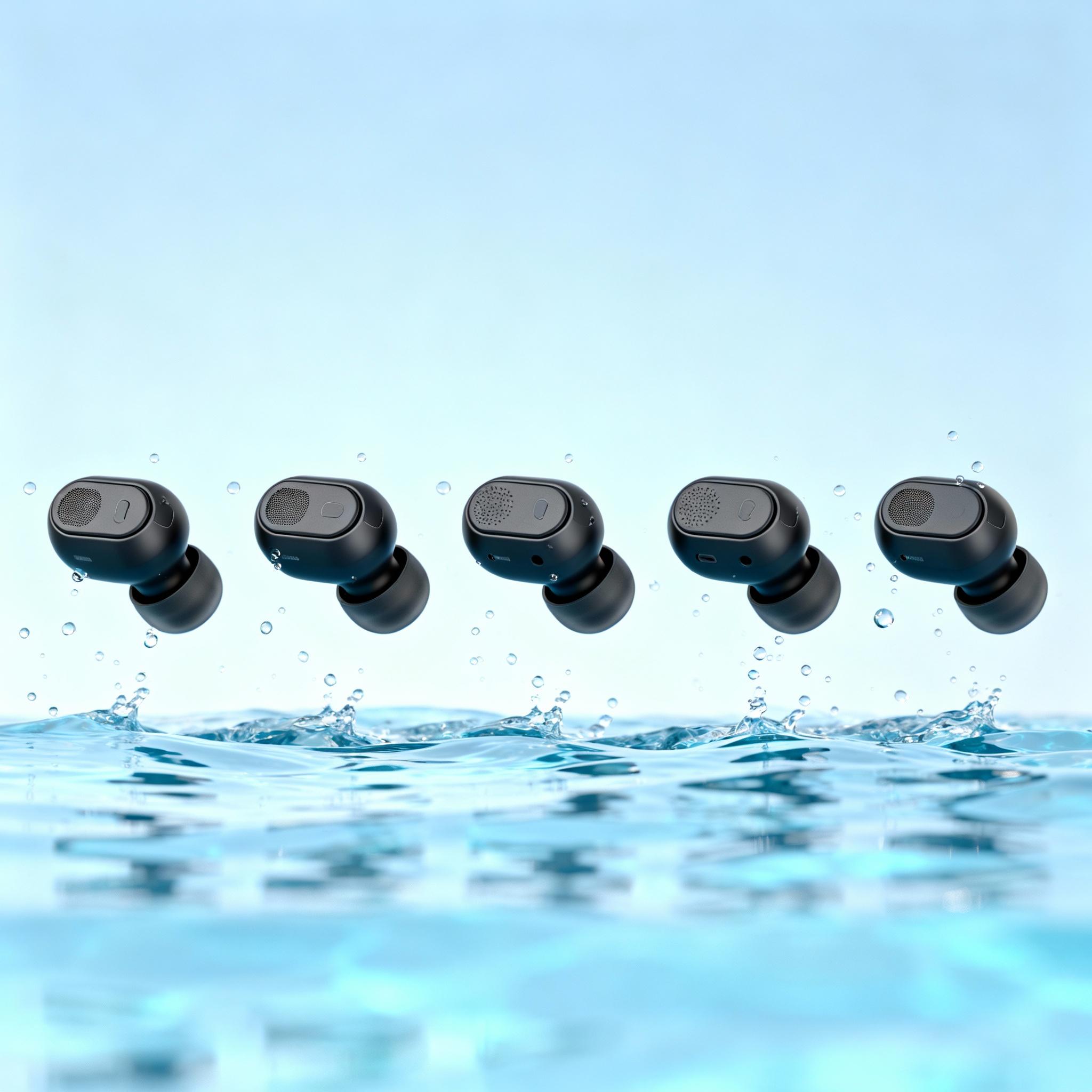
Swimming is one of the best full-body workouts, but it can sometimes feel repetitive without entertainment. That’s where IPX7 waterproof earbuds for swimming come into the picture. These earbuds promise water resistance, durability, and convenience for people who love listening to music even during intense water activities. But are they really suitable for swimming? Let’s explore everything you need to know in this detailed guide.
Before diving into the benefits, it’s important to understand what the IPX7 rating stands for. IPX7 means that earbuds can survive being submerged in water up to 1 meter deep for around 30 minutes under controlled conditions.
This level of protection makes them highly resistant to accidental splashes, sweat, rain, and short water exposure. However, many people assume that IPX7 automatically makes earbuds perfect for swimming. That’s not entirely true.
Experts point out that IPX7 is mainly designed for temporary immersion, not continuous underwater use during active swimming sessions.
So while they are “waterproof” to a degree, their performance underwater depends on how you use them.
The demand for waterproof earbuds has increased rapidly, especially among fitness lovers. Here are some reasons why swimmers prefer them:
Listening to music while swimming can make sessions more enjoyable and help maintain rhythm and endurance.
Swimming isn’t the only use case. These earbuds are also great for gym workouts, running in the rain, or intense training sessions.
Waterproof sealing protects internal components from moisture damage, increasing the lifespan of the earbuds when used carefully.
Although the name suggests full waterproofing, there are a few limitations swimmers must understand.
Water absorbs radio signals, meaning Bluetooth connectivity becomes unstable or stops completely once submerged.
That’s why many swimmers experience interruptions while trying to stream music during laps.
Most IPX7 earbuds are tested in controlled environments with still water, not moving water or pressure from swimming strokes.
Repeated exposure to chlorine or saltwater can also degrade seals and cause damage over time.
Despite their limitations, IPX7 waterproof earbuds for swimming offer several benefits:
They can handle accidental drops in water, showers, and short immersions without damage.
If your head stays above water or you only submerge occasionally, they can still be useful.
These earbuds work perfectly for workouts, travel, outdoor activities, and daily use beyond swimming.
Most IPX7-rated earbuds are designed with sealed ports and corrosion-resistant materials to protect internal components.
While these earbuds are impressive, they are not perfect for every swimmer.
IPX7 earbuds are not built for long underwater sessions or deep swimming.
Pool chemicals and seawater can reduce waterproof effectiveness over time.
Many earbuds have touch controls that become unusable when exposed to water pressure or droplets.
Movement in water creates pressure that can push moisture into tiny gaps not tested in lab conditions.
If swimming is your main goal, understanding waterproof ratings helps a lot.
For serious swimmers, higher-rated earbuds are generally safer than IPX7 models.
To maximize durability and performance, follow these tips:
Keep usage limited to shallow water.
Never charge earbuds while they are wet to avoid electrical damage.
Chlorine can corrode internal parts, so rinsing with fresh water helps extend lifespan.
They are best suited for workouts, jogging, or light water exposure rather than full swimming sessions.
The answer depends on how you plan to use them.
If you want earbuds that can survive splashes, rain, and occasional submersion, IPX7 waterproof earbuds for swimming are a solid option.
But if you want uninterrupted music while fully underwater, they may not meet your expectations. Bluetooth limitations and water pressure make them unreliable for serious swimmers.
In many cases, earbuds designed specifically for underwater listening with built-in storage or higher waterproof ratings provide better results.
IPX7 waterproof earbuds for swimming are a great innovation for active lifestyles, but understanding their real capabilities is essential before buying. They are perfect for fitness lovers who want protection against sweat and water, but they are not a complete underwater music solution.
If your swimming routine involves only light water exposure, they can work well and last long. However, for deep or continuous swimming, choosing earbuds specifically designed for underwater use is a smarter decision.
By knowing their strengths and limitations, you can make the right choice and enjoy your favorite music without damaging your earbuds.