English
 Arabic
 French
 Spanish
 Portuguese
 Deutsch
 Turkish
 Dutch
Dutch
 Italiano
 Russian
 Romaian
 Portuguese (Brazil)
 Greek
Greek

HVAC Systems Market Sees Surge in Multi-zone Cooling Systems
Other |
2026-02-19 06:10:21
Electrical safety is a priority for landlords, business owners, and property managers in the UK. With the increasing use of electrical appliances in offices, rental properties, workshops, healthcare facilities, and hospitality venues, ensuring equipment safety has become more crucial than ever. PAT Testing in East Ham has emerged as an essential safety practice to help prevent electrical hazards, reduce insurance risks, and maintain regulatory compliance.
This blog explores the purpose of PAT Testing, who needs it, legal responsibilities, benefits, testing frequency, and how to choose a reliable PAT Testing service in East Ham.
PAT Testing stands for Portable Appliance Testing, a process used to verify whether electrical appliances are safe for continued use. It involves:
Checking for:
Frayed cables
Burn marks
Loose plugs
Damaged insulation
Overheating signs
Missing components
Using certified PAT test equipment to measure:
Earth continuity
Insulation resistance
Lead polarity
Functionality and safety status
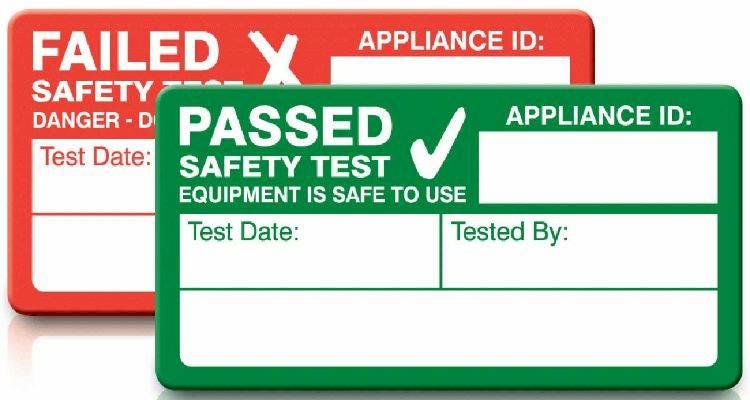
If an appliance passes, it receives a label with:
Pass status
Test date
Retest due date
Equipment that fails is documented and removed from service for repair or replacement.
East Ham is home to a diverse range of property types and commercial activity. From rental flats to retail high streets, small businesses, clinics, cafes, and educational centers, electrical appliances are used daily. Faulty electrical equipment can lead to:
Electric shocks
Electrical fires
Business interruptions
Injury claims
Equipment breakdowns
Insurance disputes
PAT Testing helps mitigate these dangers and proactively improve safety.
While PAT Testing itself is not a direct legal requirement, several UK regulations require that electrical equipment be safe to use. Relevant acts include:
Health and Safety at Work Act 1974
Electricity at Work Regulations 1989
Provision and Use of Work Equipment Regulations 1998
Landlord and Tenant Act 1985
For employers and landlords in East Ham, PAT Testing is the most recognised way to demonstrate compliance and due diligence.
PAT Testing is recommended or required across multiple sectors including:
Rental properties with supplied appliances must ensure tenant safety. Appliances tested commonly include:
Kettles
Fridges
Microwaves
Washing machines
Heaters
Extension leads
Many East Ham letting agencies now request PAT certificates as part of tenancy compliance.
Appliances such as computers, monitors, printers, chargers, and coffee machines require testing to maintain a safe working environment.
Shops, cafes, and restaurants rely on electrical equipment for daily operations. PAT Testing prevents breakdowns and fire incidents.
These facilities use computers, projectors, kitchen appliances and more.
Power tools and portable equipment undergo heavy-duty usage and require more frequent testing.
Medical and diagnostic tools must operate safely for both staff and patients.
Testing frequency is typically based on environment and risk level:
Construction Sites: Every 3 months
Workshops & Industrial: Every 6 months
Offices & Retail: Every 12 months
Landlord Properties: Annually or at tenant changeover
Low-risk Home Use: Visual checks yearly, testing every 2–4 years
A certified engineer can provide recommendations based on risk assessment.
Testing reduces the risk of fire and electrocution.
Shows compliance with safety legislation.
Many insurers request PAT Testing certificates when processing claims related to electrical faults.
Identifying early faults helps prevent costly breakdowns.
For commercial businesses, safety compliance enhances trust and operational performance.
A typical PAT Testing service includes:
Asset identification and labeling
Visual inspection
Electrical testing using PAT testers
Pass/fail marking on appliances
Defect reporting
Full certification and documentation
Customers receive:
Digital Certificate
Asset Register
Testing Report
Retest Recommendations
These documents are useful for audits, tenancy, insurance, and regulatory checks.
Pricing varies by volume, location, and complexity:
Small Landlord Properties: £50–£95
Offices: £1.00–£2.50 per item
Retail/Workshops: Custom quotes based on volume
Construction Sites: Frequent testing plans may be required
Discounts are often available for large item counts or multiple properties.
When choosing a provider, consider:
Technicians should hold recognized PAT or electrical certifications.
Protects clients during testing work.
Avoid providers with unclear or hidden fees.
Certificates should be standardized for compliance.
Landlord and commercial testing requires different expertise.
Q1: Is PAT Testing mandatory in East Ham?
While not explicitly mandatory, UK law requires all electrical equipment to be safe. PAT Testing is the most accepted method of proving safety compliance.
Q2: Do landlords in East Ham need PAT Testing?
Yes. Many letting agents and insurers request PAT certificates before new tenancy agreements and periodic renewals.
Q3: How long does PAT Testing take?
The duration depends on the number of appliances. A small rental flat may take 30–60 minutes, while larger premises may require a full day.
Q4: Will PAT Testing interrupt business operations?
Most testing is non-disruptive and can be scheduled during off-hours to reduce downtime.
Q5: Can appliances fail a PAT Test?
Yes. Failed items will be labeled “Do Not Use” and included in the test report with corrective recommendations.
Q6: Can I perform PAT Testing myself?
Only if trained and equipped with certified PAT equipment. For compliance and insurance purposes, most businesses prefer certified professionals.