 English
 Arabic
 French
 Spanish
 Portuguese
 Deutsch
 Turkish
 Dutch
Dutch
 Italiano
 Russian
 Romaian
 Portuguese (Brazil)
 Greek
Greek

Jaio Club The Rising Name in Interactive Online Platforms
Games |
2026-04-12 16:26:12
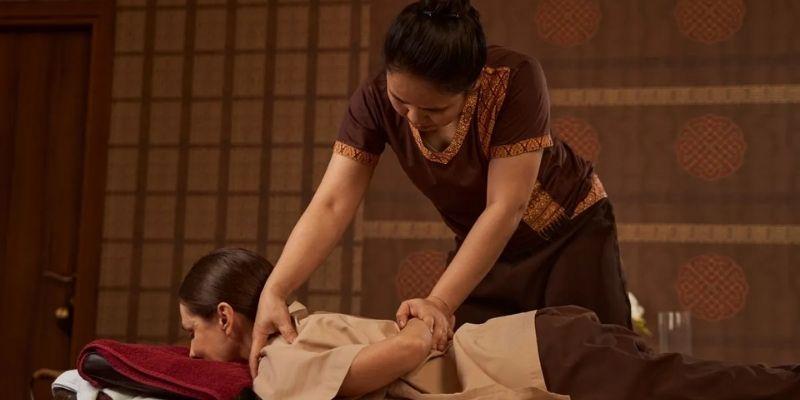
A tight, rigid, or unresponsive body is not always the result of intense physical activity or injury. Many people experience this sensation even when they are resting, stretching regularly, or living what seems like a balanced lifestyle. The body may feel heavy, resistant to movement, or slow to respond, creating a sense of physical dullness rather than sharp pain.
This experience is often misunderstood as simple muscle stiffness. In reality, it reflects deeper patterns involving muscular guarding, nervous system overload, and reduced circulation. When these systems stop communicating efficiently, the body loses its natural elasticity and ease of movement. Understanding why this happens is the first step toward restoring responsiveness and comfort.
Muscles are designed to contract and release smoothly. When the body feels tight, it is often because muscles are staying partially contracted even when they should be relaxed. This state is known as muscular guarding.
Muscular guarding develops as a protective response. Prolonged sitting, repetitive movements, emotional stress, or unresolved injuries can signal the body to stay alert. Over time, muscles learn this pattern and begin to hold tension automatically. The issue is not strength or flexibility alone, but the inability of muscle fibers to fully let go.
When muscles remain guarded, they restrict joint movement and reduce sensory feedback. The body feels stiff not because it cannot move, but because movement feels effortful and inefficient. This is why stretching alone often provides only temporary relief. Without addressing the underlying guarding response, the tightness quickly returns.
At a deeper level, muscle responsiveness depends on the nervous system’s ability to send clear signals. When those signals become overloaded or disrupted, muscles stop responding fluidly.
The nervous system acts as the command center for movement, relaxation, and recovery. When it is overstimulated, the body remains in a low level fight or flight state. This does not always feel like anxiety. Instead, it shows up as physical rigidity, shallow breathing, and reduced adaptability to movement.
Daily stress, constant screen exposure, irregular sleep, and mental fatigue all contribute to nervous system overload. In this state, muscles receive signals to stay ready rather than relaxed. The body prioritizes protection over ease.
This is why many people feel tight even without physical exertion. The nervous system is not allowing muscles to soften. Visiting a Massage Centre in Chennai is often sought at this stage, not only for muscle relief, but for the calming effect that helps reset nervous system responses and restore communication between the brain and body.
When the nervous system settles, muscles naturally regain their ability to respond, lengthen, and release without force.
Circulation plays a quiet but critical role in how responsive the body feels. Healthy movement depends on consistent blood flow delivering oxygen and nutrients to muscles and connective tissue. When circulation is reduced, tissues become less elastic and more resistant to movement.
Long periods of inactivity, poor posture, dehydration, and stress-related tension can all limit circulation. Unlike acute pain, reduced blood flow often creates a sense of heaviness, coldness, or sluggishness in the body. Movements feel slow, and muscles fatigue quickly.
Poor circulation also affects waste removal at the cellular level. When metabolic byproducts are not cleared efficiently, muscles feel dense and unresponsive. This contributes to the sensation of tightness that does not resolve with rest alone.
Restoring circulation is not just about movement, but about encouraging rhythmic, full-body engagement that allows tissues to soften gradually.
Another overlooked factor behind body tightness is reduced movement awareness. When the body is used in limited patterns day after day, it begins to lose its sense of range and coordination.
This happens commonly with desk work, driving, and device use. The brain stops receiving varied sensory input from muscles and joints. Over time, movement becomes mechanical rather than responsive. The body feels disconnected, as though it is not fully participating in motion.
This loss of awareness creates hesitation in movement. Muscles may technically be capable of lengthening, but the nervous system no longer trusts the range. Tightness becomes a form of uncertainty rather than true restriction.
People often seek support from a Massage Centre in Velachery during this phase, not because of injury, but because the body feels unfamiliar and resistant. Reintroducing mindful, guided movement helps rebuild trust between the brain and the body.
Thai Massage offers a unique approach to addressing body tightness because it works with movement, breath, and pressure simultaneously. Rather than forcing muscles to stretch, it guides the body through supported ranges that encourage release without resistance.
The rhythmic nature of Thai Massage helps calm nervous system activity, reducing the protective signals that cause muscular guarding. Gentle compression and assisted movements stimulate circulation, warming tissues and restoring elasticity.
This approach also improves movement awareness. As the body is guided through different positions, the nervous system relearns safe and fluid movement patterns. Over time, muscles regain their natural responsiveness, and the body feels lighter and more adaptable.
When experienced in a therapeutic setting like Le Bliss Spa, Thai Massage becomes a tool for recalibrating the body rather than simply relaxing it. The focus remains on restoring physical ease, not pushing flexibility or intensity.
Sustained responsiveness comes from consistency and awareness. Gentle daily movement, conscious breathing, adequate hydration, and regular rest all support the nervous system’s ability to regulate muscle tone.
Listening to early signs of tightness rather than pushing through discomfort prevents guarding patterns from becoming ingrained. When the body feels unresponsive, it is often asking for slower, more attentive care rather than force.
By understanding the interconnected roles of muscles, nerves, and circulation, tightness becomes less of a mystery and more of a signal. With the right support and movement practices, the body can return to a state of ease, responsiveness, and natural flow.
