English
 Arabic
 French
 Spanish
 Portuguese
 Deutsch
 Turkish
 Dutch
Dutch
 Italiano
 Russian
 Romaian
 Portuguese (Brazil)
 Greek
Greek

MMOEXP Aion 2:Aion 2 What to Do at Max Level 45 – Endgame Tips
Games |
2026-02-07 01:50:56
Chemical peels have become a popular cosmetic treatment for addressing a variety of skin concerns, including acne scars, uneven texture, fine lines, and dullness. However, when it comes to darker skin tones, many people have concerns about the potential side effects, particularly pigmentation issues. If you are considering Chemical Peels in Islamabad , it is essential to understand how these treatments interact with darker skin tones and what precautions are necessary to minimize risks. In this comprehensive FAQ guide, we answer the most common questions about chemical peels and pigmentation in dark skin.
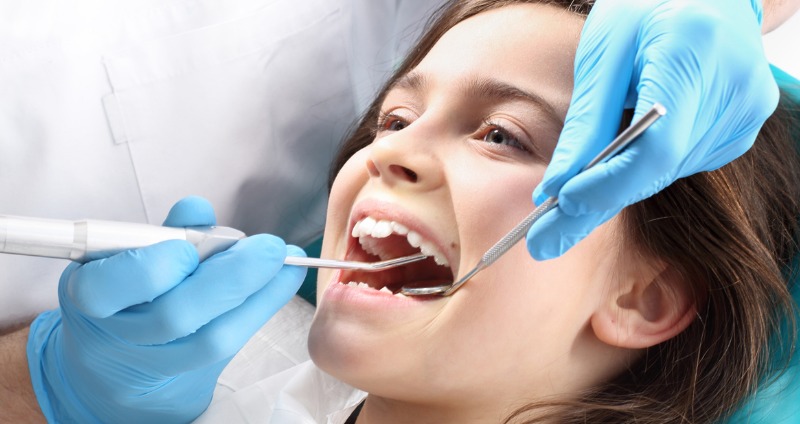
A chemical peel is a cosmetic procedure in which a solution containing acids, such as glycolic acid, salicylic acid, or trichloroacetic acid (TCA), is applied to the skin. The solution works by exfoliating the outermost layers of the skin, promoting cell turnover, and revealing fresher, smoother skin underneath. Chemical peels can range from superficial (mild exfoliation) to deep (penetrating several skin layers), depending on the type of acid used and the intended results.
One of the most common concerns for individuals with darker skin is post-inflammatory hyperpigmentation (PIH). This occurs when the skin responds to inflammation or injury with excess melanin production, leading to dark spots or patches.
While chemical peels are generally safe, the risk of pigmentation exists if:
A deep or aggressive peel is used without proper assessment.
Aftercare instructions are not followed, such as avoiding sun protection.
The skin has a history of sensitivity or pigmentation disorders.
However, with the right peel type, concentration, and post-care, chemical peels can be performed safely on dark skin with minimal risk of pigmentation.
For darker skin tones, dermatologists usually recommend superficial and medium-depth peels. Some options include:
| Peel Type | Acid Used | Effect on Dark Skin | Recovery Time |
|---|---|---|---|
| Superficial Peel | Glycolic acid, Lactic acid | Mild exfoliation, low risk of PIH | 3-5 days |
| Jessner’s Peel | Salicylic acid + Lactic + Resorcinol | Treats acne, uneven tone, moderate risk | 5-7 days |
| Medium-depth Peel | TCA (10-20%) | Reduces fine lines, pigmentation, moderate risk | 7-10 days |
| Deep Peel | TCA (>25%) or Phenol | Significant anti-aging, high risk of PIH | 2-3 weeks |
Tip: Superficial and mild medium-depth peels are generally safest for Fitzpatrick skin types IV-VI. Deep peels are usually avoided due to the higher risk of post-peel pigmentation.
To ensure the best results and reduce the likelihood of pigmentation issues, follow these precautions:
Consult a dermatologist experienced in treating dark skin.
Choose a gentle peel suitable for your skin type.
Pre-treatment skincare: Use mild exfoliants or skin-brightening creams as advised by your dermatologist.
Post-peel care: Avoid direct sun exposure and use broad-spectrum sunscreen (SPF 30 or higher).
Avoid picking or scratching the treated skin.
Moisturize adequately to support healing.
Consistency in these steps significantly lowers the chances of developing post-inflammatory pigmentation.
Here’s what some clients in Islamabad have reported after undergoing chemical peels:
"I was worried about getting a chemical peel because of my darker skin tone. My dermatologist recommended a gentle glycolic peel, and my skin improved without any dark spots. Highly satisfied!"
"I had acne scars and uneven pigmentation. After a series of medium-depth TCA peels, my skin looks smoother, but my doctor warned me to avoid sun exposure to prevent dark spots."
"I tried a superficial lactic acid peel, and it was mild but effective. No pigmentation issues occurred, and my complexion looks brighter."
Key Insight: Client experiences show that choosing the right peel and following post-care instructions is critical for dark-skinned individuals.
The number of chemical peel sessions depends on your skin concerns and type of peel:
Superficial peels: Typically 4-6 sessions spaced 2-4 weeks apart.
Medium-depth peels: Usually 2-3 sessions spaced 4-6 weeks apart.
Deep peels: Often require only 1 session but are not usually recommended for darker skin tones due to higher pigmentation risk.
A customized treatment plan is essential, and your dermatologist will assess your skin type, pigmentation risk, and desired results.
If you are concerned about pigmentation, there are other treatments that can improve skin tone and texture without the same risks:
Microdermabrasion: Gentle exfoliation suitable for dark skin.
Laser Treatments: Non-ablative lasers like Nd:YAG can treat pigmentation safely.
Topical Treatments: Hydroquinone, azelaic acid, and vitamin C-based serums can improve dark spots gradually.
Microneedling: Stimulates collagen without aggressive chemical peeling.
Each alternative has pros and cons, and a dermatologist can guide the best approach for your skin type.
| Concern | Recommendation |
|---|---|
| Risk of post-inflammatory hyperpigmentation | Use superficial or mild medium peels; avoid deep peels |
| Best peel types | Glycolic acid, Lactic acid, Jessner’s peel, mild TCA |
| Post-care | Sun protection, hydration, avoid picking the skin |
| Number of sessions | 2-6 sessions depending on peel type and skin concern |
| Suitable alternatives | Microdermabrasion, laser, topical brightening agents, microneedling |
Summary: Chemical peels can be safe and effective for dark skin when tailored correctly. The focus should always be on mild peels, professional guidance, and diligent post-care to prevent unwanted pigmentation.
While chemical peels carry a risk of pigmentation for dark skin, careful selection of peel type, concentration, and post-treatment care can make the procedure safe and highly effective. People with darker skin tones can enjoy the benefits of smoother, brighter, and more even skin by working with a qualified dermatologist and following proper aftercare protocols.
If you are considering Chemical Peels in Islamabad, our clinic offers personalized consultations and treatments tailored to your skin type. Schedule an appointment today to discuss safe and effective options for your skin concerns.
Address : Office Number LG 20 - 21 Interlace Plaza I-8 Markaz Islamabad
Phone : +92 333 5705871
Email : info@glamorousclinic.com.pk
Link : https://www.glamorousclinic.com.pk/