English
 Arabic
 French
 Spanish
 Portuguese
 Deutsch
 Turkish
 Dutch
Dutch
 Italiano
 Russian
 Romaian
 Portuguese (Brazil)
 Greek
Greek

Waste Recycling Services Market: Emerging Trends in Circular Economy
Networking |
2026-04-16 08:32:22
Dental implants have revolutionized dental care, providing a permanent and reliable solution for missing teeth. However, like any dental procedure, complications can occur. One of the most concerning issues is a loose dental implant. Dental implants in Islamabad are becoming increasingly popular, but patients often wonder: can a loose dental implant be fixed, and what are the underlying causes? In this FAQ-style guide, we will answer the most common questions about loose dental implants, their treatment options, and preventive measures.
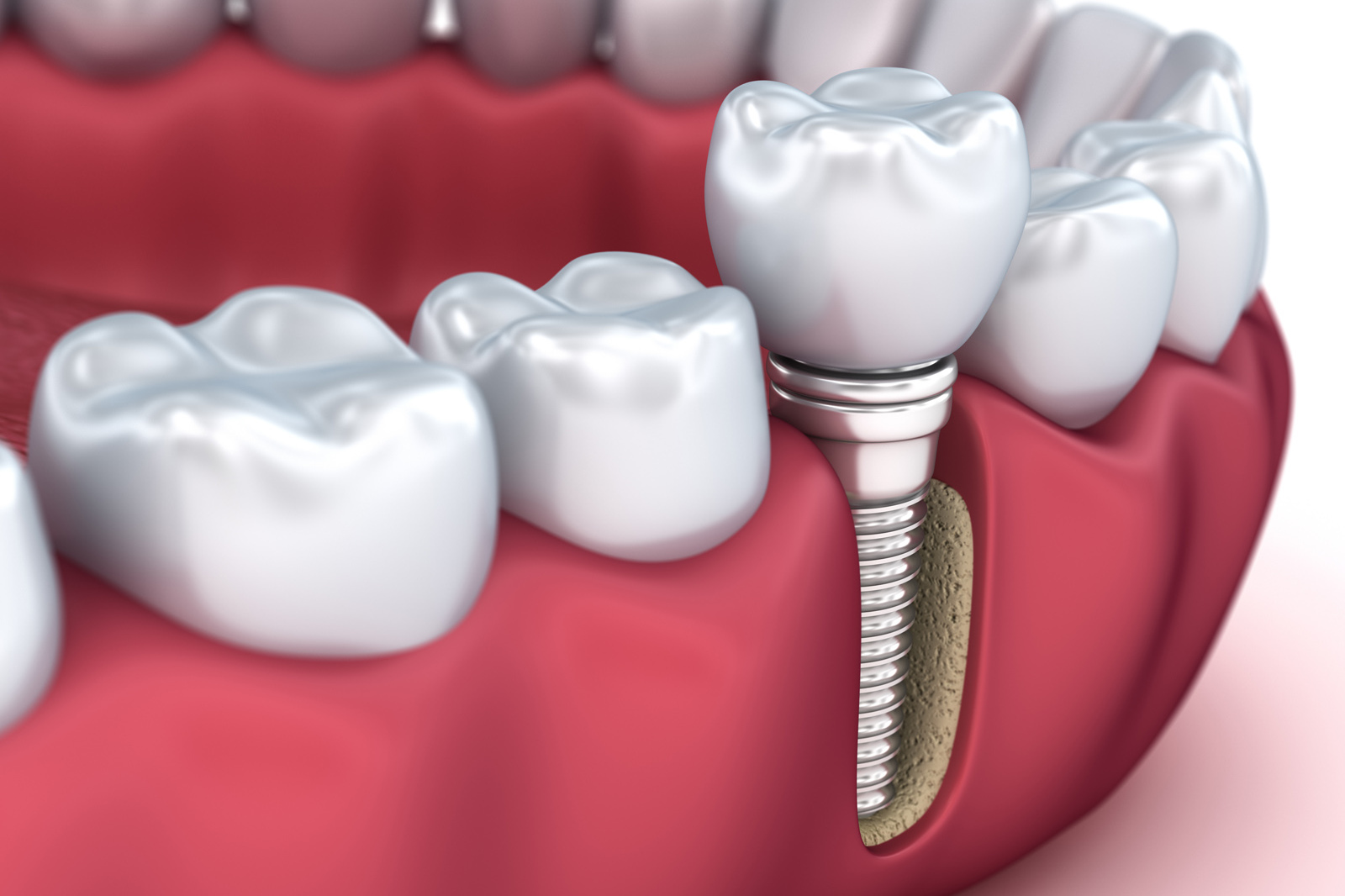
Several factors can lead to a dental implant loosening. Understanding these causes is essential for effective treatment:
Osseointegration failure: The implant must fuse with the jawbone for stability. If this process fails, the implant may not anchor properly.
Infection (Peri-implantitis): Bacterial infection around the implant can damage the bone and tissue, leading to loosening.
Excessive force: Chewing hard foods or grinding teeth can stress the implant.
Poor bone quality or density: Insufficient bone support can compromise the implant’s stability.
Medical conditions: Conditions such as diabetes or osteoporosis may affect bone healing.
Implant overload: Placing too many implants or crowns incorrectly can lead to stress on the jawbone.
Regular dental checkups and proper oral hygiene are critical to prevent loosening.
Yes, in many cases, a loose dental implant can be fixed, but the treatment depends on the severity and underlying cause. Here are some possible approaches:
Minor loosening: If the implant post is stable but the abutment or crown is loose, simply tightening or replacing these components may solve the issue.
Peri-implantitis treatment: Cleaning the infected area, applying antibiotics, and sometimes bone grafting can restore stability.
Implant replacement: In cases where the implant has failed to integrate with the bone, removing the implant and placing a new one may be necessary.
Bone grafting: If bone loss has contributed to the looseness, bone grafting can create a stronger foundation for a new implant.
Prompt action is crucial because leaving a loose implant untreated can result in further bone loss and additional complications.
Detecting a loose implant involves a combination of physical examination and diagnostic tests:
Visual Inspection: Dentists look for swelling, redness, or infection around the implant site.
Mobility Testing: Gentle pressure is applied to the implant to check for movement.
X-rays: Radiographs reveal bone loss or improper integration with the jawbone.
Cone Beam CT (CBCT): For detailed 3D imaging of the implant and surrounding bone structure.
Early detection allows for a higher chance of successful repair or treatment.
| Factor | Details |
|---|---|
| Causes | Infection, bone loss, implant overload, medical conditions |
| Symptoms | Mobility, discomfort, swelling, gum redness |
| Treatment Options | Tightening, infection control, bone graft, implant replacement |
| Success Rate | Varies (60–95% depending on cause and timing) |
| Prevention | Good oral hygiene, regular checkups, avoiding excessive force |
"I noticed my implant felt a bit wobbly after a year. My dentist cleaned the area and replaced the crown, and it’s been fine ever since. Regular follow-ups really make a difference."
"I had an infection around my implant. After a thorough cleaning and antibiotics, my implant stabilized. I’m glad I didn’t wait too long.""My first implant failed due to poor bone density. After bone grafting, the new implant is perfect. The process was longer but worth it."
Patient experiences show that timely intervention and professional care often lead to successful outcomes.
The repair timeline depends on the underlying cause and chosen treatment:
Minor adjustments: Tightening a loose crown or abutment may take a single dental visit.
Infection treatment: Cleaning, antibiotics, and minor bone treatments may take a few weeks.
Bone grafting and implant replacement: If bone loss is significant, healing may take 3–6 months before placing a new implant.
Following your dentist’s aftercare instructions is essential for successful recovery.
Yes, preventive measures can greatly reduce the risk of implant loosening:
Maintain excellent oral hygiene: Brush and floss daily to prevent infection.
Regular dental visits: Professional cleanings and checkups detect early problems.
Avoid harmful habits: Avoid smoking, chewing hard foods, or grinding teeth.
Healthy lifestyle: Adequate nutrition, managing medical conditions, and proper bone health support implant longevity.
Professional guidance: Ensure implants are placed by experienced dentists with proper planning.
Prevention is always better than repair, and taking care of implants is key to long-term success.
Seek professional care immediately if you notice:
Movement or wobbling in your implant
Pain, swelling, or redness around the implant
Difficulty chewing or biting
Pus or signs of infection
Early intervention often prevents the need for implant removal and replacement.
| Situation | Recommended Action | Healing Time | Notes |
|---|---|---|---|
| Loose crown/abutment | Tighten or replace components | 1 visit | Quick and simple fix |
| Minor bone loss | Cleaning + antibiotics | 2–4 weeks | Monitored closely |
| Significant bone loss | Bone graft + possible implant replacement | 3–6 months | Requires careful planning |
| Implant failure | Remove and replace implant | 3–6 months | Success depends on bone and health |
| Infection present | Peri-implantitis treatment | 2–6 weeks | Early detection improves outcome |
A loose dental implant can be a worrying experience, but in most cases, it can be fixed with the right approach. Early detection, professional care, and following preventive measures are essential for long-term success. Whether it involves tightening, treating infections, or replacing the implant, modern dentistry provides multiple solutions to restore your smile. For anyone experiencing implant mobility, professional evaluation is key. With proper care, dental implants in Islamabad can last for many years, providing stability, aesthetics, and confidence.
If you or a loved one is experiencing a loose dental implant, don’t wait until the problem worsens. Our experienced team at [Your Clinic Name] specializes in Dental Implants in Islamabad, offering personalized evaluation and treatment plans.
Address : Office Number LG 20 - 21 Interlace Plaza I-8 Markaz Islamabad
Phone : +92 333 5705871
Email : info@glamorousclinic.com.pk
Link : https://www.glamorousclinic.com.pk/
Restore your smile safely and confidently with expert care.