English
 Arabic
 French
 Spanish
 Portuguese
 Deutsch
 Turkish
 Dutch
Dutch
 Italiano
 Russian
 Romaian
 Portuguese (Brazil)
 Greek
Greek

Tote Bags Wholesale in Lahore | Durable and Stylish Bulk Tote Bags
Party |
2026-02-12 20:13:05
Denmark Proposes Controversial Internet Restrictions Targeting Streaming Services
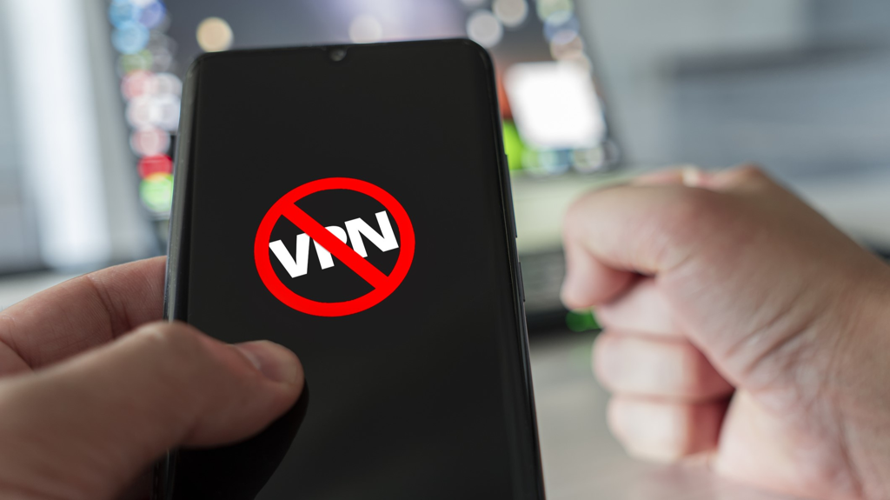
In a move that has sparked significant debate across the digital rights landscape, Denmark's government has introduced legislation that would criminalize the use of virtual private networks (VPNs) for accessing geographically restricted content or circumventing website blocks.
The controversial proposal, scheduled to take effect in mid-2026 if approved, represents part of a broader initiative ostensibly aimed at combating online piracy. Violators would face financial penalties under the proposed framework.
According to research conducted by the Danish Chamber of Commerce, approximately 9% of Danish citizens currently utilize VPN technology to access international streaming libraries that would otherwise be unavailable within the country's borders.
Critics have voiced substantial concerns regarding the bill's expansive terminology. The IT Political Association's chairman has characterized the legislation as potentially "totalitarian," suggesting its implementation could extend beyond merely restricting unauthorized streaming activities to fundamentally undermining legitimate VPN services throughout Denmark.
The criticism has been particularly pointed when comparing Denmark's approach to countries with more restrictive internet policies. Privacy advocates have noted that even nations with established records of digital censorship have not explicitly criminalized VPN usage for bypassing restricted websites.
Despite mounting opposition, Denmark's Ministry of Culture continues to defend the proposal as a necessary measure to protect intellectual property rights and address digital piracy concerns, though many experts remain unconvinced about both its necessity and potential implementation challenges.
Denmark's legislative agenda increasingly prioritizes digital restrictions, drawing scrutiny from privacy advocates.
The nation champions the EU's contested "chat control" proposal designed to scan private communications for illegal material—a measure some warn employs invasive surveillance tactics. Following earlier setbacks, Danish officials advanced a reworked version that gained momentum in EU policy circles.
This push aligns with domestic initiatives like potential bans on social media access for minors under 15, echoing Australia’s approach. Such trends highlight Danish authorities’ growing inclination to impose online limitations under safety and copyright enforcement pretexts.
European copyright enforcement sees intensified focus on VPN providers, with France compelling some services to block unauthorized sports streams and industry bodies urging VPNs to bolster anti-piracy roles.
Denmark’s strategy, however, escalates significantly by threatening individual users rather than service providers with legal consequences.
Amid criticism, Culture Minister Jakob Engel-Schmidt countered claims about outlawing VPNs entirely, asserting:
"I oppose VPN prohibition and would never suggest it. Critics fundamentally misinterpret this proposal."
He framed the goal strictly as combating unlawful streaming activities.
With the bill now in public consultation, digital rights groups remain vigilant.
They seek concrete assurances that legitimate VPN applications—including privacy protection and circumventing censorship—won’t be collateral damage in this crackdown.
Whether the government’s reassurances translate into meaningful safeguards remains uncertain.
In today's digital landscape, many individuals turn to VPN services to unblock porn sites due to various geographical restrictions, ISP monitoring, or censorship in their regions. VPNs provide a secure tunnel that masks users' real IP addresses, allowing them to bypass these limitations while maintaining anonymity during their online activities. When porn is unblocked through a VPN, users gain access to content libraries that might otherwise be restricted in their location, all while enjoying enhanced privacy protection from potential surveillance.
If you want to access region-restricted adult content by using a service to unblock porn sites, SafeShell VPN is a strong solution to consider. Its key benefits include:
'
'
'
To access region-restricted adult content using SafeShell VPN, follow this streamlined process:
This approach guarantees seamless access to geographically blocked platforms while maintaining digital security.