English
 Arabic
 French
 Spanish
 Portuguese
 Deutsch
 Turkish
 Dutch
Dutch
 Italiano
 Russian
 Romaian
 Portuguese (Brazil)
 Greek
Greek

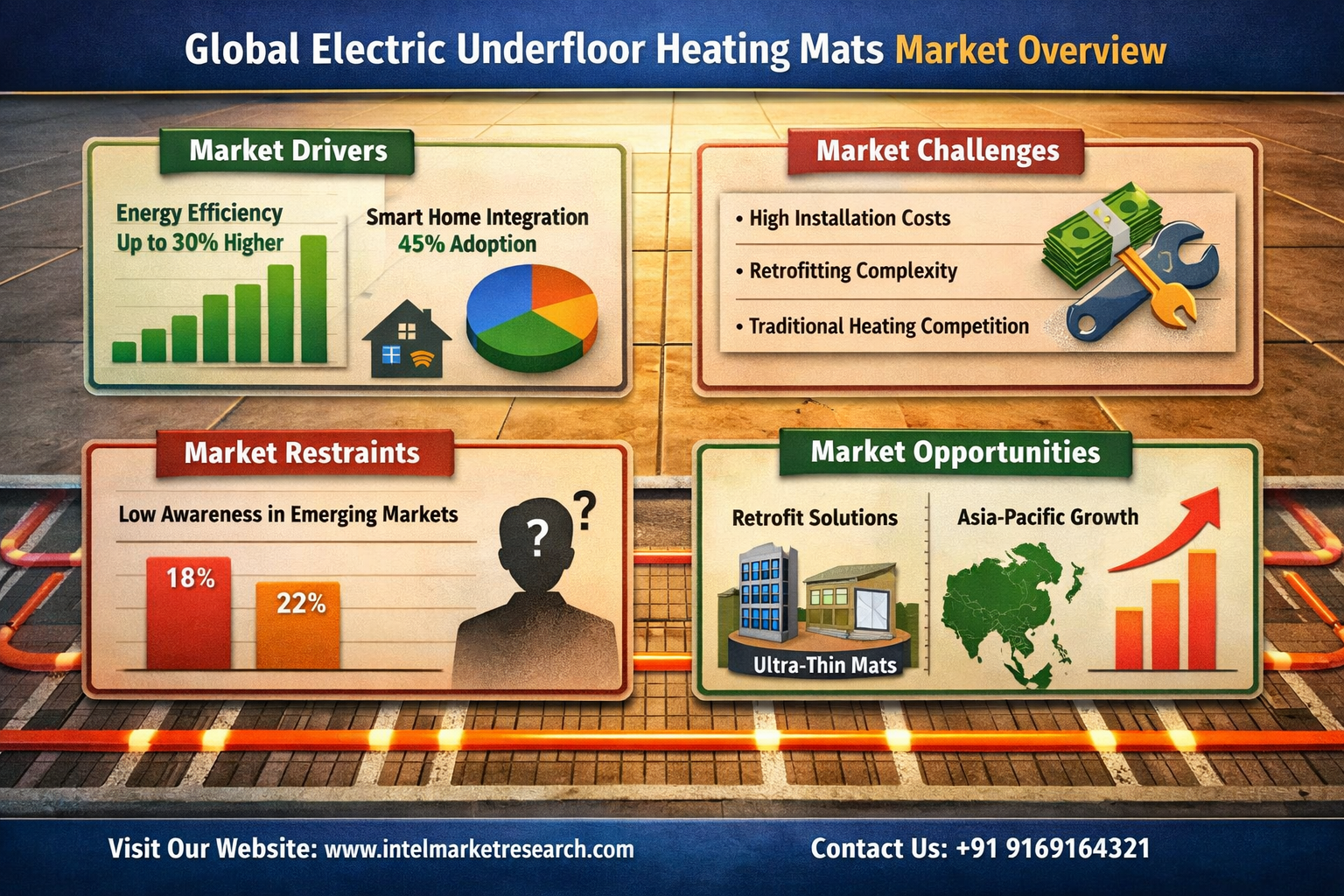
Global Electric Underfloor Heating Mats Market Growing at 5.7% CAGR Through 2032
Other |
2026-04-09 12:24:32
In a world that often emphasizes physical perfection, the presence of stretch marks can sometimes evoke feelings of self-consciousness, shame, or frustration. Stretch marks, medically known as striae, are a natural occurrence that can appear on the skin due to rapid weight gain or loss, pregnancy, puberty, or hormonal changes.
Despite their commonality, societal beauty standards have long stigmatized them, pushing many to seek ways to conceal or alter their appearance. In recent years, however, a unique form of self-expression and empowerment has emerged: stretch mark cover-up tattoos. Beyond mere aesthetics, these tattoos are increasingly recognized as a tool for emotional healing, body positivity, and reclaiming one’s self-image.
The Emotional Impact of Stretch Marks
Stretch marks are more than a cosmetic concern—they are deeply intertwined with personal experiences and emotional narratives. For some, they symbolize life changes, such as pregnancy or growth spurts. For others, they may serve as reminders of body insecurities or periods of struggle. The visibility of stretch marks can affect self-esteem, body confidence, and even mental health, particularly in societies where flawless skin is idealized.
Many individuals report feelings of embarrassment or avoidance behaviors, such as refraining from wearing certain clothing or participating in activities like swimming. These emotional burdens can create a cycle of shame, making it difficult to accept one’s natural body. However, the act of transforming stretch marks into a form of art through tattoos offers an avenue for reclaiming control and redefining self-perception.
The Rise of Stretch Mark Cover-Up Tattoos
Tattoos have long been a medium for storytelling, self-expression, and healing. Traditionally associated with aesthetic or cultural significance, tattooing is now being explored as a therapeutic tool. Stretch mark cover-up tattoos, also known as camouflage tattoos or decorative tattooing, are designed to overlay the stretch marks with intricate designs, patterns, or even photorealistic imagery. The goal is not only to mask the marks but also to celebrate and reinterpret them as part of one’s personal narrative.
The popularity of this trend can be attributed to multiple factors. Social media has played a significant role in normalizing tattoos as a form of self-care and empowerment. Additionally, advancements in tattooing technology and ink pigmentation allow artists to work effectively on areas with varying skin textures, including stretch marks. Tattoo artists now specialize in customizing designs that complement the natural contours of the body, creating seamless art that transforms perceived imperfections into beauty.
Choosing the Right Design
One of the most empowering aspects of stretch mark cover-up tattoos is the creative freedom they offer. Designs can range from subtle and delicate to bold and dramatic, depending on personal taste and the extent of the stretch marks. Popular motifs include floral patterns, geometric shapes, mandalas, waves, and even abstract art. The choice of design is deeply personal and often symbolic, reflecting the individual’s journey, identity, and resilience.
For example, a woman who has embraced her postpartum body might choose a blooming floral design over her abdominal stretch marks, symbolizing growth, rebirth, and self-love. Someone recovering from a period of rapid weight change might select a geometric pattern that emphasizes symmetry and balance, representing the reclamation of control over their body narrative. The process of selecting and designing a tattoo itself can be therapeutic, allowing individuals to articulate their emotions and intentions through visual storytelling.
The Healing Process
Stretch mark cover-up tattoos are not just about aesthetic transformation—they can be a profound tool for emotional healing. The act of getting tattooed can instill a sense of agency and empowerment, particularly for those who have felt helpless or dissatisfied with their bodies. By transforming an area of perceived imperfection into a canvas of self-expression, individuals can shift their perspective from shame to pride, from concealment to celebration.
Psychologists suggest that body art can enhance self-esteem and body image by providing a tangible representation of control and creativity. In the context of stretch marks, tattoos allow individuals to confront insecurities directly rather than hiding them, promoting self-acceptance and resilience. Moreover, the ritualistic aspect of tattooing—the anticipation, the design process, and the healing period—can serve as a form of mindfulness, encouraging participants to remain present and connected to their bodies.
Considerations and Precautions
While stretch mark cover-up tattoos can be empowering, there are important considerations to ensure a positive experience. Not all stretch marks are immediately suitable for tattooing. New or very recent stretch marks may be more sensitive, and the skin in these areas can be prone to irritation. Consulting with a professional tattoo artist who has experience working with scarred or textured skin is essential.
Additionally, individuals should have realistic expectations regarding coverage and outcome. Some stretch marks may still be partially visible depending on their depth, color, and the chosen design. Open communication with the tattoo artist about goals, limitations, and healing processes is crucial for satisfaction. Proper aftercare is also essential to ensure the tattoo heals well and maintains its vibrancy over time.
A Shift in Cultural Perception
The rise of stretch mark cover-up tattoos also reflects a broader cultural shift toward body positivity and self-acceptance. Movements that embrace natural bodies, including visible scars, stretch marks, and other perceived imperfections, have challenged traditional beauty standards. In this context, tattoos function not as a mask to hide flaws but as a celebration of personal history and individuality. They allow people to reclaim their bodies, honor their experiences, and assert their identity on their own terms.
By choosing to adorn stretch marks with meaningful designs, individuals send a powerful message: beauty is not defined by perfection, and our bodies are worthy of appreciation at every stage. These tattoos are not just about concealment—they are about transformation, empowerment, and self-love.
Conclusion
Stretch mark cover-up tattoos exemplify the intersection of art, self-expression, and healing. They provide individuals with an opportunity to reclaim their bodies, reinterpret perceived imperfections, and transform emotional scars into visual stories of resilience. Beyond aesthetics, these tattoos offer a powerful pathway for mental and emotional wellness, fostering self-acceptance and empowerment in a society that often prioritizes unrealistic beauty ideals.
In embracing this form of body art, people are redefining what it means to feel confident and whole. Stretch marks, once a source of insecurity, can become canvases of creativity, strength, and self-love. Through the transformative power of tattoo art, individuals are not just covering stretch marks—they are celebrating their journeys, honoring their bodies, and healing in a deeply personal and meaningful way.