English
 Arabic
 French
 Spanish
 Portuguese
 Deutsch
 Turkish
 Dutch
Dutch
 Italiano
 Russian
 Romaian
 Portuguese (Brazil)
 Greek
Greek

Hematopoietic Agents Market: Regenerative Cell-Stimulating Therapies Innovating Blood Disorder Management
Other |
2025-11-21 07:07:21
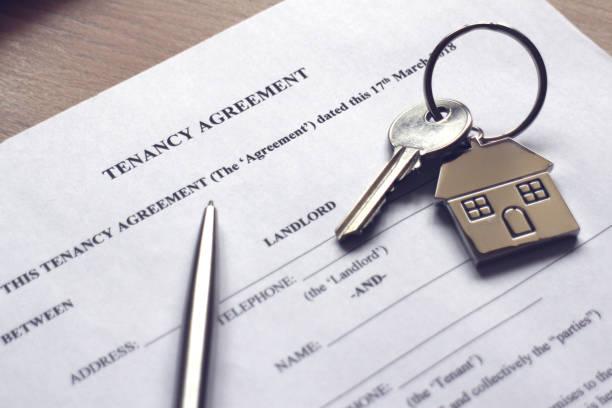
Being a landlord in the UK is no longer just about collecting rent and managing repairs. Regulations have become stricter, tenant safety expectations are higher, and compliance checks are receiving more attention than before. Missing an important property certificate can create unnecessary problems, from financial penalties to legal complications.
Many landlords, especially those managing their first rental property, often struggle to keep track of inspections and documents. Gas checks, electrical reports, energy certificates, and safety assessments can quickly become confusing if there is no proper system in place. This guide explains the key property certificates UK landlords should understand in 2026 and why they continue to matter.
Property certificates are not simply paperwork requirements. They help confirm that a rental property meets important legal and safety standards.
These checks help protect:
Tenants living in the property
Landlords from unnecessary legal risks
Long-term property investments
Health and safety standards
Staying organised can save landlords time, money, and stress in the future.
An Energy Performance Certificate, commonly called an EPC, measures how energy efficient a property is. It gives the property a rating between A and G. Properties with stronger ratings generally use energy more efficiently, while lower ratings may suggest improvements are needed. Landlords usually need an EPC before advertising or renting a property. Important points to remember:
Usually valid for 10 years
Shows energy performance rating
Includes recommendations for improvement
Must be available for prospective tenants
Properties with better energy efficiency often appeal more to tenants, especially as energy costs continue to rise.
For properties with gas appliances, a Gas Safety Certificate remains one of the most important legal responsibilities.
During the inspection, a qualified engineer checks:
Boilers
Gas cookers
Pipework
Flues
Ventilation systems
Once completed, landlords receive a Gas Safety Record, often referred to as a CP12 certificate.
Key details include:
Renewal every 12 months
Inspection by a registered engineer
Copies should be provided to tenants
If the property does not use gas appliances, this requirement may not apply.
Electrical safety is another essential part of managing rental properties.
An EICR checks fixed electrical systems throughout the property, including:
Wiring
Plug sockets
Consumer units
Lighting systems
The inspection identifies issues that may become safety risks if ignored.
Important things landlords should know:
Usually renewed every five years
Helps identify electrical concerns
Repairs may be required after inspection
Many landlords confuse an EICR with an EPC, but they serve completely different purposes. An EPC focuses on energy efficiency. An EICR focuses on electrical safety.
Not every property requires a formal fire risk assessment, but some property types may need one.
This often applies to:
HMOs (Houses in Multiple Occupation)
Shared accommodation
Certain mixed-use buildings
The purpose of the assessment is to identify:
Fire hazards
Escape routes
Alarm placement
General safety measures
Fire safety responsibilities have become an increasingly important part of property management.
Legionella bacteria can develop in water systems and create health concerns if risks are ignored.
Landlords should assess possible issues involving:
Water tanks
Pipe systems
Low-use outlets
Stored water systems
Not every property requires a formal certificate, but keeping records shows responsible management practices.
Some responsibilities are not traditional certificates but still play an important role.
Examples include:
Smoke alarm checks
Carbon monoxide alarm checks
Deposit protection paperwork
Right to Rent checks
HMO licences where required
Keeping documents organised can prevent future issues.
Property compliance becomes easier when landlords keep renewal dates in one place.
A simple guide:
EPC: Every 10 years
Gas Safety Certificate: Every year
EICR: Every 5 years
Legionella review: When necessary
Fire assessments: Depends on property type
Setting reminders can help avoid missed deadlines.
Managing rental properties in 2026 involves more than collecting rent and arranging maintenance visits. Landlords are expected to stay informed, organised, and proactive when it comes to compliance requirements. The process becomes much easier when you understand which certificates apply to your property and keep renewal dates under control. Staying ahead of paperwork not only reduces stress but also helps create safer homes and protects your investment for the future.